
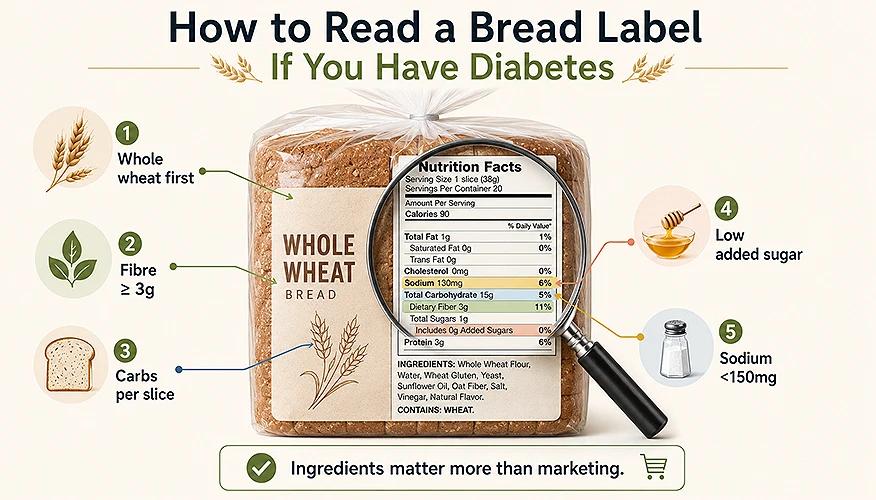
Wheat bread can be suitable for diabetics, but the type matters significantly. Whole wheat bread — made from 100% whole grain flour — is a far better choice than refined wheat bread, which behaves similarly to white bread and causes rapid blood sugar spikes. According to the American Diabetes Association, choosing breads with at least 3 grams of fibre per serving is a reliable marker for options that support better glucose control.
Not all wheat bread is created equal, and for people managing diabetes, the difference between whole wheat and refined wheat is not just nutritional — it's metabolic.
Whole wheat bread retains the bran and germ of the grain, which slows digestion and produces a more gradual rise in blood sugar. Refined wheat bread, despite its healthier-sounding name, strips away much of that fiber, leaving a product that the body processes much like sugar. The Cleveland Clinic notes that reading ingredient labels carefully is essential, as many breads marketed as ‘wheat’ contain mostly refined flour with minimal whole grain content.
This article covers what the research says about wheat bread and blood sugar, how to identify genuinely diabetes-friendly bread, safe serving sizes, and the best bread alternatives for people managing diabetes or prediabetes.
What is wheat bread?
Wheat bread is made primarily from whole wheat flour, which includes all three parts of the wheat grain: the bran (outer layer), germ (nutrient-rich core), and endosperm (starchy middle). This differs significantly from refined white bread, which strips away the fiber-rich bran and nutrient-dense germ, leaving mostly processed starch.
For women living in Malaysia, Kenya, Tanzania, or the Philippines, locally available whole wheat varieties provide a familiar staple that retains more natural fiber and essential minerals than heavily processed alternatives. The key difference lies in what remains after milling: whole wheat bread keeps the complete grain structure, while white bread removes the most beneficial components.
Think of it this way: whole wheat bread is like eating the entire apple, while white bread is like having just the apple's flesh without the fiber-rich peel.
Nutritional value of wheat bread (per 1 slice, ~28 g)
Understanding what's actually in your slice helps you make informed choices about wheat
bread for diabetics. Here's what a typical slice provides:
| Nutrient | Amount per slice (~28 g) | % Daily Value (approx.)* |
|---|---|---|
| Calories | 69–71 kcal | 3–4% |
| Carbohydrates | 11.6–12 g | 4% |
| Dietary Fiber | 1.9–2.0 g | 7% |
| Sugars | 1–1.5 g | — |
| Protein | 2.7–3.6 g | 7% |
| Total Fat | 1.0–1.2 g | 1–2% |
| Iron | 0.9–1.0 mg | 5–6% |
| Magnesium | 21–24 mg | 5–6% |
| Selenium | 7–10 µg | 13–18% |
| Potassium | 69–71 mg | 1–2% |
| Sodium | 130–150 mg | 6–7% |
| Zinc | ~0.4–0.6 mg | 4–5% |
| B Vitamins (thiamin, niacin, folate) | Small amounts | 3–8% |
Each slice provides about 12 g of carbohydrates, with roughly 2 g of fiber. That fiber modestly slows carbohydrate absorption, which may help reduce rapid blood sugar spikes compared to refined white bread.
Is wheat bread good for diabetics?
Yes, but with important considerations. Whole wheat bread can be suitable for diabetics when chosen carefully and eaten in appropriate portions.
The fiber content in whole wheat bread, around 1.9-2 g per slice, slows carbohydrate absorption compared to white bread, helping stabilize blood sugar levels rather than causing rapid spikes. This makes a real difference in how your body processes the 11-12 g of carbs in each slice.
However, experts note that whole wheat bread has a moderate glycemic index of around 74, which means it can still raise blood sugar, just more gradually than white bread. This is especially relevant for women dealing with insulin resistance, which is common in urban diets across Southeast Asia and East Africa.
The key is individual monitoring. Some people with diabetes handle whole wheat bread well when paired with protein or healthy fats, while others may need to limit portions or choose lower-carb alternatives. Your blood sugar response is the best guide.
Health benefits of wheat bread for diabetics
When included thoughtfully in a diabetic diet, whole wheat bread offers several advantages that support overall health management.
Blood sugar stability
The fiber in whole wheat bread acts like a natural brake on carbohydrate absorption. Instead of flooding your bloodstream with glucose all at once, the fiber helps release energy more steadily. This is particularly beneficial for peopleaged 25-45 who are juggling work, family, and health management.
Weight management support
Each slice provides 2.7-3.6 g of protein and nearly 2 g of fiber, both of which may promote satiety. This helps you feel satisfied longer, reducing the urge to snack on higher-sugar foods throughout the day, crucial for diabetes prevention and management.
Metabolic support
The B vitamins, magnesium, and selenium in whole wheat bread support healthy metabolism. Magnesium, in particular, plays a role in insulin sensitivity, which can be especially beneficial for women with diabetes or prediabetes.
Heart health benefits
Population studies show that whole grains are linked to lower diabetes risk and better cardiovascular health. For women in regions where grains form the dietary foundation, choosing whole wheat over refined options supports long-term wellness.
Types of wheat bread and diabetic safety
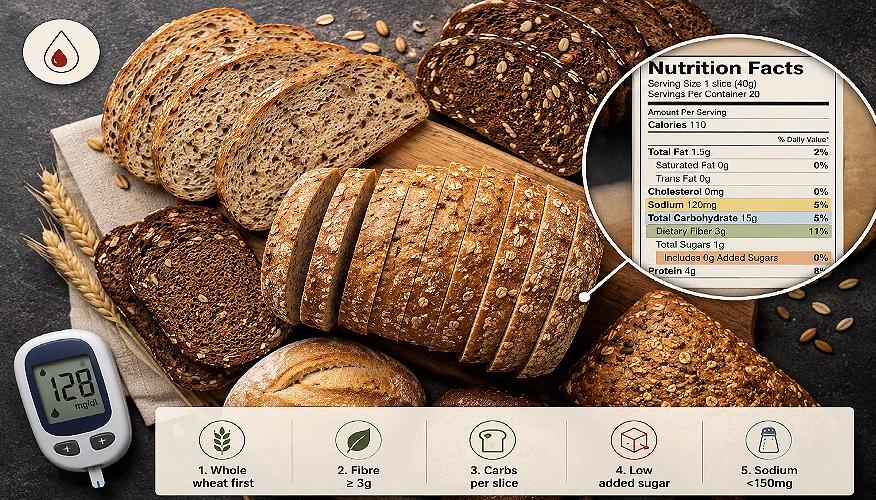
Not all wheat breads are created equal. Understanding the differences helps you make the best choice for blood sugar management.
- 100% whole wheat bread is your safest bet. Look for labels that list "100% whole wheat flour" as the first ingredient and that contain at least 2 g of fiber per slice. This type has the highest fiber content and lowest processed carbohydrate load.
- Commercial whole wheat bread can be suitable if it contains no added sugars and maintains a good fiber content. However, some commercial varieties blend whole wheat with refined flour, thereby reducing the beneficial fiber content. Always check the nutrition label, aim for at least 2 g of fiber per slice.
- Toasted whole wheat bread has nutrition similar to that of fresh bread, though toasting can make the carbohydrates slightly more concentrated (around 12.9 g per slice). It's still suitable in moderation and may help with portion control since toasted bread tends to be more filling.
Avoid wheat bread blends with refined flour, added sugars, or honey, which are common in local markets. These versions can cause blood sugar spikes similar to white bread.
How much whole wheat bread can a diabetic eat?
Portion control is crucial when managing diabetes, and whole wheat bread is no exception. Most diabetes experts recommend limiting intake to 1-2 slices daily, which provides 20-24 g of carbohydrates.
This fits within the general guideline of 30-50 g of carbs per meal for most people with diabetes. For women in semi-urban areas with moderate activity levels, 2 slices spread across meals can support energy needs without causing problematic blood sugar spikes.
Your individual needs may vary based on:
- Physical activity level
- Current blood sugar control
- Other medications
- Overall carbohydrate tolerance
Women who are more active or have higher caloric needs might handle up to 3 slices daily, while those with stricter blood sugar goals may need to limit to 1 slice per meal. The key is to monitor your blood sugar response and adjust accordingly.
Best ways for diabetics to eat wheat bread
How you eat wheat bread matters as much as how much you eat. Smart pairing and timing can help minimize the impact on blood sugar while maximizing nutritional benefits.
- Protein pairing is your best strategy. Combine 1 slice with eggs, nuts, or lentils, foods common in Southeast Asian and East African cuisine. The protein helps slow carbohydrate absorption and keeps you satisfied longer.
- Healthy fat additions like avocado, nut butter, or olive oil can further blunt the glycemic impact. Try an open-faced sandwich topped with vegetables and a protein source instead of two slices of bread.
- Timing matters too. Eating wheat bread after physical activity, such as a morning walk, can help your muscles use glucose more effectively. This aligns well with daily routines in urban and semi-urban areas where walking is often part of the commute.
- Preparation tips include toasting the bread lightly to reduce its density and potentially slow digestion, or using it as a base for nutrient-dense toppings rather than the main component of your meal.
Wheat bread vs. other carbs for diabetes
Understanding how wheat bread compares to other carbohydrate sources helps you make informed choices for your diabetic meal plan.
| Food (per serving) | Carbohydrates (g) | Fiber (g) | Diabetes Consideration |
|---|---|---|---|
| Whole wheat bread (1 slice, ~28 g) | 11–12 g | 1.9–2.0 g | Moderate carbs with some fiber; better than white bread for steadier glucose response. |
| White bread (1 slice, ~25 g) | 13–15 g | 0.5–0.8 g | Low fiber; more likely to cause a quicker rise in blood sugar. |
| Brown rice (½ cup cooked) | 22–23 g | 1.6–1.8 g | Higher carbohydrate load per serving with modest fiber. |
| Oats (½ cup cooked) | 13–14 g | ~2 g | Contains beta-glucan fiber, which may help improve post-meal blood glucose control. |
Whole wheat bread clearly outperforms white bread and other refined carbohydrates, offering better fiber content and a more stable blood sugar response. While oats provide superior fiber, wheat bread offers convenience and versatility that fit busy lifestyles.
For women in regions where traditional flatbreads like chapati are common, whole wheat bread provides similar benefits with added convenience for quick meals or snacks.
Possible risks of wheat bread for diabetics
While whole wheat bread can be part of a healthy diabetic diet, there are some potential concerns to consider.
Blood sugar elevation
Even whole wheat bread contains 11-12 g of carbohydrates per slice, which can raise blood sugar if you eat too much or pair it with other high-glycemic foods. Women with poorly controlled diabetes may experience spikes, especially with commercial varieties that contain added sugars or have less than 1.5 g of fiber per slice.
Sodium content
Each slice contains 130-150 mg of sodium, which may be concerning for those with hypertension, a common condition among women with diabetes. If you're watching your sodium intake, this needs to factor into your daily calculations.
Gluten sensitivity
Some people with diabetes also have gluten sensitivity or celiac disease, which can cause inflammation and digestive issues. If you experience bloating, fatigue, or other symptoms after eating wheat bread, consider gluten-free alternatives.
Hidden ingredients
Commercial wheat breads sometimes contain high fructose corn syrup, preservatives, or other additives that can affect blood sugar control. Always read labels carefully, especially when buying from local markets where ingredient lists may not be detailed.
Tips for including wheat bread in a diabetic diet
Smart strategies can help you enjoy wheat bread while maintaining good blood sugar control and supporting your overall health goals.
- Choose quality over quantity. Look for 100% whole wheat bread with at least 2 g of fiber per slice. Check local atta-based brands, which often provide better nutrition than imported processed options.
- Practice portion awareness. Limit yourself to 1 slice per meal, and make it count by topping with nutrient-dense foods like peanut butter, vegetables, or lean proteins that are familiar in your local cuisine.
- Monitor your response. Check your blood sugar 1-2 hours after eating wheat bread to understand how your body responds. If you notice consistent spikes, consider swapping with lower-carb alternatives like ragi roti or reducing portions.
- Store properly. In humid climates common in Southeast Asia and East Africa, store bread in airtight containers to preserve nutrients and prevent mold, which can be particularly problematic for people with compromised immune systems.
- Align with your lifestyle. Combine bread consumption with your daily walks or other physical activity, making it fit into your urban or semi-urban routine rather than against it.
Conclusion
So, is wheat bread good for diabetics? The answer is a qualified yes. Whole wheat bread can be a practical, fiber-rich carbohydrate option for women managing diabetes, provided it's limited to 1-2 slices daily and balanced with proteins and vegetables. The key lies in choosing 100% whole wheat varieties, monitoring your individual blood sugar response, and incorporating them thoughtfully into meals rather than making them the centerpiece.
For busy individuals, whole wheat bread offers convenience without completely derailing blood sugar management. By following expert recommendations, choosing quality products, controlling portions, and pairing with nutrient-dense foods, you can enjoy this familiar staple while supporting your long-term health goals.
Remember, sustainable diabetes management isn't about perfection; it's about making informed choices that fit your lifestyle and support steady blood sugar control over time.
Meet our expert
.webp&w=1920&q=75)
Meet our expert
Dr. Kulyk Alexander Petrovich is a Ukraine-based gynecologist, with extensive experience in women's health. In 1995, he graduated from the Kyiv Medical University, and specialized in gynecology. He then went on to work as a gynecologist in the Institute of Pediatric, Obstetrics and Gynecology in Kyiv, where he worked until the year 2000.



How was the experience with article?
We'd love to know!