
Key takeaways
- Power naps sharpen focus and spark creativity.
- Short naps (10-30 minutes) provide optimal energy boosts.
- Timing and environment are crucial for effective naps.
- Regular naps can enhance mood and prevent burnout.
- Over-napping or health issues may require medical advice.
Power naps of just 10 to 30 minutes can significantly boost focus, creativity, mood, and mental clarity — without leaving you groggy. Unlike long sleep, a well-timed power nap recharges the brain, reduces burnout, and improves afternoon productivity. The right timing, environment, and nap duration are key to getting the full benefits of power naps without disrupting your night-time sleep.
You know that feeling when you're staring at your laptop screen at 3 PM, reading the same sentence three times, but nothing's sinking in? Or when you're trying to solve a problem at work, but your brain feels like it's wrapped in cotton? Most of us hit that afternoon wall where focus disappears, and creativity feels impossible.
Here's where power naps come in as your secret weapon for mental clarity and renewed energy.
What Is A Power Nap?
A power nap is a short, intentional sleep break during the day, typically lasting just 10–30 minutes. Think of it as hitting the refresh button on your brain without fully shutting down your system.
So, what makes power naps different from your weekend afternoon snoozes? It comes down to timing and duration. While long sleep cycles last 60–90 minutes and take you into deeper stages of sleep, power naps keep you in the lighter phases. As a result, you wake up feeling alert and energized rather than groggy or disoriented. Your brain naturally moves through different sleep cycles, and when you nap for just 10–30 minutes, you wake up during the lighter stages. This provides immediate cognitive benefits without disrupting your nighttime sleep.
The magic happens because short naps help you avoid "sleep inertia," which is that heavy, sluggish feeling you get when you wake up from a deep sleep. Instead of fighting through mental fog for the next hour, you bounce back quickly and feel genuinely refreshed.
The Science Behind Power Naps
Your brain doesn't just "turn off" during a power nap; it's actually working hard to reset and recharge. Here's what's happening behind the scenes:
- Your Brain Gets A Mini Reset: During those 10–30 minutes, neural circuits responsible for attention, memory, and alertness get refreshed. It's like clearing your browser cache, and everything runs smoother afterward.
- Alertness, Memory And Creativity Get A Boost: Research shows that even brief sleep periods enhance learning and help your brain process information more effectively. That "aha!" moment you've been waiting for might just come after a quick nap.
- Stress Hormones Take A Break: Power naps help lower cortisol levels (your body's primary stress hormone). When cortisol drops, you feel calmer, more resilient, and better equipped to handle whatever the rest of your day throws at you.
These changes happen consistently, making power naps a reliable tool for improving how your brain functions throughout the day.
Benefits Of Taking A Power Nap

The benefits of incorporating power naps into your routine extend far beyond just feeling less tired. Let's break down how these short sleep breaks can transform your daily performance and well-being.
1. Enhances Focus And Cognitive Performance
- If you've ever noticed your attention wandering during afternoon meetings or struggling to concentrate on detailed tasks, you're experiencing the natural dip in cognitive performance that happens to most people. Power naps consistently improve attention span, speed up reaction times, and boost performance on mental tasks.
- Studies involving sleep-deprived individuals and shift workers show measurable increases in productivity and accuracy following short naps.
- For busy women managing work deadlines, family responsibilities, and personal goals, this cognitive boost can make the difference between feeling overwhelmed and feeling in control.
2. Boosts Creativity And Problem-solving Ability
- Your brain doesn't stop working when you nap; in fact, it actually becomes better at connecting ideas and finding creative solutions.
- During sleep, your mind processes and integrates complex information, leading to improved problem-solving techniques and enhanced creativity.
- While longer naps might offer even more pronounced creative benefits, short power naps still provide measurable improvements in your ability to think outside the box and approach challenges from new angles. That project you've been stuck on might suddenly have a clear path forward after a brief rest.
3. Improves Mood And Emotional Stability
- Even a 20-minute nap can work wonders for your emotional well-being. Power naps help stabilize mood, reduce irritability, and improve your ability to manage stress and frustration.
- This emotional stability becomes especially valuable when you're dealing with demanding schedules or difficult situations.
- Regular napping can increase your overall resilience, making you better equipped to handle daily stressors with grace and patience.
4. Reduces Fatigue And Prevents Burnout
- Power naps are incredibly effective at relieving tiredness and reducing the risk of burnout, particularly for people balancing multiple responsibilities or recovering from poor nighttime sleep.
- Instead of pushing through exhaustion with another cup of coffee, a strategic nap can restore your energy levels naturally.
- This approach to burnout prevention is especially important for women who often prioritize everyone else's needs above their own rest and recovery.
Best Time And Duration For Power Naps
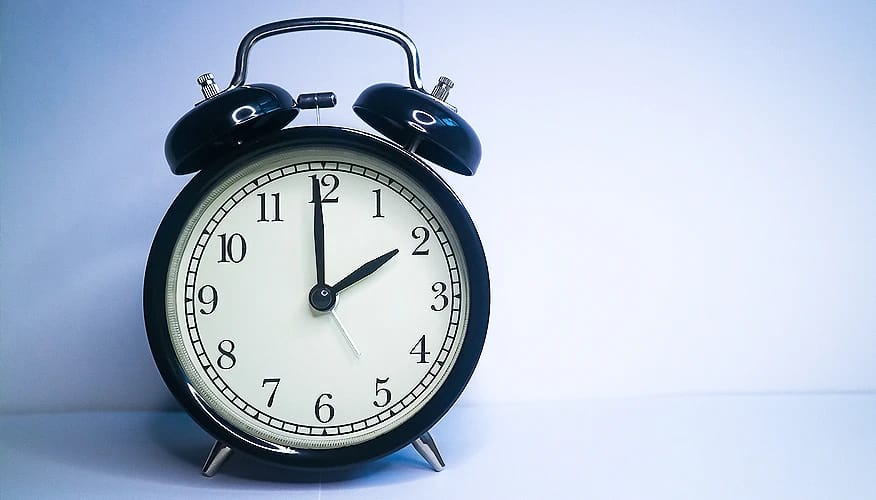
Timing is everything when it comes to maximizing the benefits of your power nap. Getting this right can mean the difference between feeling refreshed and feeling more tired than before.
The sweet spot is between 1 PM and 3 PM: This window aligns perfectly with your body's natural energy dip that occurs after lunch. Napping too late in the afternoon can interfere with your nighttime sleep, so stick to this earlier timeframe.
Duration Matters For Different Benefits:
- 10–20 minutes: This is your best power nap duration for a quick energy boost with minimal risk of grogginess. Perfect for busy schedules.
- 30 minutes: Offers deeper relaxation but might leave some people feeling briefly groggy upon waking.
- 60–90 minutes: Allows for a complete sleep cycle and can enhance memory and creativity, but requires more time and careful timing to avoid sleep inertia.
Tips For Waking Up Refreshed:
- Always set an alarm to prevent oversleeping
- Choose a cool, quiet, and dark environment to fall asleep quickly
- Give yourself a few minutes to fully wake up before jumping into demanding tasks
Remember, the best short nap time is whatever works consistently with your schedule and leaves you feeling energized, not sluggish.
How To Make The Most Of Your Power Nap
Creating the right conditions for your power nap can dramatically improve its effectiveness. Here's how to set yourself up for success.
1. Creating A Calm Environment
Your environment plays a huge role in how quickly you fall asleep and how refreshed you feel afterward. Find a quiet, dimly lit space where you won't be disturbed.
- If your office or home isn't naturally quiet, consider using earplugs or a white noise app.
- Keep the room cool, as a slightly lower temperature helps your body fall asleep faster. If you can't control the temperature, at least ensure good air circulation.
- An eye mask can be incredibly helpful if you can't completely darken your space.
2. Avoiding Caffeine Right Before Napping
- This might seem obvious, but it's worth emphasizing: skip the coffee or tea for at least an hour before your planned nap time.
- Caffeine is a stimulant that can make it much harder to fall asleep quickly, and it can also affect the quality of your brief rest.
- If you're someone who relies on afternoon caffeine, try replacing that habit with a power nap instead. You might find that the natural energy boost is more sustainable and doesn't lead to the crash that often follows caffeine consumption.
3. Using Meditation Or Breathing To Fall Asleep Quickly
- When you only have 10–30 minutes for a nap, every minute counts. Simple breathing exercises or brief mindfulness meditation can help you relax, clear your mind, and fall asleep faster.
- Additionally, try the 4-7-8 breathing technique. Inhale for 4 counts, hold for 7, exhale for 8.
- Repeat this a few times, and you'll likely find yourself drifting off much more quickly than if you just lie there thinking about your to-do list.
When Power Naps Might Not Help
While power naps can be incredibly beneficial, they're not always the right solution. Understanding when napping might not be helpful can save you time and point you toward more appropriate solutions.
Over-napping or poor timing can backfire: If you nap too long or too close to bedtime, you might find it harder to fall asleep at night or stay asleep through the night. This creates a cycle where you're tired the next day and tempted to nap again.
Underlying issues need different solutions: If your fatigue stems from consistently poor nighttime sleep or health issues like sleep apnea, anemia, or thyroid problems, power naps will only provide temporary relief. They might even mask symptoms that need proper medical attention.
When to seek professional help: If you feel constantly tired despite adequate sleep, or if power naps don't relieve daytime fatigue, it's time to consult a healthcare provider. Persistent exhaustion can signal medical conditions that require professional evaluation and treatment.
Remember, power naps are meant to supplement good sleep habits and overall health, not replace them.
Conclusion
Power naps aren't just a luxury for people with flexible schedules; they're a scientifically backed brain boost that can fit into almost anyone's day. When you time them correctly and create the right conditions, these brief rest periods can naturally improve your focus, energy, and creativity.
For busy women managing careers, families, and personal well-being, power naps offer a practical way to recharge without guilt or major schedule disruptions. The key is finding a balance and timing that works for your lifestyle, allowing you to harness the cognitive and emotional benefits while maintaining healthy nighttime sleep patterns.
How was the experience with the article?
We'd love to know