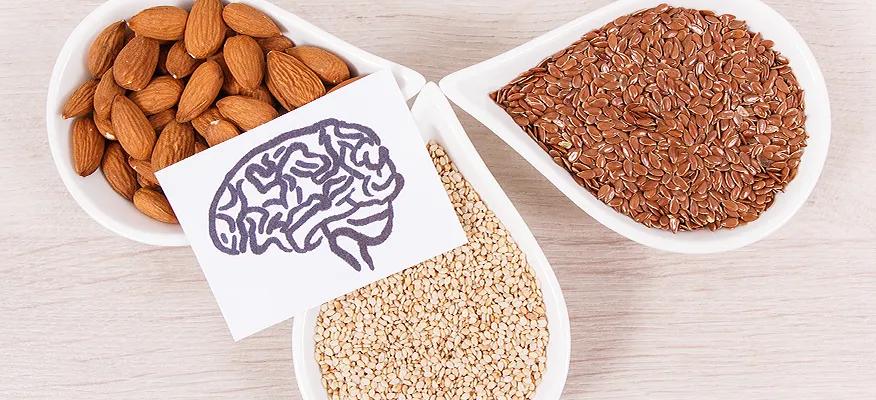
Recovering from a brain injury is a road filled with challenges and discoveries. It’s not just about the physical or cognitive therapies but also about nurturing the brain in ways that go beyond conventional treatment.
Nutrition, in this context, is not just about eating well; it's about strategically fueling the body with what it needs to heal from the inside out.
In this blog, you’ll learn about the remarkable benefits of brain healing foods like flaxseeds, packed with omega-3 fatty acids essential for brain repair; green tea, brimming with antioxidants for brain protection; and the diverse group of nuts and seeds, rich in nutrients that foster neuroplasticity.
We’ll also explore the advantages of olive oil, known for its brain-boosting healthy fats, and the sweet surprise of dark chocolate, which aside from being a treat, holds brain health benefits.
But this blog is more than just a list of brain healing foods. It’s a guide to integrating these nutritional powerhouses into your daily life, to get a healthy brain and happy life and making the recovery journey not just manageable but also enjoyable.
Join us as we unravel the science behind nutrition and brain recovery, offering you insights.
Flaxseeds
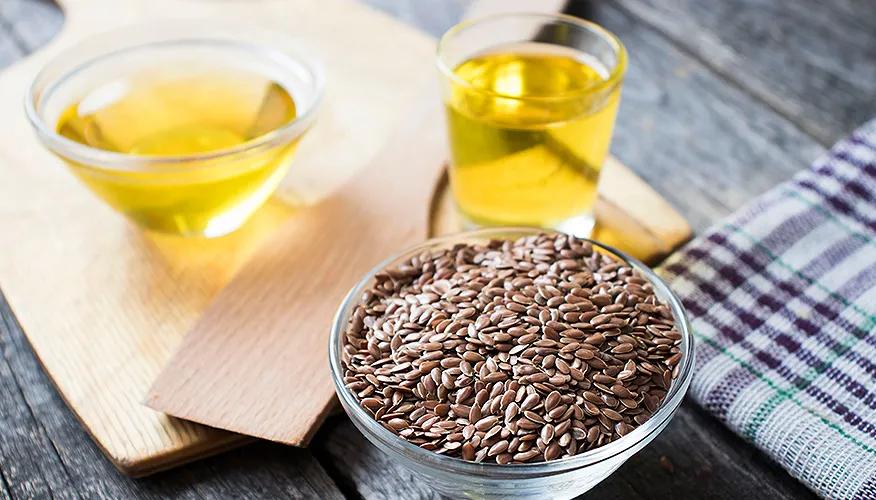
Flaxseeds are a nutritional treasure, especially beneficial for those in the midst of brain injury recovery.
Here's a closer look at their advantages and how to effectively incorporate them into a diet:
- Rich in omega-3 fatty acids (ALA): Flaxseeds are exceptionally high in alpha-linolenic acid (ALA), a type of omega-3 fatty acid. Healthy fats for brain development like Omega-3s are crucial for brain health, playing a significant role in the function and repair of brain cells. They are essential for maintaining the integrity of brain cell membranes, which is vital for efficient cell-to-cell communication.
- Reducing inflammation and supporting cognitive recovery: The ALA in flaxseeds has potent anti-inflammatory properties, which can be particularly beneficial in the context of brain injury recovery. Inflammation is a common response to injury and can contribute to secondary damage in the brain. By reducing this inflammation, ALA can help mitigate further damage and support the healing and recovery of cognitive functions.
- Incorporating flax seeds into your diet: Flaxseeds are versatile and can be easily added to a variety of foods. One effective way to consume them is by grinding them and adding them to smoothies, which makes for a nutrient-rich and easy-to-consume meal. They can also be sprinkled over oatmeal or yogurt, or even included in baking recipes for an extra nutritional boost. Ground flaxseeds are preferred as they are easier to digest and ensure that the body can absorb all the nutrients.
Green Tea
Green tea is a remarkable brain healing food that offers numerous benefits, especially for those recovering from brain injuries. Its unique components make it a valuable addition to a brain-healthy diet.
Let's explore some of its key attributes:
- Presence of L-Theanine: One of the most notable components of green tea is L-theanine, an amino acid that is known for its calming effects. L-theanine has the ability to cross the blood-brain barrier, which allows it to directly impact brain function. It's renowned not just for promoting relaxation without drowsiness but also for enhancing focus and concentration, making it a beneficial supplement for cognitive health.
- Promoting Brain Recovery: L-theanine plays a significant role in brain recovery, primarily through its stress-reducing properties. By promoting a state of calm and reducing anxiety, it can create a more conducive environment for healing. Moreover, L-theanine is known to influence brain wave activity, particularly by increasing alpha-wave activity.
- Antioxidant Properties: Green tea is rich in antioxidants, specifically catechins like epigallocatechin gallate (EGCG). These antioxidants play a crucial role in protecting the brain from oxidative stress, which is an imbalance between free radicals and antioxidants in the body. Oxidative stress can contribute to brain cell damage and is implicated in many neurodegenerative diseases.

Nuts and Seeds
Nuts and seeds are nutritional powerhouses, and best food for brain recovery, offering a wide array of benefits for brain health, particularly in the context of recovery from brain injuries.
Here’s a closer look at their diverse nutrient profile and how they can be enjoyed in your daily diet:
- Diverse Nutrient Profile for Brain Repair: Nuts and seeds are packed with healthy fats, vitamins, and minerals that are crucial for brain repair and overall brain health. They contain a balance of monounsaturated and polyunsaturated fats, including omega-3 fatty acids, which are essential for maintaining the structure of brain cells and facilitating communication between them. These small but mighty foods are also rich in antioxidants and essential minerals, supporting overall brain function and health.
- Specific Benefits of Different Types:
- Walnuts: Known for their high omega-3 fatty acid content, particularly alpha-linolenic acid (ALA), walnuts are excellent for brain health. They also boast a significant amount of antioxidants, which help combat oxidative stress and inflammation in the brain, aiding in the recovery process.
- Pumpkin Seeds: These seeds are a great source of zinc, a mineral that plays a vital role in memory and cognitive skills. Adequate levels of zinc are crucial for neuroplasticity, the brain's ability to adapt and reorganize itself, especially important after a brain injury.
- Sunflower Seeds: Rich in Vitamin E, an antioxidant, sunflower seeds help protect brain cells from oxidative stress and damage. Vitamin E is essential for maintaining cognitive function and can be particularly beneficial in the context of brain injury recovery.
There are numerous enjoyable and easy ways to include nuts and seeds in your daily meals. They are healthy snacks for brain, either on their own or mixed into a trail mix. You can also sprinkle them over salads, yogurt, or oatmeal for added texture and nutrients. Nut butters, like almond or peanut butter, are another delicious and versatile way to enjoy the benefits of nuts.
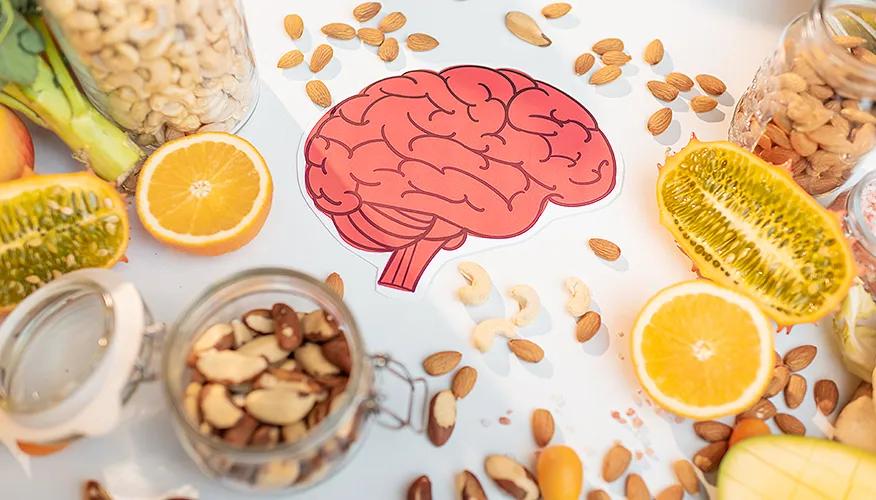
Olive Oil
Olive oil, a cornerstone of the Mediterranean diet, is celebrated for its numerous health benefits, particularly for the brain. Its impact on brain health and recovery can be attributed to its rich composition and antioxidant properties.
Here’s how brain-healing food, olive oil can play a role in brain health and recovery:
- Rich in Monounsaturated Fats, Especially Oleic Acid: Olive oil is abundant in monounsaturated fats, with oleic acid being the most prominent. Monounsaturated fats are known for their positive effects on overall health, particularly in supporting brain function and structure. These fats are essential for maintaining the fluidity of brain cell membranes, which is crucial for effective cell signaling and brain function.
- Oleic Acid for Reducing Inflammation and Improving Blood Flow: The oleic acid in olive oil is particularly beneficial for reducing inflammation, a common issue in the brain post-injury. By mitigating inflammatory responses, it aids in the recovery process. Additionally, oleic acid helps in improving blood flow to the brain. Enhanced blood flow ensures that more oxygen and nutrients reach the brain, facilitating healing and cognitive functions.
- Antioxidant Properties and Protective Effects on Brain Cells: Olive oil is also rich in antioxidants, including polyphenols and vitamin E. These compounds help protect the brain from oxidative stress, which can lead to cellular damage. Oxidative stress is a factor in many neurological conditions and brain aging, so the antioxidants in olive oil play a crucial role in safeguarding brain cells and supporting overall brain health.
Incorporating olive oil into your diet can be simple and delicious. It’s versatile and can be used in salad dressings, for sautéing vegetables, drizzled over cooked dishes, or even as a dip for bread.

Dark Chocolate
Dark chocolate is not just a delightful treat, but also a good brain food, especially when recovering from a brain injury. Its benefits largely stem from its cocoa content, which is rich in flavanols.
Here's a closer look at how dark chocolate can support brain health and recovery:
- Rich in Flavanols with Neuroprotective Properties: The cocoa in dark chocolate is loaded with flavanols, compounds known for their neuroprotective and cognitive-enhancing effects. These flavonoids have been shown to have a positive impact on brain function and health, making dark chocolate more than just a tasty indulgence.
- Benefits of Flavanols: Flavanols in cocoa can improve blood flow to the brain, which is crucial for delivering essential nutrients and oxygen for healing and function. They also have anti-inflammatory properties, helping to reduce the inflammation often associated with brain injuries. Furthermore, flavanols have been found to promote the growth and development of new brain cells, a process known as neurogenesis, which is particularly beneficial during the recovery phase of a brain injury.
- Choosing the Right Dark Chocolate: For maximum brain health benefits, it's important to choose dark chocolate with a high cocoa content - ideally at least 70%. The higher the cocoa content, the more flavanols the chocolate contains, and the greater the potential brain health benefits. Dark chocolate with 70% or more cocoa offers a good balance between flavor and health benefits.
- Moderation and Selection: While dark chocolate is beneficial, it should be consumed in moderation. Remember that it also contains calories and fat, so too much can contribute to unwanted weight gain. Additionally, it's advisable to avoid milk chocolate for brain health purposes, as it typically contains a lower cocoa content and higher amounts of added sugar, which can negate the positive effects of the cocoa flavanols.
Incorporating a small amount of high-cocoa dark chocolate into your diet can be a pleasurable way to potentially enhance brain health, especially when combined with other brain-healthy lifestyle choices. Just a few squares a day can be a delightful, guilt-free way to support brain recovery and overall well-being.
Conclusion
As we conclude our exploration of brain healing foods, it's evident that what we eat plays an instrumental role in supporting brain recovery and overall health. Omega-3s in flaxseeds and the antioxidants in green tea significantly improve brain function and clarity. Nutrients in nuts and seeds, like omega-3s in walnuts and zinc in pumpkin seeds, contribute uniquely to brain repair.
Olive oil, with its healthy fats and antioxidants, and dark chocolate, rich in flavanols, support brain health by reducing inflammation and improving blood flow. However, the benefits of brain healthy foods are maximized when these foods are integrated into a balanced diet and comprehensive recovery plan, which includes medical treatments and therapies. Making mindful dietary choices is a key part of our overall strategy for health and rehabilitation.
Meet our expert

Meet our expert
Reshma Kulkarni-Pathare is a senior Indian media professional since 1999. She has written for over 45 national and international publications, including The Times of India, Femina, and BBC Good Homes.

How was the experience with article?
We'd love to know!