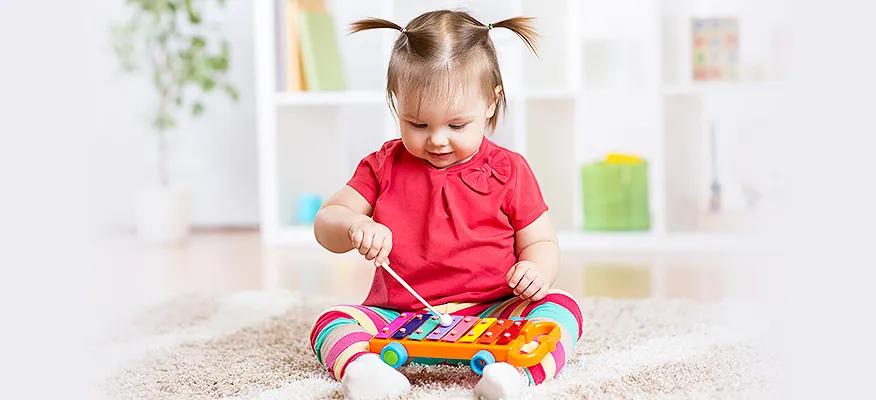
The first few years of a child’s life are crucial for their development, with their brains growing at an astonishing rate.
Sensory play for babies which involves activities that stimulate a child's senses, plays a vital role in this developmental phase.
Engaging babies and toddlers (0-18 months) in sensory activities not only helps them learn about the world around them but also supports their cognitive, physical, and emotional growth.
In this blog, we will delve into the concept of sensory activities for toddlers, its importance, characteristics, and benefits, and provide a comprehensive list of 20 sensory activities for your little ones.
What is sensory play?
Sensory activities for toddlers include any activity that engages a child’s senses: touch, smell, taste, sight, and hearing. It also involves balance and body awareness.
These activities encourage children to explore, investigate, and create, which are fundamental aspects of early learning.
Sensory play can range from simple everyday experiences like feeling different textures to more structured activities designed to stimulate specific senses.
Why is sensory play for babies important?
Sensory activities for toddlers is essential for babies and toddlers as it lays the foundation for essential skills and development. Engaging in sensory activities helps in:
- Cognitive Development: Sensory play enhances brain development by creating neural connections that support thought, learning, and creativity.
- Language Skills: As babies and toddlers engage with different sensory materials, they develop vocabulary and language skills by describing their experiences.
- Fine and Gross Motor Skills: Manipulating sensory materials improves both fine motor skills (e.g., grasping small objects) and gross motor skills (e.g., crawling, walking).
- Problem-Solving Skills: Sensory play encourages curiosity and experimentation, fostering problem-solving abilities.
- Social Interaction: When done in groups, sensory activities promote social skills such as sharing, cooperation, and empathy.
What are the characteristics of sensory play?
Sensory activities for toddlers is characterized by its open-ended nature, allowing children to explore and experiment without predefined outcomes. Key characteristics include:
- Exploratory: Sensory activities for babies are all about exploring and discovering new textures, smells, sounds, tastes, and sights.
- Interactive: It encourages interaction with the environment and other children, fostering social and communication skills.
- Creative: Sensory activities often involve imaginative play, where children create scenarios and stories around their sensory experiences.
- Hands-On: Sensory play is typically hands-on, promoting active engagement and manipulation of materials.
Benefits of sensory play for toddlers and babies
Sensory activities for toddlers offer numerous benefits for young children. Be it sensory activities for infants in daycare or at home, these activities are beneficial. Let’s look at the benefits of sensory play for toddlers:
- Enhanced Cognitive Skills: Sensory experiences help build neural pathways in the brain, enhancing cognitive abilities.
- Improved Motor Skills: Handling various textures and materials boosts fine and gross motor skills.
- Language Development: Describing sensory experiences helps develop vocabulary and language skills.
- Emotional Regulation: Sensory play can be calming and helps children learn to regulate their emotions.
- Social Skills: Group sensory activities promote sharing, cooperation, and other social skills.
- Problem-Solving Abilities: Sensory play encourages curiosity and problem-solving as children experiment and explore.
20 sensory activities for toddlers and babies
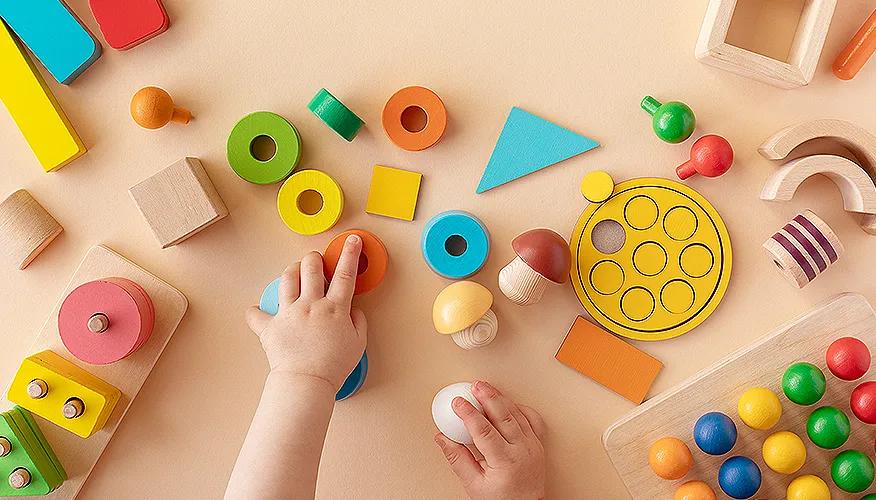
Here are 20 sensory play ideas for toddlers that can be beneficial:
Water play
- Overview: Fill a shallow basin with water and add toys, cups, and sponges.
- Why it works: Water play is engaging and soothing for babies.
- Sensory development: Enhances tactile and proprioceptive senses, fine motor skills, and hand-eye coordination.
Sensory bottles
- Overview: Fill plastic bottles with various materials like rice, beads, or water and glitter.
- Why it works: Visual and auditory stimulation keeps babies intrigued.
- Sensory development: This sensory play for kids develops visual and auditory senses, fine motor skills, and focus.
Tummy time mirror play
- Overview: Place a baby-safe mirror on the floor during tummy time.
- Why it works: Babies love looking at themselves, encouraging longer tummy time.
- Sensory development: Enhances visual perception, neck, and upper body strength.
Texture exploration
- Overview: Create a sensory board with different textures like sandpaper, fabric, and bubble wrap.
- Why it works: Touching various textures stimulates the sense of touch.
- Sensory development: Enhances sensory activities for infants touch and fine motor skills.
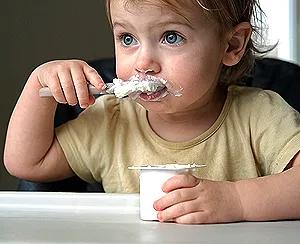
Edible finger paint
- Overview: Use yogurt or pudding as finger paint on a highchair tray.
- Why it works: Safe for babies who put everything in their mouths.
- Sensory development: This diy sensory play for babies enhances tactile and taste senses, fine motor skills, and creativity.
Sound shakers
- Overview: Fill containers with different materials like beans, rice, or pasta to create shakers.
- Why it works: Produces different sounds that attract babies' attention.
- Sensory development: Enhances auditory senses, fine motor skills, and cause-and-effect understanding.
Bubble wrap play
- Overview: Lay out bubble wrap for babies to crawl on and explore.
- Why it works: The texture and popping sound are intriguing.
- Sensory development: Enhances tactile and auditory senses, gross motor skills.
Nature walks
- Overview: Take your baby for a walk in the park or garden to explore nature.
- Why it works: Exposure to different sights, sounds, and smells of nature.
- Sensory development: Enhances visual, auditory, olfactory senses, and social interaction.
Gelatin sensory bin
- Overview: Make a bin of gelatin with toys hidden inside.
- Why it works: The squishy texture is fascinating and fun to explore.
- Sensory development: Enhances tactile sense, fine motor skills, and problem-solving.
Musical instruments
- Overview: Provide simple musical instruments like drums, maracas, and xylophones.
- Why it works: Different sounds and rhythms stimulate auditory senses.
Sensory development: Enhances auditory senses, fine motor skills, and rhythm understanding.
Musical instruments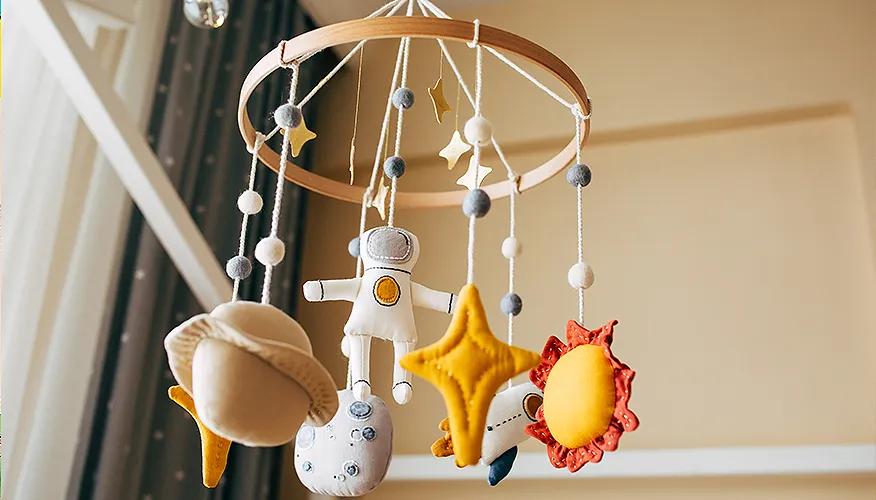
Light and shadow play
- Overview: Use a flashlight to create shadows on the wall for babies to observe.
- Why it works: Light and shadow changes captivate visual attention.
- Sensory development: This game of sensory diy for babies enhances visual perception and tracking skills.
Mess-free painting
- Overview: Seal paint in a ziplock bag and tape it to a window or table.
- Why it works: Allows babies to explore colors and textures without the mess.
- Sensory development: Enhances tactile and visual senses, fine motor skills, and creativity.
Rice or pasta play
- Overview: Fill a bin with uncooked rice or pasta for babies to explore.
- Why it works: The texture is interesting to touch and play with.
- Sensory development: Enhances tactile sense, fine motor skills, and imaginative play.
Ball pit
- Overview: Create a ball pit with soft, colorful balls.
- Why it works: Babies love the sensation of the balls around them.
- Sensory development: Enhances tactile sense, gross motor skills, and visual tracking.
Feather tickling
- Overview: Use soft feathers to gently tickle your baby.
- Why it works: The light touch of feathers is calming and enjoyable.
- Sensory development: Enhances sensory motor skills for toddlers and body awareness.
Ice play
- Overview: Provide ice cubes for babies to touch and explore.
- Why it works: The cold sensation is novel and engaging.
- Sensory development: Enhances tactile sense, fine motor skills, and understanding of temperature.
Mirror exploration
- Overview: Place a large mirror at baby’s level for them to look into.
- Why it works: Babies are fascinated by their reflections.
- Sensory development: Enhances visual perception and self-awareness.
Cushion obstacle course
- Overview: Arrange cushions and pillows for babies to crawl over and through.
- Why it works: Encourages physical activity and exploration.
- Sensory development: Enhances tactile sense, gross motor skills, and spatial awareness.
Scented playdough
- Overview: Make or buy playdough with different scents.
- Why it works: Combines touch and smell for a multi-sensory experience.
- Sensory development: Enhances tactile and olfactory senses, fine motor skills, and creativity.
Fabric play
- Overview: Provide different pieces of fabric for babies to touch and play with.
- Why it works: The varying textures and colors are stimulating.
Sensory development: Enhances tactile sense, fine motor skills, and visual perception
EUGICA IVY SYRUP
Conclusion
Sensory activities for toddlers is a fundamental part of early childhood development, offering numerous benefits that support cognitive, physical, and emotional growth.
By incorporating sensory games for kids into your baby's routine, you provide opportunities for exploration, learning, and bonding. The 20 sensory games for toddlers listed above are easy to set up and offer a wide range of sensory experiences to keep your little one engaged and stimulated. Remember, the goal is to have fun and enjoy the precious moments of discovery and growth with your baby.
Meet our expert

Meet our expert
Dr. Pakanich Maria Petrivna graduated from Ukraine's Uzhhorod National Medical University, Faculty of Medicine, in 1999. She further pursued her post graduation studies at Lviv National Medical University between 1999-2000. She then spent 16 years (2000-2016) at the same university as the resident doctor neurologist. Since 2016,Dr. Pakanich Maria Petrivna has been associated as a medical representative with Mega We Care.

How was the experience with article?
We'd love to know!