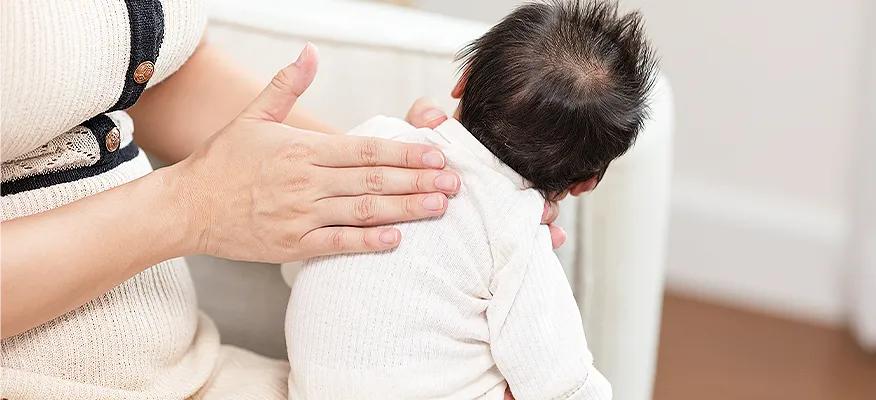
Newborn hiccups are a common concern for many new parents. Watching your tiny baby hiccup can be adorable but also worrisome. While hiccups in infants are usually harmless, understanding their causes and knowing how to manage and prevent them can bring peace of mind. In this blog, we will explore what baby hiccups are, why they occur, their causes, how to stop them, and preventive measures you can take.
What are baby hiccups?
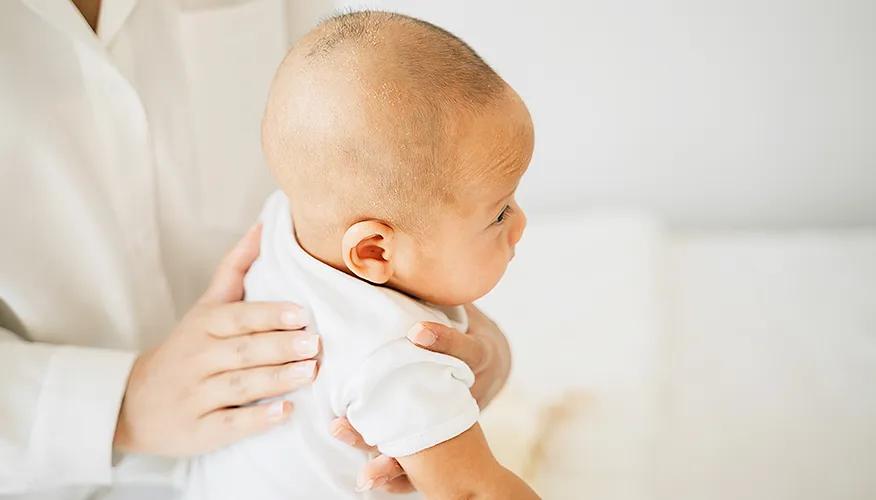
Hiccups in newborns or baby hiccups are involuntary contractions of the diaphragm followed by a rapid closure of the vocal cords, producing the characteristic "hic" sound.
The diaphragm is a muscle located between the chest and the abdomen that plays a crucial role in breathing. When it contracts suddenly, the vocal cords close quickly, causing the hiccup sound.
Why does my newborn get hiccups?
Why baby hiccups? Newborn hiccups can occur for various reasons, often tied to feeding and digestion.
Unlike adults, infants have an immature diaphragm and nervous system, making them more prone to hiccup episodes. Wondering hiccups for a newborn, is it normal?
Newborn hiccups a lot and are particularly common in the early months of life and typically decrease as the baby grows older and their bodily functions mature.
What causes hiccups in infants?
Understanding the triggers for baby hiccups can help in managing and preventing them.
Here are some common causes of hiccups in newborns:
Feeding Too Quickly
Newborn hiccups after feeding is a primary cause. When a baby feeds too quickly, whether breastfeeding or bottle-feeding, they can inadvertently swallow air along with milk. This excess air accumulates in the stomach, creating pressure against the diaphragm.
The diaphragm, a muscle crucial for breathing, reacts to this pressure by contracting involuntarily, resulting in hiccups. Ensuring a calm feeding pace can help minimize the amount of air swallowed and reduce the occurrence of hiccups.
Overfeeding
Newborn hiccups after breastfeeding can lead to a stretched stomach, which exerts pressure on the diaphragm.
When the stomach is overly full, it can push against the diaphragm, causing it to contract spasmodically and trigger baby hiccups. It's essential to monitor your baby's feeding cues and avoid overfeeding to prevent this from happening.
Swallowing Air
Babies often swallow air when they cry or feed rapidly. This swallowed air can become trapped in the stomach, leading to discomfort and hiccups.
Babies who are particularly enthusiastic eaters or who cry frequently before or during feedings are more prone to swallowing air. Burping your baby regularly during and after feeding can help release this trapped air and prevent baby hiccups.
Sudden Temperature Changes
A sudden change in the temperature of your baby's stomach contents can trigger hiccups. For instance, if your baby consumes cold milk followed by warm breast milk, the rapid temperature shift can irritate the diaphragm and cause it to contract suddenly.
To avoid this, try to maintain a consistent temperature for your baby's feeds.
Immature Diaphragm
In newborns, the diaphragm and nervous system are still developing. This immaturity makes the diaphragm more susceptible to involuntary contractions, leading to frequent hiccups.
As your baby’s body matures, the incidence of hiccups is likely to decrease. However, in the early months, it's common for newborns to experience baby hiccups more frequently due to their underdeveloped systems.
Reflux
Gastroesophageal reflux (GER) is a condition where stomach contents, including acid, flow back into the esophagus. This reflux can irritate the diaphragm, causing it to spasm and produce toddler hiccups.
Babies with GER may exhibit other symptoms such as spitting up, coughing, or irritability during or after feedings. If you suspect that reflux is causing baby hiccups, consult with your pediatrician for appropriate management strategies.
How to stop newborn hiccups
While hiccups usually resolve on their own, there are several methods you can try to help stop them.
Here are a few ways on how to stop newborn hiccups:
Pause and burp
If your baby starts hiccuping during a feeding, it's a good idea to pause and burp them.
Burping helps release any trapped air that might be causing the hiccups. To burp your baby, gently pat or rub their back while holding them in an upright position.
This action can help expel the excess air that has been swallowed, reducing the pressure on the diaphragm and stopping the hiccups.
Burping your baby regularly during and after feedings is a good practice to prevent air buildup.
Change feeding position
The position in which you feed can significantly impact their likelihood of baby having hiccups.
Try holding your baby in an upright position during and after feeding. Keeping the baby upright allows gravity to help keep the milk down and reduces the amount of air swallowed.
This position also aids in digestion and can help alleviate hiccups.
After feeding, hold your baby upright for about 20 to 30 minutes to ensure they are comfortable and less likely to hiccup.
Offer a pacifier
Sucking on a pacifier can be a simple yet effective way to stop hiccups.
The sucking motion helps relax the diaphragm and can interrupt the hiccup cycle.
Offering a pacifier to your baby when they start hiccuping can provide immediate relief.
The soothing action of sucking can calm your baby and help the diaphragm to settle down, stopping the hiccups.
Gripe water
Some parents find that giving their baby gripe water can help alleviate hiccups.
Gripe water is an over-the-counter herbal remedy often used to relieve colic, gas, and other digestive issues in infants.
It typically contains ingredients like ginger, fennel, and chamomile, which can help soothe the stomach and relax the diaphragm.
However, it's important to consult your pediatrician before using gripe water to ensure it's safe for your baby and to determine the appropriate dosage.

Warm water bath
A warm bath can be a great way to relax your baby’s diaphragm and help stop hiccups.
The warmth of the water can soothe your baby and promote relaxation throughout their body, including the diaphragm.
Make sure the water is comfortably warm and not too hot. A gentle, calming bath can help your baby feel more at ease and can often put an end to hiccups.
Feed smaller amounts
If overfeeding is the issue causing your baby's hiccups, try feeding smaller amounts more frequently.
Overfeeding can stretch the stomach and put pressure on the diaphragm, triggering hiccups.
By offering smaller, more manageable amounts of milk or formula, you can help prevent the stomach from becoming too full and reduce the likelihood of hiccups.
Pay attention to your baby's hunger cues and avoid pushing them to eat more than they need.
Gentle massage
Gently rubbing or patting your baby’s back in a soothing manner can help stop hiccups.
This gentle massage can help release any trapped air and relax the diaphragm. To do this, hold your baby in an upright position and gently pat or rub their back with a soothing, rhythmic motion. This action can help calm your baby and encourage the hiccups to stop.
Be gentle and make sure your baby is comfortable throughout the process.
How to prevent baby hiccups
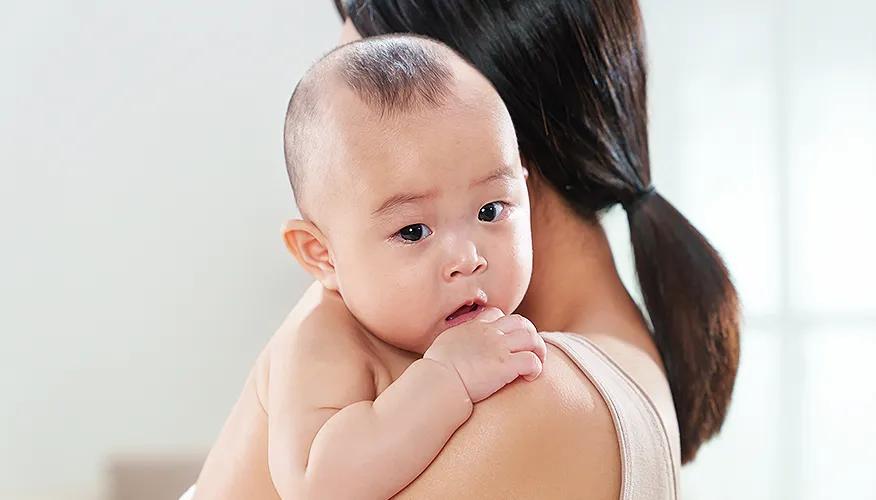
Baby hiccups? What to do? Prevention is often the best approach when it comes to newborn hiccups.
Here are some tips to help minimize the occurrence of hiccups in your baby:
- Proper feeding techniques: Ensure your baby is latching correctly during breastfeeding to minimize the amount of air swallowed. If bottle-feeding, use bottles designed to reduce air intake.
- Frequent burping: Burp your baby regularly during and after feeding. This helps to release any trapped air that could cause hiccups.
- Pace feedings: Allow your baby to take breaks during feeding to prevent overeating and swallowing too much air.
- Keep upright after feeding: Hold your baby upright for 20-30 minutes after feeding. This helps to keep the stomach contents down and reduces the chance of reflux and hiccups.
- Monitor diet: For breastfeeding mothers, certain foods in your diet can affect your baby. Keep track of any foods that seem to correlate with your baby’s hiccups and try to avoid them.
- Maintain a calm feeding environment: Create a calm and quiet environment during feeding times. Avoid distractions and ensure that both you and your baby are comfortable.
- Use slow flow nipples: If you are bottle-feeding, use slow-flow nipples to regulate the milk flow and reduce the chance of your baby swallowing air.
Conclusion
Newborn hiccups, while often harmless, can be a source of concern for new parents. Understanding the causes and learning effective ways to manage and prevent hiccups can help ease this worry.
By implementing proper feeding techniques, regular burping, and keeping your baby upright after feedings, you can significantly reduce the occurrence of hiccups.
Remember, as your baby grows and their digestive system matures, the frequency of hiccups will likely decrease. If you have any concerns or if hiccups seem persistent, always consult with your pediatrician to ensure your baby’s health and well-being.
Meet our expert

Meet our expert
Reshma Kulkarni-Pathare is a senior Indian media professional since 1999. She has written for over 45 national and international publications, including The Times of India, Femina, and BBC Good Homes.

How was the experience with article?
We'd love to know!