
In recent years, probiotics have gained significant attention for their potential health benefits, particularly in supporting digestive health and boosting the immune system.
While adults often seek out probiotics for their well-being, many parents wonder if these beneficial bacteria can be equally advantageous for their children.
This article explores the top benefits of probiotics for kids, shedding light on what probiotics are, how they work, and the best ways to incorporate them into your child's diet.
What are probiotics?
Probiotics are live microorganisms, primarily bacteria and yeast, that are beneficial to the host's health, especially the digestive system.
Probiotics for kids are often referred to as ‘good’ or ‘friendly’ bacteria because they help maintain a healthy balance of gut flora.
Probiotics can be found in various foods and supplements and are known for their ability to aid in digestion, enhance immune function, and potentially prevent certain illnesses.
How do probiotics work?
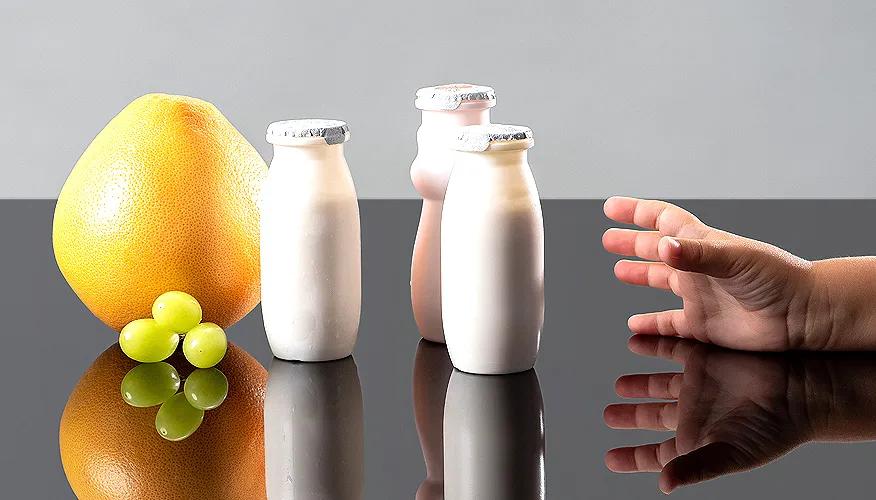
Probiotics work by colonizing the gut with beneficial bacteria, which helps to balance the gut microbiome. This balance is crucial for several bodily functions, including digestion, nutrient absorption, and immune system regulation.
The gut microbiome is a complex community of microorganisms that reside in the digestive tract, and maintaining a healthy balance of these microorganisms is vital for overall health.
When infant probiotics are consumed, they help to replenish and maintain the natural flora of the gut, which can be disrupted by factors such as antibiotics, poor diet, and stress.
By doing so, probiotics for kids can aid in the prevention of harmful bacteria overgrowth, enhance the integrity of the gut barrier, and modulate the immune system.
Are probiotics good for babies?
Probiotics for kids can be beneficial particularly in supporting their developing digestive and immune systems.
Babies are born with a sterile gut, and the colonization of their gut microbiome begins at birth. Factors such as mode of delivery (vaginal birth or cesarean section), breastfeeding, and exposure to antibiotics can influence the development of the baby's gut flora.
Probiotics can help to promote a healthy balance of gut bacteria in infants, which can aid in digestion, reduce the risk of colic, and enhance immune function. Some studies have shown that probiotics can reduce the incidence of gastrointestinal infections, diarrhea, and eczema in babies.
However, it is important to consult with a pediatrician before introducing probiotics to an infant, as their developing systems may have different needs and sensitivities compared to older children.
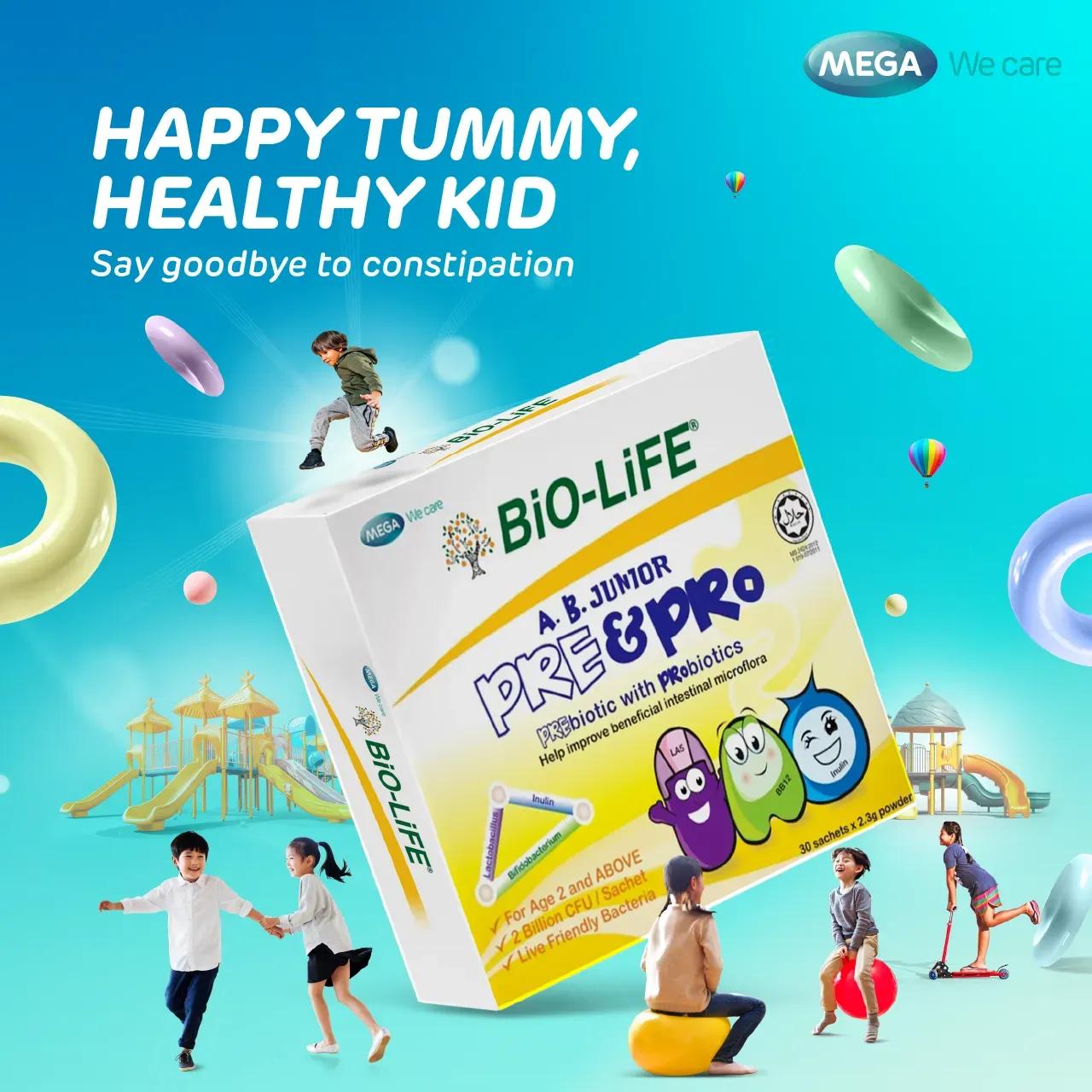
What are the benefits of probiotics for kids?
Here are the benefits of probiotics for kids:
- Improved digestive health: Probiotics can support the digestive health of children by promoting a balanced gut microbiome. This can help to alleviate common digestive issues such as constipation, diarrhea, and bloating. Probiotics have also been shown to reduce the risk of antibiotic-associated diarrhea, which can be a common side effect of antibiotic treatment in children.
- Enhanced immune function: A significant portion of the immune system resides in the gut, and maintaining a healthy gut microbiome is crucial for optimal immune function. Probiotics can help to boost the immune system by enhancing the production of antibodies, promoting the activity of immune cells, and inhibiting the growth of harmful pathogens.
- Reduction in eczema and allergies: Some studies have shown that probiotics can help to reduce the incidence and severity of eczema and allergies in children. Probiotics can modulate the immune response and reduce inflammation, which can be beneficial in managing allergic conditions.
- Improved mental health: Emerging research suggests a strong connection between gut health and mental health, often referred to as the gut-brain axis. Probiotics can influence the production of neurotransmitters and other compounds that affect mood and cognitive function. By promoting a healthy gut microbiome, probiotics may help to support mental well-being in children.
- Prevention of infections: Probiotics can help to prevent infections by enhancing the gut barrier function and inhibiting the growth of harmful bacteria. This can be particularly beneficial in reducing the risk of gastrointestinal and respiratory infections in children.
Are probiotics safe for kids?
Probiotics for kids are generally considered safe when used appropriately.
However, it is essential to choose high-quality probiotic products and follow the recommended dosages. It is also important to consult with a pediatrician before introducing probiotics to your child's diet, especially if your child has underlying health conditions or is taking medication.
While probiotics are safe for most children, there are some potential side effects to be aware of, such as mild digestive discomfort, gas, and bloating. These side effects are usually temporary and resolve as the child's body adjusts to the probiotics.
Supplements vs. probiotic foods: what’s better?

Both baby probiotics supplements and natural probiotics for babies can be effective in promoting a healthy gut microbiome in children. The choice between probiotic supplements for babies and foods depends on individual preferences, dietary restrictions, and specific health needs.
Probiotic supplements:
- Pros: Convenient, precise dosage, available in various forms (capsules, powders, gummies).
- Cons: Can be expensive, some children may not like the taste or texture.
Probiotic foods:
- Pros: Natural sources of probiotics, often containing additional nutrients, can be incorporated into meals and snacks.
- Cons: May not provide a consistent dosage, some children may have dietary restrictions or preferences that limit their intake.
Examples of foods include probiotic yogurt for kids, kefir, sauerkraut, kimchi, miso, and fermented vegetables. It is important to choose foods that contain live and active cultures to ensure they provide probiotic benefits.
How to give children probiotics?
There are several ways to incorporate probiotic foods for kids in diet:
- Probiotic supplements: Available in various forms, including capsules, powders, and gummies. Choose a product specifically formulated for children and follow the recommended probiotic dosage for kids.
- Probiotic-rich foods: Incorporate foods such as yogurt, kefir, and fermented vegetables into your child's meals and snacks. Look for products that contain live and active cultures.
- Probiotic-fortified foods: Some foods, such as certain juices and cereals, are fortified with probiotics. These can be an easy way to add probiotics to your child's diet.
- Mix with other foods: Probiotic powders can be mixed with other foods and beverages, such as smoothies, applesauce, or oatmeal, to make them more palatable for children.
Choosing the best probiotic for your child
When choosing probiotics for kids, consider the following factors:
- Strain specificity: Different probiotic strains offer different benefits. For the best probiotic for newborn look for products that contain specific strains known to be beneficial for children, such as Lactobacillus rhamnosus GG, Bifidobacterium infantis, and Saccharomyces boulardii.
- CFU count: Colony-forming units (CFUs) indicate the number of live bacteria in a probiotic product. Choose a product with an appropriate CFU count for your child's age and health needs.
- Quality and purity: Choose the best probiotic for kids from reputable brands that undergo third-party testing for quality and purity. Avoid products with unnecessary additives, fillers, or artificial ingredients.
- Formulation: Consider the form of the probiotic (capsule, powder, gummy) and choose one that is easy for your child to take.
Storage requirements: Some probiotics require refrigeration to maintain their potency, while others are shelf-stable. Consider your storage options and choose a product that fits your lifestyle.
AB ADULT GOLD
Conclusion
Probiotics offer a range of benefits for children, from supporting digestive health and enhancing immune function to reducing the risk of eczema and allergies. While probiotics for kids are generally safe, it is important to choose high-quality products and consult with a pediatrician before introducing them to your child's diet. Whether you opt for probiotic supplements or incorporate probiotic-rich foods, ensuring a healthy balance of gut bacteria can contribute to your child's overall well-being.
Meet our expert

Meet our expert
Dr Jatin Bhide is an Ayurvedic doctor with over 16 years of enriching experience in Marketing and Strategy across OTC/FMHG, herbal medicine and Nutraceuticals (Europe) industries. He did his Bachelor of Ayurvedic Medicine and Surgery (BAMS) from Mumbai University, before moving on to do a Post Graduate Diploma in Pharmaceuticals and Healthcare Management.



How was the experience with article?
We'd love to know!