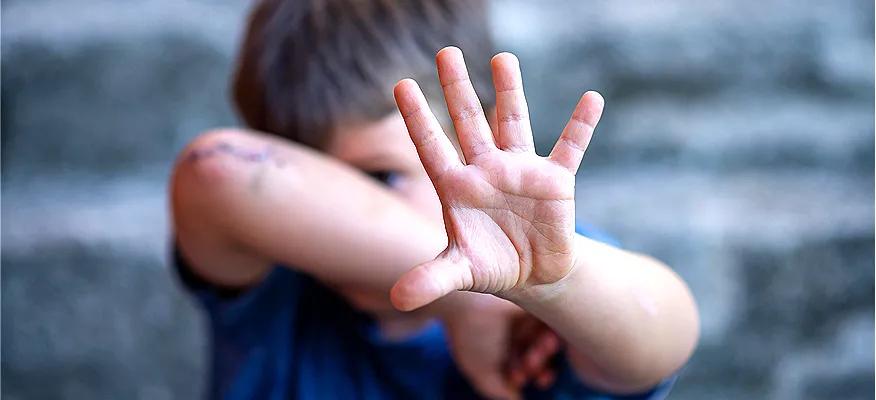
‘Uh-oh, mommy... I’m scared.’
Hearing these words from your child can be heart-wrenching, especially if they’re grappling with fear and worry.
Just like adults, children too experience their fair share of ups and downs. And one silent yet significant factor that often goes unnoticed in their tiny, precious lives is anxiety.
Anxiety in children is not just about occasional nerves or typical fears. It's a serious health concern that can disrupt their day-to-day life.
From school refusal to nightmares and even physical symptoms like headaches, the signs of anxiety in children are diverse and often challenging to identify.
In this blog, we’re going to discuss how to deal with anxiety in children. Together, we’ll be understanding what childhood anxiety looks like, its various manifestations like social anxiety disorder in children, anxiety attacks in children, and even the link between childhood trauma and anxiety.
Understanding childhood anxiety
Anxiety in children is not just about feeling tense or nervous. It’s a serious condition that can interfere with your child’s daily life. Children with anxiety disorders experience fear, nervousness, and shyness, and they start to avoid places and activities.
A child with an anxiety disorder might be scared and worried most of the time. They may experience sudden, intense bouts of fear that can peak within minutes (anxiety attacks). Anxiety in children goes beyond the usual stress and worries of childhood. Hence, it’s essential to understand this often misunderstood issue.
Anxiety manifests differently in different children.
Some common signs include excessive worry about routine matters, refusing to go to school, being very fearful when away from parents, having frequent nightmares or difficulty sleeping, and experiencing constant distress.
Various factors could cause anxiety in kids. These might include inherited traits, environmental influences like trauma or a significant change such as moving schools or cities, or physical health issues.
Strategies for helping your child cope with anxiety
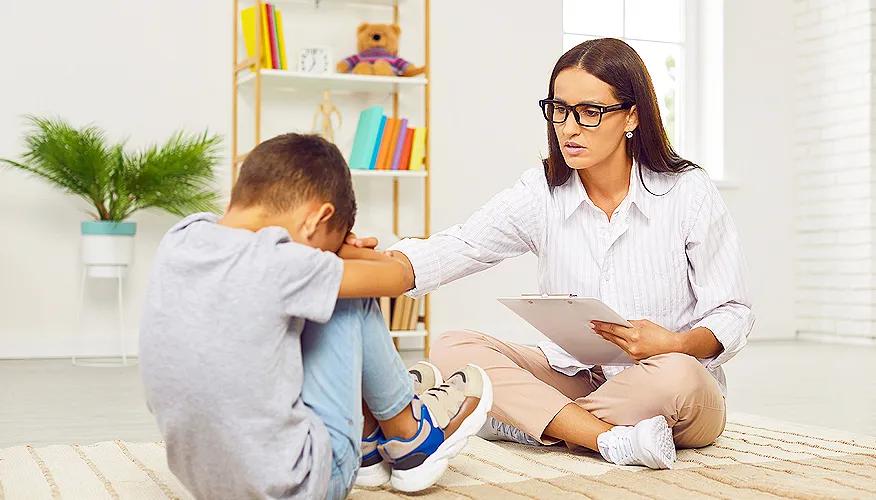
With the right strategies, parents can help their children navigate feelings of anxiety and build resilience.
Here are effective methods to support your child in managing anxiety:
Encourage open communication
- Encouraging open communication is crucial for helping your child express their feelings.
- Create a safe space where they feel comfortable sharing their thoughts and worries without fear of judgment.
- Start conversations by asking open-ended questions such as, “What’s been on your mind lately?” or “Can you tell me more about what makes you feel anxious?”
- This approach invites them to share more about their fears and allows you to listen actively.
- When your child opens up, validate their emotions by acknowledging how they feel. For instance, saying, “It’s okay to feel scared about that,” helps them understand that their feelings are normal.
- After listening, work together to identify possible solutions or coping strategies, empowering them to take an active role in managing their anxiety.
Teach relaxation techniques
- Teaching your child relaxation techniques can significantly help them manage anxiety symptoms.
- Introduce them to deep breathing exercises, which can calm the nervous system. For example, guide them to inhale deeply through the nose for a count of four, hold for four, and exhale through the mouth for a count of four. Practicing this regularly can help them feel more centered.
- Progressive muscle relaxation is another effective technique. Teach your child to tense and relax each muscle group, starting from their toes and working up to their head. This helps them become more aware of physical tension and learn how to release it.
- Visualization is also a powerful tool. Encourage your child to picture a peaceful place, like a beach or a forest, and describe it to you.
Guided imagery, where you narrate a calming story that engages their senses, can further enhance relaxation and provide a mental escape from anxious thoughts.
KIDDZ DHA CHEWZ
Establish a routine
- Establishing a consistent routine gives your child a sense of security and predictability, which can help reduce anxiety.
- Ensure the routine includes time for adequate sleep, balanced meals, schoolwork, leisure activities, and physical exercise.
- Encourage them to follow a morning routine that prepares them for the day, such as setting aside time for breakfast and getting ready without rushing.
- In the evening, create a wind-down routine that signals it’s time to relax, such as reading a book or taking a bath. This predictability can provide comfort and help them feel more in control of their environment.
Recommend physical activity
- Regular physical activity plays a vital role in improving mental health and reducing anxiety symptoms in children.
- Exercise releases endorphins, which enhance mood and reduce stress. Make physical activity a fun and engaging part of their daily routine.
- Find activities your child enjoys, whether it’s playing sports, dancing, riding a bike, or simply going for a walk.
- Encourage family outings that involve physical activity, like hiking or playing at the park, to make it a shared experience. This not only promotes health but also strengthens family bonds.
Limit screen time
- Excessive screen time can contribute to increased anxiety levels in children.
- Set realistic boundaries for device usage, such as limiting screen time to a couple of hours a day. Encourage outdoor play and exploration instead.
- Introduce alternative forms of entertainment that promote creativity and social interaction, such as board games, puzzles, or arts and crafts.
- By creating a balanced environment that prioritizes physical activity and face-to-face interactions, you help your child develop healthier coping mechanisms and reduce reliance on screens.

Model healthy coping mechanisms
- Children learn by observing their parents and caregivers, making it essential for you to model healthy coping mechanisms.
- Show your child how you handle stress positively by involving them in your relaxation activities, such as reading, gardening, or going for walks.
- Discuss your feelings openly when appropriate, sharing how you cope with stress and anxiety. This not only normalizes emotional struggles but also provides them with practical examples of how to manage their feelings.
- Encourage them to engage in mindfulness practices or hobbies that promote relaxation, helping them develop their own healthy coping strategies.
Creating a supportive environment at home
- Let your child know they can speak freely about their feelings. Your supportive and non-judgmental response can help them cope with their anxiety.
- Bedtime stories, family game nights, or warm baths can create reassurance and stability.
- Do not over-schedule your child, and make sure they have enough time to relax and unwind.
Encouraging social connections
Children with social anxiety disorder may fear interactions with their peers, leading to feelings of isolation.
Encourage friendships and social interactions as these are crucial for their emotional growth and can help reduce anxiety symptoms in children.
- Help your child develop social skills: Teach them how to make friends, cooperate with others, and handle conflicts.
- Organize playdates and group activities: This provides opportunities for your child to practice their social skills in a safe environment.
- Encourage participation in clubs or teams: Shared interests can be a great way to foster friendships.
- Be a role model: Your own positive social interactions can serve as an example for your child.
Conclusion
Understanding how to deal with anxiety in children is the first step toward helping them navigate through these challenging emotions.
It’s important to remember that childhood anxiety is not just a phase; it’s a serious condition that requires understanding, patience, and appropriate treatment strategies. Through creating a supportive home environment and encouraging social connections, you can significantly help your anxious child.
Remember, every child is unique, and what works for one may not work for another. Be patient with your child's progress and celebrate their small victories along the way. If your child’s anxiety persists or worsens, it’s critical to seek professional help.
With the right support, children with anxiety disorders can lead successful, fulfilling lives. Let's walk this path together, nurturing our children's mental health as much as we do their physical well-being.
Meet our expert

Meet our expert
Dr. Burtseva Tamara Viktorivna is a pediatrician by profession based out of Ukraine. In 2004, Dr. Viktorivna graduated from Ukraine's Donetsk Medical University where she specialised in pediatric studies. She then gathered extensive experience on ground until 2011 at city polyclinic No. 1 in Donetsk, where she worked as a pediatrician handling a variety of cases.

How was the experience with article?
We'd love to know!