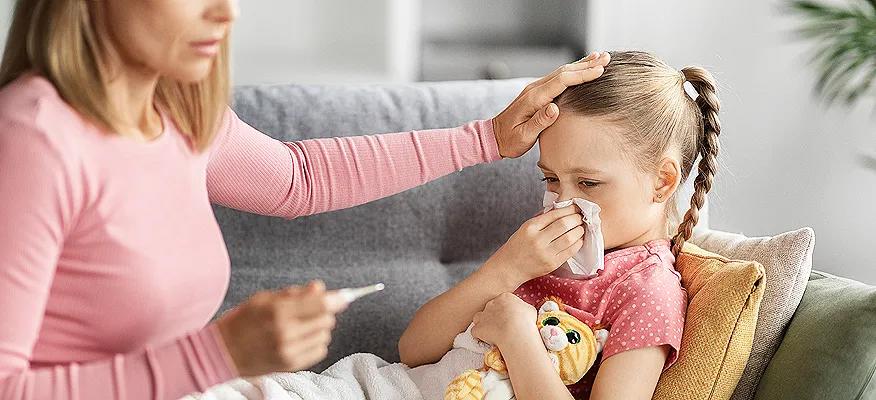
There it goes again, that unforgettable sound of your little one’s sneezing, followed by a nose starting to run like a leaky faucet.
We are all too familiar with these symptoms, aren’t we? They often signal the onset of common childhood illnesses such as cold or flu that can disrupt the rhythm of our busy lives.
In fact, every year, as the seasons change, many parents witness a significant uptick in doctor visits due to upper respiratory infections in kids. And even with the best wellness practices in place, these common illnesses manage to find their way into our homes, leaving us wondering—why now?
Well, it’s time to arm ourselves with knowledge and bust some myths regarding these illnesses.
Let’s journey together to understand why common childhood illnesses occur and learn easy, natural ways to manage them effectively.
So, whether it’s the common cold symptoms in your child or an ear infection causing a runny nose, we’ve got you covered!
Let’s dive in!
Common childhood illnesses
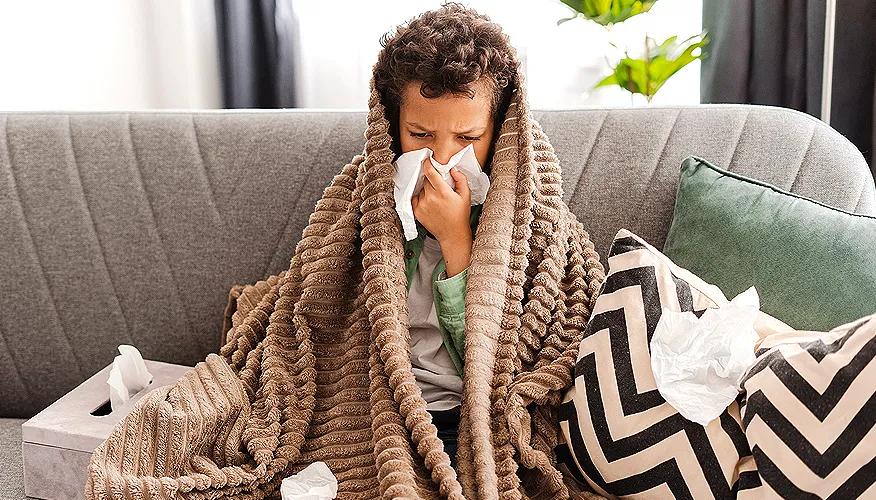
Childhood illnesses are a common concern for parents, and understanding the symptoms and home remedies can help manage these conditions effectively.
Here are some prevalent childhood illnesses, their symptoms, and suggested home treatments.
Common cold
Symptoms
- The common cold is characterized by a runny nose, cough, and fever.
- Other common cold symptoms in a child may include sneezing, sore throat, and mild headache.
Home remedies
- To help alleviate symptoms, encourage rest and hydration.
- Providing plenty of fluids, such as water and herbal teas, is essential.
- A humidifier can also help ease breathing difficulties by keeping the air moist.
Ear infections
Symptoms
- Ear infections often manifest as ear pain, difficulty hearing, and irritability.
- Children may tug at their ears and show signs of discomfort.
Home remedies
- Applying a warm compress to the affected ear can provide relief.
- Over-the-counter pain relief medication can also help manage discomfort.
- If symptoms persist, consulting a healthcare provider is recommended, as an ear infection causes a runny nose and may require further evaluation.
Fever
Symptoms
- Fever is indicated by elevated body temperature, sweating, and shivering.
- It can be a sign of various infections and illnesses.
Home remedies
- Ensure your child stays hydrated with plenty of fluids.
- Dress them in light clothing to avoid overheating. Tepid baths can help reduce fever and provide comfort.
Stomach flu (gastroenteritis)
Symptoms
- Gastroenteritis in kids can present with vomiting, diarrhea, and stomach cramps.
- These symptoms can lead to dehydration if not managed properly.
Home remedies
- Offer clear fluids like water, broth, or electrolyte solutions to prevent dehydration.
- A bland diet consisting of foods like bananas, rice, applesauce, and toast can help settle the stomach. Rest is also crucial for recovery.

Hand, foot, and mouth disease
Symptoms
- This illness typically presents with fever, sores in the mouth, and a rash on the hands and feet.
- It is highly contagious among young children.
Home remedies
- Maintain hydration by encouraging your child to drink fluids.
- Over-the-counter pain relief can help manage discomfort.
- Soft foods may be easier for them to eat during this time.
Chickenpox
Symptoms
- Chickenpox in children is recognized by an itchy rash, fever, and fatigue.
- The rash develops into fluid-filled blisters before crusting over.
Home remedies
- To alleviate itching, calamine lotion can be applied to affected areas.
- Cool baths with oatmeal or baking soda can soothe the skin.
- Antihistamines may also provide relief from itching.
Croup
Symptoms
- Croup in toddlers typically presents with a barking cough, hoarse voice, and difficulty breathing.
- It often worsens at night.
Home remedies
- Steam inhalation can help ease breathing difficulties.
- Encourage hydration and ensure your child gets plenty of rest.
- If breathing becomes severely labored, seek medical attention.
Conjunctivitis (pink eye)
Symptoms
- Conjunctivitis in children is characterized by red eyes, discharge, and itching.
- It can be viral or bacterial in nature.
Home remedies
- Using a warm compress can help soothe the eyes.
- Over-the-counter eye drops may alleviate discomfort, but maintaining hygiene practices is vital to prevent the spreading of the infection.

General tips for managing childhood illnesses
Managing childhood illnesses requires a proactive approach to ensure your child recovers quickly and effectively.
Here are some essential tips to consider:
Importance of maintaining hygiene
- Maintaining hygiene is crucial in preventing the spread of common diseases among children.
- Regular handwashing, especially before meals and after using the restroom, helps eliminate germs.
- Teach your child to cover their mouth when coughing or sneezing to minimize the risk of transmitting infections like the common cold.
- Additionally, disinfecting frequently touched surfaces can further reduce the chance of illness.
Keeping children hydrated
- Hydration plays a vital role in managing childhood illnesses. When children are sick, especially with conditions like gastroenteritis or fever, they can become dehydrated quickly.
- Encourage your child to drink plenty of fluids, such as water, herbal teas, or electrolyte solutions, to keep them hydrated.
- Proper hydration supports overall health and aids in recovery, especially during illnesses like stomach flu in kids.
Ensuring proper rest and nutrition
- Rest and nutrition are foundational elements in helping your child recover from illness.
- Ensure your child gets adequate sleep, as this allows their body to heal and strengthen their immune system.
- A balanced diet rich in fruits, vegetables, and whole grains provides the necessary nutrients for recovery.
- Even during illness, encourage small, nutritious meals to support their energy levels and immune function.
Monitoring symptoms and knowing when to seek medical advice
- Being vigilant about your child’s symptoms is essential for effective management of childhood illnesses.
- Keep track of their condition and note any changes. Know when to seek medical advice if symptoms persist or worsen—such as a fever that does not respond to treatment, difficulty breathing, or severe pain.
- Early intervention can prevent complications and ensure that conditions like ear infections or conjunctivitis in children are treated promptly.
Preventive measures
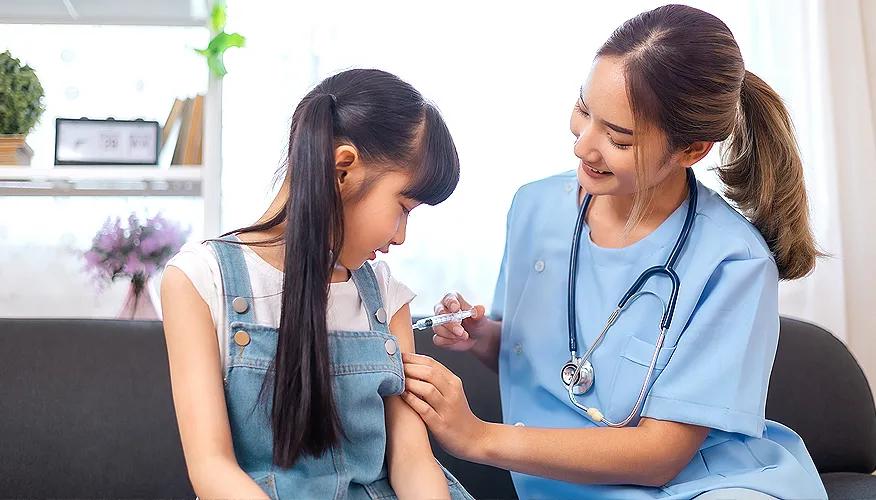
Preventing childhood illnesses is essential for ensuring your child’s health and well-being.
Here are some key preventive measures to consider:
Importance of vaccinations
- Vaccinations are critical in protecting children from various common diseases.
- Immunizations like the common cold vaccine and the Chickenpox vaccine significantly reduce the risk of severe illness.
- Keeping your child’s vaccination schedule up-to-date is a key component of the integrated management of childhood illness, helping to prevent outbreaks of vaccine-preventable diseases.
Teaching children good hygiene practices
- Teaching children good hygiene practices is vital for preventing the spread of illnesses.
- Encourage regular handwashing, especially after using the restroom and before meals, to help minimize the risk of infections like gastroenteritis in kids and conjunctivitis in children.
- Explain the importance of covering their mouth and nose when sneezing or coughing, as this can help reduce the transmission of germs that can cause common cold symptoms in child and ear infections.
Ensuring a balanced diet and regular exercise
- A balanced diet and regular exercise play essential roles in strengthening a child's immune system.
- Provide a variety of fruits, vegetables, whole grains, and lean proteins to support overall health.
- Regular physical activity not only promotes physical fitness but also boosts mental well-being.
- This foundation can help mitigate the risks of childhood illnesses, including croup in toddlers and stomach flu in kids.
Keeping a clean and safe home environment
- Maintaining a clean and safe home environment is another crucial preventive measure.
- Regularly disinfecting frequently touched surfaces can help reduce the spread of germs, particularly during cold and flu seasons.
- Ensure that your home is safe and free from potential hazards that could lead to injuries.
- This proactive approach can contribute to minimizing the occurrence of common diseases and promoting a healthier living space for your child.
Conclusion
Tending to common childhood illnesses requires patience, understanding, and a proactive approach.
From understanding symptoms like croup symptoms in toddlers or recognizing conjunctivitis in children to knowing how to soothe a child with a barking cough due to croup, every bit of knowledge empowers you as a parent.
Remember, while home remedies can ease discomforts, it's vital to consult a healthcare provider when necessary. And most importantly, preventive measures are your best defense against these illnesses.
By implementing these tips and carefully monitoring your child’s health, you’re on your way to ensuring their well-being for years to come.
In the end, raising healthy children is not just about curing their current illnesses but fostering habits that will keep them healthy throughout life. It’s an ongoing love, care, observation, and action process.
Let’s work hand-in-hand with healthcare providers for the optimal health of our children!
Meet our expert

Meet our expert
Dr. Dovbakh Olga Dmitrivna is a Clinical Psychologist based out of Ukraine. She graduated from the Bukovinian State Medical University, Ukraine back in 2009. Driven by a thirst of knowledge and with a keen interest in matters of the mind, Dr. Dovbakh Olga Dmitrivna went back to University in 2021 to specialise in psychiatry.

How was the experience with article?
We'd love to know!