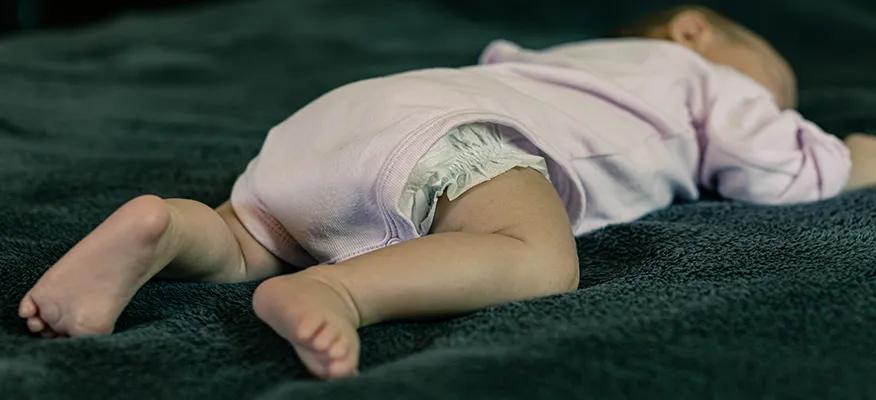
Let’s Raise Awareness
The unexpected and unexplainable death of a baby smaller than a year old is known as sudden infant death syndrome (SIDS). According to studies, SIDS is linked to inadequate physiologic reactions to hypoxemia, hypercarbia, and a variety of both intrinsic and external variables. You should be very careful when you have given birth to a new baby. Let us discuss what exactly the SID is and the reasons.
Risk Factors For SIDS
The exact cause of SIDS is not clear. The studies indicate a reduced rate of death in infants due to SIDS by making them sleep on their backs. The following factors can make an infant more prone to SIDS.
1. Sleeping Position And Environment:
The association of SIDS with the sleeping position and sleep environment of your baby is as follows:
- Infants placed on their bellies or on the side for sleeping tend to sleep longer and may get suffocated, which can increase the risk of SIDS.
- The chances of SIDS are high if the baby shares a bed with anyone while sleeping, be it parents, siblings, or pets.
- Sleeping on soft surfaces, mattresses, or beds may prevent the flow of air into and out of the lungs.
- Overheating while sleeping can lead to difficulty in breathing and hence, increase the risk of SIDS.
2. Bodily Factors:
Infants who are at a higher risk for SIDS might have:
- Age of an infant between two to three months is more vulnerable to SIDS.
- Premature birth or low birth weight increases the risk of SIDS in infants as the control of the breathing process in the brain may be poorly developed.
- Infection is a suspected trigger factor to cause SIDS.
- Some infants are born with a defect in the brain, which is more likely to cause their death due to SIDS.
- A baby who has a sibling with a history of SIDS is also at risk of developing SIDS.

3. Maternal Factors:
The risk factors related to the mother are:
- Smoking, drug, or tobacco use during pregnancy by the mother is believed to increase the risk of SIDS in the baby.
- Exposure of the baby to second-hand smoke is directly related to the risk of SIDS in the baby.
- Pregnancy at a young age, less than 20 years, poses a risk to the infant for SIDS.
- The chances of SIDS are more in an infant whose mother is deprived of proper care during pregnancy.
Suggestions To Lower The Consequences Of SIDS In Your Baby
The guidelines as recommended by the American Academy of Paediatrics (AAP) to reduce the risk of SIDS in infants below 1 year are:
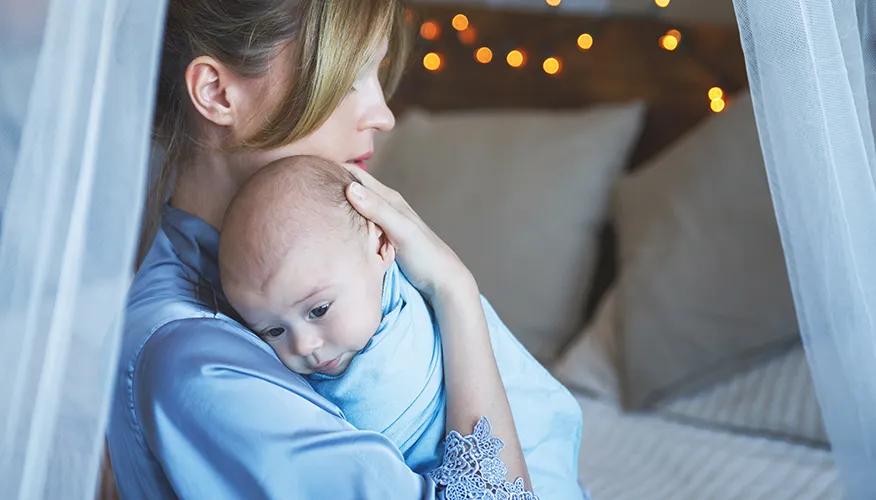
The sleeping territory
- You should put your little one to sleep on his back, not on his belly or on the side.
- The baby can share the room but should not accompany you on your bed to prevent suffocation.
- The mattress should be flat with a tightly fitted sheet. It should not be soft and other soft objects like toys or pillows should be kept away from the sleeping area of the baby.
- You should dress your child in loose and comfortable attire to prevent overheating. Do not cover your baby’s head or mouth while sleeping.
- The use of wedges, positioners, or aligners for better sleeping positions for the baby or products claimed to reduce the risk of SIDS should be avoided as these are not consistent with the recommendations for safe sleep for your infant.
Role of the mother
- Ensure that you take care of yourself when you are expecting a baby.
- Drug use and alcohol consumption should be avoided completely during pregnancy as they are not safe for your little one.
- You should avoid exposing your baby to smoke. Breastfeeding is recommended for the good health of your baby. It also reduces the risk of SIDS in the baby. Make sure your baby is vaccinated timely.
Swaddling and use of pacifier
- Swaddling your baby on his back while sleeping might be protective against SIDS.
- However, it is not recommended if your baby starts to roll on his side or on his stomach. Pacifier can be given to the baby while sleeping.
The risk of SIDS can be reduced greatly by putting your baby to sleep on his back and never on his stomach or on the side.

Conclusion
Placing the baby to sleep on the back and never on the stomach or side significantly reduces the risk of SIDS. Keep an eye on your baby and ensure you follow the above guidelines as much as possible.
Meet our expert

Meet our expert
Dr. Burtseva Tamara Viktorivna is a pediatrician by profession based out of Ukraine. In 2004, Dr. Viktorivna graduated from Ukraine's Donetsk Medical University where she specialised in pediatric studies. She then gathered extensive experience on ground until 2011 at city polyclinic No. 1 in Donetsk, where she worked as a pediatrician handling a variety of cases.

How was the experience with article?
We'd love to know!