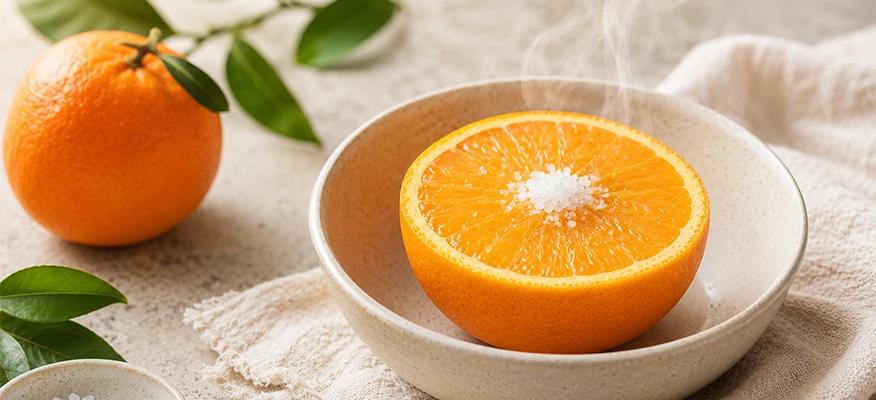
Steamed orange for cough is a traditional remedy in which a lightly salted orange is steamed until soft, then eaten warm to soothe throat irritation and ease mild, phlegmy coughs. Popular in Asian households for generations, it offers gentle, food-based comfort when a short-term cough or early cold symptoms leave you wanting something simpler than over-the-counter medicine. Here’s what it is, what the evidence says, how to prepare it, and when to choose medical care instead.

Quick answer: What is steamed orange?
Steamed orange for cough is a traditional home remedy in which a salted orange is steamed until soft, then consumed with the warm fruit and juice. It is commonly used to soothe throat irritation, loosen mucus, and provide comforting warmth during mild coughs and colds. The remedy takes about 25–30 minutes to prepare and is best used for wet or phlegmy coughs as part of supportive care alongside rest, hydration, and proper medical treatment when needed.
What is steamed orange for cough?
Steamed orange for cough is a traditional remedy in which a whole orange is lightly salted and steamed until soft, then eaten warm to potentially soothe throat irritation and ease cough discomfort. It is commonly used as a natural cough remedy for mild wet coughs, phlegm buildup, and throat irritation during colds.
In Traditional Chinese Medicine (TCM), warm citrus preparations are believed to help “transform phlegm,” support respiratory comfort, and reduce dampness in the body. The combination of warmth, citrus, and salt is traditionally used to ease congestion and make mucus easier to expel.
This remedy is most commonly used for:
- Wet or phlegmy coughs
- Mild throat irritation
- Early cold symptoms
- Chest congestion linked to mucus buildup
Does steamed orange really work for cough?
While there are no clinical trials specifically testing steamed orange with salt for cough, its potential benefits come from the well-documented effects of two of its components: vitamin C and warm fluids.
The salt is a traditional addition rather than an evidenced one. Evidence supports several underlying mechanisms that can make this home remedy for cough genuinely comforting, though it should be viewed as supportive rather than curative.
- Vitamin C's role in immune function
Oranges are rich in vitamin C, an essential nutrient that supports immune function and helps the body respond to infections. Research suggests that adequate vitamin C intake may slightly reduce the duration and severity of common cold symptoms in some people. Vitamin C also supports the body’s natural defenses and helps protect cells during illness-related stress. - Citric acid's action on mucus
Oranges naturally contain citric acid, which may help stimulate saliva production and make the throat feel more moisturized. Warm citrus fluids may also help loosen thick mucus and reduce the feeling of congestion in the throat. However, people with acid reflux or sensitive throats may find citrus irritating. - Warm liquid benefits for throat soothing
Warm fluids are widely recommended for coughs and upper respiratory infections because they help soothe throat irritation, support hydration, and improve comfort. Like warm tea or broth, steamed orange may temporarily reduce the urge to cough. - Honey: the best-evidenced addition
If you stir in the optional honey, you are adding the single best-evidenced ingredient in this remedy. A Cochrane review found that honey probably relieves cough symptoms better than no treatment or placebo and may reduce cough duration. Honey should never be given to children under one year of age. - Limitations and realistic expectations
This remedy should be viewed as supportive care rather than a cure. It may help you feel more comfortable during mild illnesses, but it does not treat serious infections or chronic respiratory conditions. Steamed orange is not a replacement for medical treatment for conditions such as asthma, pneumonia, or persistent chronic coughs.
What type of cough does this remedy help with?
Steamed orange for cough is traditionally used for wet or phlegmy coughs rather than dry or chronic coughs.
A wet cough produces mucus or phlegm and often feels heavy or congested. A dry cough usually feels scratchy and produces no mucus. Since steamed orange is commonly used to loosen mucus and soothe irritation, it may be more helpful for productive coughs.
| Cough Type | Typical Symptoms | Suitability of Steamed Orange |
| Wet/Productive Cough | Mucus, chest congestion, phlegm | Most suitable |
| Mild Dry Cough | Scratchy throat, irritation | May provide temporary comfort |
| Allergy-Related Cough | Triggered by allergens, sneezing | Limited effectiveness |
| Asthma-Related Cough | Wheezing, chest tightness | Not recommended as primary treatment |
| Chronic Cough | Lasts more than 8 weeks | Requires medical evaluation |
| Reflux-Related Cough | Heartburn, worse when lying down | Citrus may worsen symptoms |
Note: This remedy may not be effective for coughs caused by asthma, severe infections, allergies, or acid reflux.
Health benefits of steamed orange with salt

This traditional remedy offers several supportive benefits through its natural components, though these should be understood as complementary to proper rest and medical care when needed.
Respiratory and throat benefits
The warming preparation method enhances the orange's natural properties for respiratory comfort.
- Loosens phlegm and mucus: Warm fluids can help loosen thick mucus and make coughing more productive. The warmth of the steamed orange may help ease chest congestion and support mucus clearance.
- Soothes throat irritation: The warm juice and softened fruit may help coat and soothe an irritated throat, especially when coughing frequently.
- Eases coughing fits: Hydration and warmth may reduce throat dryness and temporarily calm mild coughing episodes.
Immune system support
The nutritional profile of oranges provides genuine immune-supporting benefits during illness.
- High vitamin C content: Oranges naturally contain vitamin C, which supports immune function and helps maintain the body’s natural defences during illness.
- Antioxidant properties: Oranges also contain antioxidants such as flavonoids that may help protect cells from oxidative stress during infections.
Hydration and comfort
Recovery from respiratory illness requires adequate fluid intake and comfort measures that support rest and healing.
- Fluid intake during illness: Proper hydration is important during respiratory illnesses because fluids help thin mucus and support recovery.
- Warmth for congestion relief: Warm foods and drinks can provide relief from congestion, throat irritation, or mild cold symptoms.
How to make steamed orange for cough relief (step-by-step)
Creating this traditional remedy requires simple ingredients and basic kitchen equipment, but proper technique ensures the best therapeutic and taste results.
Ingredients you'll need
- 1 medium navel orange (any sweet local orange or mandarin works)
- ¼–½ teaspoon sea salt (for sprinkling inside the orange)
- Optional: ½–1 teaspoon honey (added after cooling slightly, if desired and appropriate for you)
Equipment needed
- Steamer or steaming pot with lid (stovetop preferred)
- Small heat-safe bowl or dish to hold the orange
- Fork or skewer (to puncture the orange flesh)
- Spoon for eating the cooked orange and sipping juice
Preparation instructions
Follow these numbered steps for the traditional preparation method that maximizes both safety and effectiveness:
- Clean the orange
Rinse the whole orange under running water, gently scrubbing the skin to remove surface dirt, wax, or residues. - Optional: Soak in salt water (15–20 minutes)
Prepare a bowl with ½–1 teaspoon salt dissolved in water. Soak the orange for 15–20 minutes to clean the peel more thoroughly and potentially remove surface pesticides. - Cut the top and create a cap
Slice off about 1–2 cm from the top of the orange to create a removable "lid." Keep this piece aside for later use. - Add salt and prick the flesh
Use a fork or skewer to poke multiple holes into the exposed pulp, penetrating the segments without piercing through the bottom. Sprinkle ¼–½ teaspoon sea salt over the exposed flesh, allowing it to dissolve and seep into the fruit. - Replace the cap and place in a dish
Put the cut "lid" back on the orange. Place the whole orange upright in a small heat-safe bowl to catch the juice while it steams. - Steam for 20–25 minutes
Place the bowl into your steamer or pot with a steaming rack and adequate water. Cover with a lid and steam over medium heat for 20–25 minutes, until the orange becomes very soft and aromatic. - Serving and consumption method
Carefully remove the bowl and let it cool until warm but not burning hot. Peel away the softened skin, eat the warm orange segments with a spoon, and drink the collected juice. If using honey, stir it in after the mixture cools below 40°C.
Recipe variations and customizations
While the basic recipe yields satisfactory results, small modifications can enhance the remedy's effectiveness to suit different preferences and needs.
Adding honey for extra soothing
Honey can add additional throat-soothing benefits and improve taste.
- Add honey after steaming, once the orange has cooled slightly
- Use about 1/2 to 1 teaspoon
- Honey may help calm throat irritation and nighttime coughing
Note: Do not give honey to children under 1 year old.
Other beneficial additions
- Ginger: A thin slice of fresh ginger added to the steaming bowl (not inside the orange) infuses a mild, spicy warmth. Ginger is widely used in traditional remedies for coughs and colds, and it complements the TCM concept of warming the lungs and dispersing cold.
- Lemon: A small squeeze of fresh lemon juice after cooking provides extra vitamin C and bright flavor, though excessive acidity may irritate those prone to reflux.
Tips for best results
Maximizing the effectiveness and safety of your steamed orange recipe requires attention to several practical details.
- Use a sweet variety when possible — navel oranges, local sweet oranges, or mandarins are easier to eat warm
- Prefer stovetop steaming for even heating
- Consume the remedy while warm, not hot
- Try using it in the evening before bedtime
- Continue for 3–5 days during mild cold symptoms
Common mistakes to avoid
Avoiding these frequent errors ensures both safety and optimal therapeutic benefit from your natural cough remedy.
- Using too much salt, which can make the remedy unpleasant
- Not puncturing the orange deeply enough for the salt to absorb
- Eating the orange while too hot
- Expecting immediate or dramatic results after one serving
How to store and how long it lasts
Steamed orange is best consumed fresh immediately after preparation.
If necessary:
- Store leftovers in the refrigerator for up to 24 hours
- Reheat gently before consuming
- Avoid preparing multiple servings far in advance
- Fresh preparation provides the best taste, texture, and warming effect.

Safety considerations: Who should be careful?
Steamed orange with salt is generally safe for most adults when used occasionally as a home remedy. However, certain groups should be cautious:
- Young children should only consume cooled portions under supervision
- People with diabetes should monitor sugar intake, especially if adding honey
- Those with acid reflux may experience worsening symptoms from citrus
Seek medical care instead of relying on home remedies if you experience:
- Difficulty breathing
- High fever
- Chest pain
- Persistent cough lasting more than 2 weeks
Disclaimer: This information is for educational purposes only and does not constitute medical advice. Always consult healthcare providers for persistent or concerning symptoms.
When to seek medical care for your cough
Home remedies may provide temporary relief, but the CDC advises seeing a healthcare provider when cold or cough symptoms worsen or do not improve. Some symptoms require professional medical attention.
Seek medical care if you experience:
- Shortness of breath
- Wheezing or chest tightness
- Coughing up blood
- Fever lasting more than 3 days
- Severe fatigue or dehydration
- Cough lasting longer than 2 weeks
Steamed orange for cough should be viewed as complementary supportive care, not a replacement for medical treatment.
Conclusion
Steamed orange for cough offers a gentle, time-tested approach to easing throat discomfort and supporting your body during mild respiratory symptoms. This traditional remedy combines the immune-supporting role of vitamin C with the soothing warmth of steam and fluids in one comforting preparation.
While it may not replace modern medicine for serious conditions, this natural cough remedy can be a useful supportive option during mild illness. The simple act of preparing and slowly consuming warm, nourishing food also provides comfort during times when you're not feeling your best.
Try this remedy when you're dealing with a mild wet cough or throat irritation, but always listen to your body and seek medical care when symptoms are severe or persistent. The best results come from pairing traditional comfort remedies with sound medical care.
Meet our expert

Meet our expert
Dr. Lynda Odoh-Anikwe, holding a Bachelor of Medicine and Bachelor of Surgery (M.B.B.S) degree, she pursued her Master of Public Health (MPH) at the University of Manchester. Actively engaged in advancing preventive healthcare, she is a member of the Society of Lifestyle Medicine Nigeria. Dr. Odoh-Anikwe aims to attain certification as a Lifestyle Medicine Physician from the International Board of Lifestyle Medicine by the final quarter of 2022.



How was the experience with article?
We'd love to know!