
You might not expect your morning brew to turn into a tummy ache, but many people discover that coffee and bloating go hand in hand. Coffee is hugely popular, but its acidic, stimulating brew can disrupt digestion for you.
Steaming hot coffee jump-starts your day, but if your stomach soon feels uncomfortably full or windy, the culprit could be in your cup. And of course, add-ins like milk, cream, or artificial sweeteners may worsen the problem.
In this article, we’ll understand if coffee can cause bloating and gas, and explore every aspect of it that you need to know.
If you’ve ever felt uncomfortable, gassy, or unusually full after your morning coffee, you’re not alone. Many people experience digestive discomfort after drinking coffee, especially on an empty stomach. Understanding why this happens can help you enjoy coffee without the unwanted bloating.
Can Coffee cause bloating?
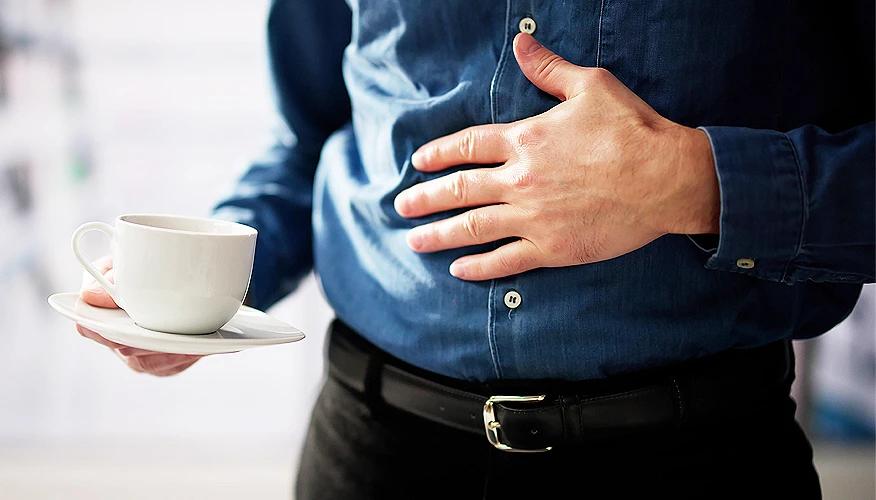
Yes, coffee can cause bloating in some people. Coffee naturally stimulates the production of stomach acid and increases gut movement, which can lead to gas buildup and a feeling of fullness or abdominal pressure.
The caffeine in coffee speeds up digestion and may cause the intestines to contract more strongly, sometimes trapping gas and creating discomfort. Coffee can also relax the lower esophageal sphincter, allowing acid to move upward and contribute to reflux and a bloated sensation. Even black coffee can trigger these symptoms, especially when consumed on an empty stomach.
In addition, add-ins like milk, cream, or artificial sweeteners may worsen bloating, particularly for people with lactose intolerance, IBS, or acid reflux. While some individuals tolerate coffee well, others may need to reduce intake, switch to decaf, or drink it with food to minimize digestive discomfort.
Can Caffeine Cause Bloating?
Yes, caffeine can cause bloating in some people. Caffeine is a natural stimulant that speeds up digestion and increases intestinal contractions. While this can help move food through the gut, it may also trap gas and create a bloated feeling.
Caffeine also increases stomach acid production, which can irritate the digestive lining and lead to discomfort, especially when consumed on an empty stomach. In sensitive individuals, this can result in gas, abdominal pressure, and a swollen feeling. In addition, caffeine may affect gut hormones like cortisol and adrenaline, making the digestive system more reactive.
This can increase the chances of bloating, particularly in people with IBS, acid reflux, or a sensitive stomach. While coffee is a major source of caffeine, other caffeinated drinks like tea, energy drinks, and sodas can also contribute to bloating.
How Coffee affects Digestion and gut hormones?
Coffee doesn’t just wake you up — it also activates several digestive processes in your body. It stimulates the release of gastrin, a hormone that increases stomach acid production. At the same time, caffeine can raise cortisol and adrenaline levels, which may make your gut more sensitive and reactive.
These combined effects can lead to faster gut movement, increased acid levels, and a higher chance of gas buildup, especially in people with sensitive digestion.
Why coffee causes bloating?
Coffee can cause bloating because it directly affects your stomach acid levels, gut movement, and digestive muscles. For some people, these effects lead to gas buildup, abdominal pressure, and a swollen feeling in the belly.
Here’s exactly why it happens:
1. Coffee increases stomach acid
Coffee stimulates the production of gastric acid. Extra acid can irritate the stomach lining and cause a heavy, uncomfortable feeling. When acid production rises too quickly — especially on an empty stomach — it may lead to cramping and bloating.
2. Caffeine speeds up digestion
Caffeine stimulates the gut and increases intestinal contractions. While this can help relieve constipation, it can also push food and gas through the digestive system too quickly. This rapid movement may trap gas, leading to bloating and discomfort.
3. It relaxes the Lower Esophageal Sphincter
Coffee can relax the lower esophageal sphincter (the valve that keeps stomach acid from flowing upward). When this valve relaxes, acid may move upward, causing reflux and a bloated sensation.
4. Coffee Contains Fermentable Compounds
Coffee contains small amounts of soluble fibers (like galactomannans) and other compounds that can ferment in the colon. Fermentation produces gas, which can expand the abdomen and cause bloating. Coffee may also influence the gut microbiome. While moderate coffee consumption can support beneficial bacteria in some people, it may increase fermentation and gas production in sensitive individuals. This can contribute to bloating, especially in those with IBS or digestive sensitivity.
5. Add-Ins Can Worsen the Problem
Milk, cream, flavored syrups, and artificial sweeteners may increase bloating — especially if you are lactose intolerant or sensitive to sugar alcohols. Artificial sweeteners such as sorbitol, xylitol, and other sugar alcohols can ferment in the gut and produce gas. Flavored syrups may also contain high-FODMAP ingredients that trigger bloating in people with IBS. If you are sensitive, keeping your coffee simple and limiting sweeteners may significantly reduce symptoms.
6. It May Trigger Sensitive Guts
People with:
- IBS
- Acid reflux (GERD)
- Gastritis
- High caffeine sensitivity
are more likely to experience bloating after drinking coffee.
In Simple Terms
Coffee “wakes up” your digestive system. For some people, that stimulation feels helpful. For others, it leads to excess acid, faster gut movement, and gas buildup — which results in bloating.
If you notice bloating after coffee, try:
- Drinking it with food
- Switching to low-acid or decaf coffee
- Reducing portion size
- Avoiding dairy-based versions
If bloating is severe, persistent, or accompanied by pain or weight loss, consult a healthcare professional.
Does cutting out coffee help with bloating?
It often does. If coffee is your main trigger, giving it up can bring relief. Patients who avoid coffee regularly report fewer stomach pangs and less fullness. Medical guides advise that if you notice bloating every time you drink coffee, try reducing your intake or switching to decaf. In practice, many find that going a week or two without coffee lets their gut reset. Our bodies crave routine, so when you suddenly stop the acid-and-caffeine barrage, your stomach acid production and gut hormones calm down.
Just remember that bloating can have other causes too (like IBS or food intolerances), so cutting coffee is one piece of the puzzle.

Other possible causes of bloating
While coffee can contribute to bloating, it may not always be the main cause. Other common triggers include:
- Irritable bowel syndrome (IBS)
- Food intolerances (like lactose or gluten)
- Hormonal changes
- Stress and anxiety
- Constipation or slow digestion
Identifying the root cause is important if bloating happens frequently.
Who is more likely to experience coffee bloating?
Some guts are more sensitive than others. Here are those who are more likely to experience coffee bloating:
- People with IBS may have worse gas and bloating from coffee (linked to 44% higher odds of IBS in regular drinkers).
- If you’re someone with a higher BMI, you may feel caffeine’s gut effects more strongly.
- If you already struggle with GERD, acid reflux, or gastritis, you may experience aggravated symptoms, especially with 4 to 5+ cups daily.
- If you’re lactose intolerant, milk-based coffee drinks can worsen bloating.
- Women (especially during pregnancy or hormonal shifts) may metabolize caffeine more slowly, increasing GI discomfort.
Studies suggest that a significant percentage of people with lactose intolerance experience bloating after consuming dairy-based coffee drinks.
Symptoms of coffee-induced bloating
If coffee’s to blame, you’ll probably notice certain patterns.
- Bloating from coffee often feels like a tight, stretched sensation in your belly. People commonly report a feeling of fullness or pressure soon after drinking coffee.
- You might also notice more belching or burping than usual. Sometimes there’s a bit of sharp pain or cramping, often in the upper or mid abdomen, along with that bloated feeling.
- And of course, extra gas is part of the deal; you may feel gassy or actually pass more wind.
In the Jordanian study, about half of the coffee drinkers experienced fullness and bloating or belching as GI symptoms. These symptoms can come on shortly after your coffee or even linger for hours, making your stomach feel uncomfortable long after you’ve taken the last sip.
Does black coffee cause bloating?
An empty stomach and strong brew can especially trigger bloating trouble. For some people, drinking black coffee first thing can reduce the acid your stomach will need for digestion later, meaning it leaves you vulnerable to cramps and bloating.
Can decaffeinated coffee cause bloating?
Decaf isn’t a guaranteed fix. Despite having most of the caffeine removed, decaf coffee still contains acidity and other gut-stimulating compounds. It can still spike gastrin and increase stomach acid, just a bit less powerfully.
That said, if you’re particularly sensitive to caffeine itself (for example, if you get the jitters or heart palpitations), switching to decaf might help with the most intense acid response.
Which type of coffee is less likely to cause bloating?
Not all coffee affects your stomach in the same way. Some types may be gentler on digestion:
- Dark roast coffee: Less acidic, easier on the stomach
- Cold brew coffee: Lower acid content, smoother digestion
- Espresso: Strong but consumed in smaller amounts
- Milk-based coffee: May cause bloating due to lactose
Choosing the right type of coffee can help reduce bloating symptoms without giving it up completely.
Does coffee bloat or debloat?
Coffee can actually do both. It tends to act like a natural laxative, where it de-bloats by relieving constipation. Its acids boost gastrin and other hormones, sending a strong signal to your bowels to empty.
On the flip side, coffee can definitely bloat you by causing gas and swelling, as discussed. The net effect depends on where your problem starts. If you tend to feel bloated because you’re backed up, a cup might ease it. But if the bloating is due to acid irritation or bacterial fermentation of food, coffee can intensify it.
How much coffee can cause bloating?
There is no single amount of coffee that causes bloating for everyone, as tolerance varies from person to person. However, many adults can safely consume up to 400 mg of caffeine per day (about 3–4 cups of brewed coffee). Drinking more than this may increase the risk of digestive discomfort, including gas, acid reflux, and bloating.
Some people with sensitive stomachs, IBS, or acid reflux may feel bloated after just one or two cups, especially if coffee is consumed on an empty stomach. Strong brews, large serving sizes, and multiple cups throughout the day can also increase stomach acid and speed up gut movement, which may trap gas and cause abdominal swelling.
If you regularly feel bloated after drinking coffee, your personal tolerance may be lower than the general recommendation. Reducing your intake gradually and monitoring how your body responds can help you identify your ideal limit.
Can avoiding coffee reduce bloating?
Yes, avoiding coffee can reduce bloating, especially if coffee is a trigger for your digestive discomfort. Coffee stimulates stomach acid production and speeds up intestinal movement, which may lead to gas buildup, abdominal pressure, and a swollen feeling. For people with sensitive stomachs, IBS, acid reflux, or gastritis, cutting out coffee often helps calm irritation and reduce excess gas. Many individuals notice improvement within a few days to a couple of weeks after stopping. However, bloating can also be caused by other factors such as diet, food intolerances, or stress, so eliminating coffee may not completely solve the problem for everyone. If symptoms improve after avoiding coffee, it’s a strong sign that your body may be sensitive to caffeine or coffee’s acidity.
How to reduce bloating caused by Coffee
If coffee is causing bloating, these simple changes can help:
- Avoid drinking coffee on an empty stomach
- Limit intake to 1–2 cups per day
- Switch to low-acid or cold brew coffee
- Try lactose-free or plant-based milk
- Avoid artificial sweeteners
- Drink enough water throughout the day
Small adjustments can make a big difference in how your body reacts to coffee.
When to see a doctor
Most of us have had a day where we overdid the coffee and felt bloated. Usually, this settles in a few hours once you’re back on your feet. However, if bloating persists or worsens, or is accompanied by alarming symptoms, it’s time to get medical advice.
Also, if you see blood, have unexplained weight loss, fever, or vomiting along with bloating, those are red flags requiring evaluation.
To know what foods are good for the gut, explore our flipbook: Good Foods For The Gut
Conclusion
Coffee can cause bloating and gas, especially if your stomach is sensitive. Its acid and caffeine can speed digestion, relax the stomach valve, and increase gas. For some people, cutting back or switching to decaf helps. Pay attention to how your body reacts after each cup.
If you find yourself bloated frequently, consider cutting back a bit and see if that helps with your symptoms! If you notice any pain, weight loss, or other warning signs, it's a good idea to chat with a doctor. It's important for you to feel at ease and healthy.
Meet our expert

Meet our expert
Sharina Farhana Binti Mohd Merah is a registered Dietitian since 2022, who is passionate in helping people achieve health through Nutrition.



How was the experience with article?
We'd love to know!