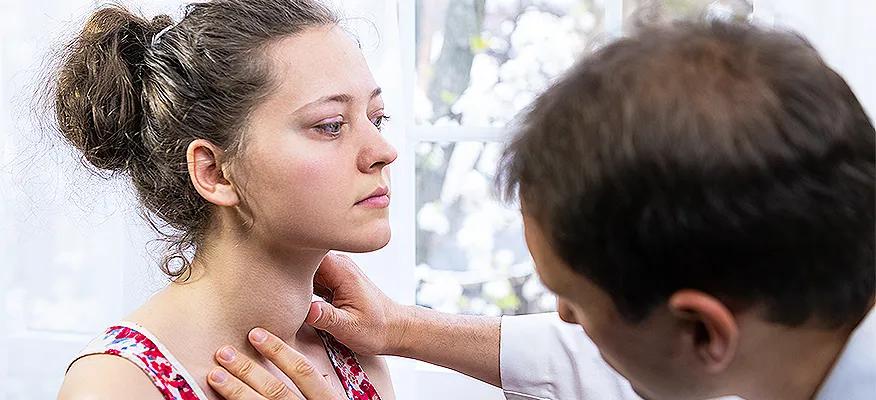
For many people, a thyroid diagnosis is already a lot to take in. But when your eyes start to feel irritated, swollen, or look noticeably different, it can be both alarming and disorienting. This is where Thyroid Eye Disease, or TED, enters the picture, which is an autoimmune condition that affects not just your body chemistry, but your everyday experience of the world around you.
The earlier it’s identified, the better the chances of avoiding long-term complications. Knowing what to watch for is the first step toward protecting your vision and feeling like yourself again.
What Is Thyroid Eye Disease?
Thyroid Eye Disease, sometimes called Graves’ ophthalmopathy, is an autoimmune condition where the body mistakenly attacks the eye muscles and surrounding eye tissue. It most commonly occurs in people with hyperthyroidism eyes, especially those with Graves’ disease, but it can also appear in those with normal or low thyroid levels.
People with thyroid symptoms in male and female patients alike are at risk, but TED is more frequent in women and those over the age of 40. It often goes hand in hand with abnormal thyroid levels, meaning that if your thyroid isn’t functioning properly, your eyes could be at risk, too.
Common Thyroid Eye Disease Symptoms
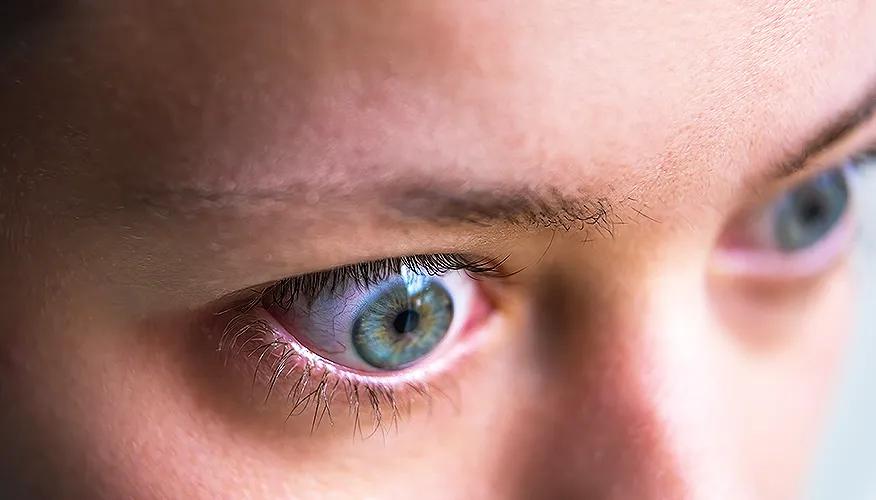
Many of the eye problems have common indicators, so it might be difficult to pinpoint the issue. The thyroid eye disease symptoms include:
1. Proptosis
One of the hallmark signs of TED is bulging eyes, also called protruding eyes or proptosis eye. This occurs as the inflamed tissue pushes the eye forward, creating a startled or glazed eyes appearance.
2. Eye redness and swelling
It can make it look like you’ve been crying or are allergic to something. This inflammation is a result of immune cells attacking the eye tissue.
3. Dry or watery eyes
Many people experience either dryness or over-liquidity in their eyes, both caused by disrupted tear production. This may worsen in windy or dry conditions.
4. Double vision (Diplopia)
Misalignment of the eyes due to swollen eye muscles can result in double vision causes, causing it to be hard to read, drive, or perform daily tasks.
5. Sensitivity to Light
If your eyes have become more sensitive to light, it is another sign that your eyes are inflamed and struggling to adjust.
6. Eye Pain or Pressure
TED can lead to eye ache, especially when moving your eyes. You might also feel eye pressure, particularly just behind the eyes.
Causes and Risk Dactors
1. Hyperthyroidism Eyes (Graves’ disease).
It is a medical condition where the immune system attacks the thyroid gland, causing it to produce too much thyroid hormone. This speeds up the bodily functions.
2. Autoimmune Response
TED is primarily caused by an overactive immune system targeting the eye muscles and eye tissue, mistakenly identifying them as foreign invaders.
3. Smoking
This one is a major factor when it comes to increasing the risk of thyroid eye disease symptoms. Quitting—known as smoking cessation—can slow the disease and improve thyroid eye disease treatment outcomes.
4. Age and Gender Prevalence
Middle-aged women are the most commonly affected, but thyroid symptoms in male patients can still appear, especially with poor thyroid function tests.
Complications if Untreated
You must never ignore the thyroid eye signs, as doing so can cause serious and incurable conditions. Some of these may include:
- Vision problems because of eye misalignment or swelling.
- Optic nerve compression can cause permanent vision loss if untreated.
- Corneal damage, especially in severe proptosis eye cases.
Diagnosis of Thyroid Eye Disease
The diagnosis of eye problems is a multi-step process:
Step 1: Eye Exam and Symptom Check
The doctor looks for common signs (the symptoms). It may include bulging eyes, swelling, or double vision.
Step 2: Imaging Tests
The motive here is to look what is actually happening inside your eye check for swollen muscles or other changes in the eye socket.
Step 3: Thyroid Function Tests
Simple blood tests (like TSH, T3, and T4) show how your thyroid is working, the thyroid levels and help confirm a thyroid-related cause, especially when thyroid eye disease symptoms are noticeable.
Treatment Options
There is not just a single thyroid eye disease treatment as it is subject to the cause, the severity of symptoms, and the progression state and rate of the issue. The healthcare professionals may prescribe:
- Medications: Doctors may suggest medicines with specific salts for Graves ophthalmopathy treatment. These may include corticosteroids to work on inflammation or anti-thyroid drugs to control hyperthyroidism eyes.
- Eye drops/lubricants: The purpose of eye lubricants is to help you with dryness, watery eyes, and eye pain by increasing moisture for a better eye surface comfort and protection.
- Orbital Radiotherapy or Surgery: A specific type of radiation therapy specifically aimed at the tissues in the orbit (eye socket). Here, high beams are used to reduce inflammation.
- Lifestyle factors: The way you live makes a major impact on your overall health, including your eyes and thyroid. If you have a habit of smoking, prefer smoking cessation. Don't forget to wear glasses for eye protection when the sun is high in the sky.
Prevention and Monitoring

You can’t always prevent TED, but you can reduce your risk and catch it early.
- Get regular thyroid and eye check-ups, especially if you have Graves ophthalmopathy or abnormal thyroid levels.
- Recognize early thyroid eye signs, be it glazed effect or eye redness and swelling.
- Monitor any changes in double vision causes or eye pressure.
Being proactive is your best defense against the possibility of worsening thyroid eye disease symptoms.
Conclusion
If you or someone you love notices eye changes like discomfort, swelling, or vision issues, don’t ignore them as just fatigue or age. Thyroid Eye Disease can feel frightening, but it’s manageable — especially when caught early. It affects many people worldwide, with women more commonly impacted. Paying attention to symptoms and seeking medical advice early can help protect your vision and improve quality of life. Even small changes can make a big difference.
Meet our expert

Meet our expert
Dr. Inna Anatolyivna Kirilyuk graduated from Vinnytsia National Medical University in 2008, marking the inception of her remarkable journey in healthcare. Following her graduation, Dr. Kirilyuk embarked on a path of continuous learning and specialization.


How was the experience with article?
We'd love to know!