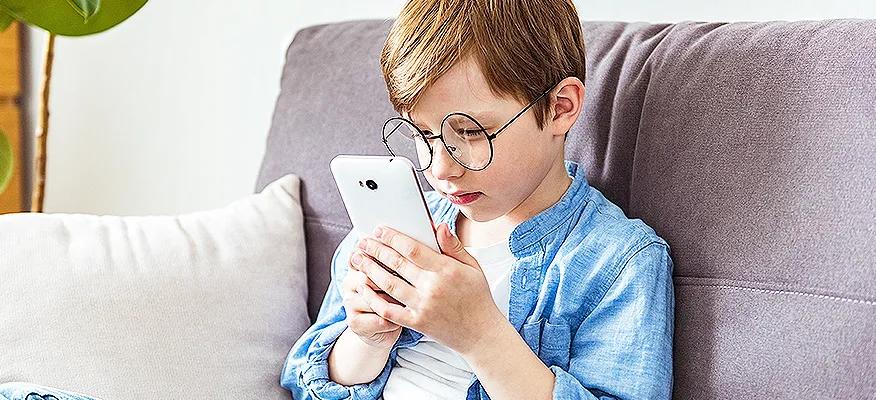
If your child struggles to see the whiteboard clearly but has no trouble reading a book up close, they may be dealing with myopia, also known as nearsightedness. This increasingly common condition affects millions of children worldwide, and it's on the rise—especially in today’s screen-heavy, indoor lifestyles.
As a parent, it's natural to wonder: Can myopia be cured? Or at the very least, can it be stopped from getting worse? The concerns are valid and necessary when it impacts roughly one in three children and adolescents.
In this guide, we’ll explore what myopia in children really means, what causes it, how to manage it effectively, and what every parent can do today to protect their child’s vision for years to come.
What is myopia?
Myopia is one of the eye issues where the eyesight becomes subjectively blurry, depending on the distance. That is, distant objects appear blurry, while close-up objects remain clear.
This refractive error has several reasons, including:
- The eyeball is too long or the cornea is too curved
- Light focuses in front of the retina instead of directly on it
Myopia in children is different from other common vision problems, such as farsightedness (difficulty seeing close objects) or astigmatism (distorted vision at all distances). Recognizing the difference is key to managing it early.
Causes of myopia in children
There are several reasons why your child might develop myopia. Understanding these can help you take steps to slow its progression while looking for answers to can myopia be cured.
1. Genetics
If you or your partner wear glasses, there’s a higher chance your child will too. Causes of myopia in children often include family history.
2. Environmental factors
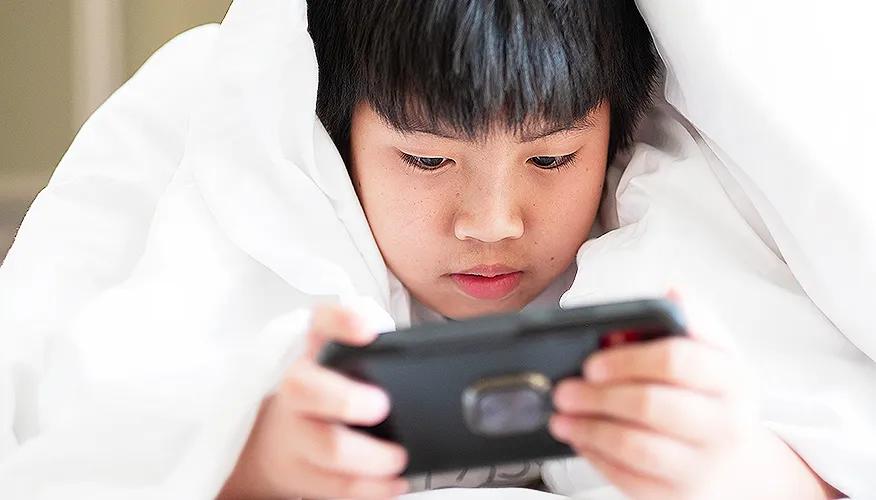
Today’s kids spend hours on screens—phones, tablets, computers—every day. These environmental factors, combined with less time outside, have been linked to rising rates of myopia in kids.
3. Rapid eye growth
Children’s eyes grow quickly. If that growth is too fast or too long, it can lead to myopia. The earlier it starts, the more likely it is to become severe. Lack of outdoor activities means less exposure to natural light, which researchers believe may play a role in healthy eye growth.
Can Myopia be Cured?
The major question that parents ask is “Can myopia be cured”?
The short answer is no, there is no permanent cure for now, but nearsightedness in children can be managed with conscious actions.
Many parents also wonder: Can myopia be cured naturally? Irrespective of the claims online, there’s no research-backed evidence that the diet, vitamins, or natural remedies can cure myopia in kids.
That said, detecting it early and following proper management management plan can make all the difference. Myopia control in children is possible and rather indispensable to prevent long-term issues.
Treatment & Management Options
There are many strategies to manage the condition in children. Let’s have a look at them:
1. Prescription Glasses & Contact Lenses
A majority go for prescription glasses as they are easily adaptable way to correct blurry distance vision. However, the downside is that the child may require new prescriptions as and when, since their eyes regularly grow.
Another option is contact lenses for children, especially for those who hate the idea of wearing glasses all the time.
2. Orthokeratology
These are the overnight lenses, which temporarily reshape the cornea. It can take up to two weeks to attain the maximum vision with this method, including several lenses (usually 3).
Nevertheless, this method is associated with eye infections, so consult your eye specialist before following.
3. Atropine Eye Drops
These eye drops are used to dilate the pupil or relax the muscles in your eyes, thereby having several uses.
Low-dose atropine, typically 0.01% to 0.05%, has been shown to effectively slow the progression of nearsightedness. This is preferred by many over contact lenses for children owing to easier usage.
4. Laser Surgery
In this medical advancements are implied to corneal tissue underneath to correct the eye's refractive error. However, this one isn’t for young kids.
Success rates are high, although suitability and results can vary depending on factors like the severity of the myopia, corneal thickness, and other individual eye characteristics.
Lifestyle Changes to Slow Progression
The answer to ‘can myopia be cured naturally’ is no. But the speed at which it is progressing can be slowed down with some steps.

1. Limiting Screen Time
Long and uninterrupted sessions of screen time affect eye health. You must try to eliminate screens completely. If that isn't a possibility, encourage a short break every 20 minutes or so.
2. Encouraging Outdoor Activities
If your kid spends just 1–2 hours a day outside, it can help reduce the risk of developing nearsightedness in children. On top of that, exposure to natural light may help slow abnormal eye growth.
3. Eye Exercises
It is true that eye exercises for better vision won’t cure myopia; but, they can help wuth the strain one puts on their eyes. You may go for simple practices like focusing on distant objects.
Make sure your child also uses proper lighting while reading or doing homework to minimize vision problems caused by strain.
When to See an Eye Specialist
Many wonder “can nearsightedness cause blindness?” This is dependent on the extent of myopia and the duration of delay to consult an ophthalmologist.
1. Signs to Take Care:
If you notice your child behaving differently, especially with these actions, book a doctor’s appointment:
- Squinting
- Frequent headaches
- Having blurry distance vision
- Sitting too close to the TV or holding books very near
- Rubbing eyes often
These may be signs of rapid myopia progression or other vision problems.
2. Regular Eye Check-ups
There is a possibility that you do notice any of the symptoms distinctly or just miss them completely; thus, it is advisable to have routine eye exams:
- By age 3: First vision screening
- Before starting school: A complete eye exam
- Annually: Once school begins, yearly check-ups are important, especially if your child already wears glasses or has a family history of myopia
Conclusion
Raising a child in today’s digital world brings new challenges, including rising vision issues and questions like can myopia be cured. While myopia can’t be cured, it can be effectively managed with the right care and guidance. Stay alert to changes in your child’s vision or behavior, and don’t hesitate to consult an eye specialist about management options. Staying informed and acting early can help protect your child’s long-term eye health.
Meet our expert

Meet our expert
Dr Bright is a member of the Fellowship of Christian Optometrist international and a Clinical Research supervisor.

How was the experience with article?
We'd love to know!