For many, it is the fitness dream to have a leaner, stronger, and more sculpted body, all while feeling more energized. But to attain this dream, they stumble on many hurdles, the most common one being to find the answer to how to lose fat and gain muscle.
Well, focusing on both together pulls the body in opposite directions. For fat loss, you must go for a calorie deficit, but muscle gain requires a surplus. Within a balance of both, you find your answer.
The secret lies in precision and consistency: combining smart nutrition, strategic exercise, and recovery habits that allow your body to burn fat and build lean muscle simultaneously.
Understanding fat loss vs. muscle gain
For fat loss, the body requires you to consume fewer calories than you burn throughout the day. Conversely, if you want to gain muscle, your body needs certain calories and amino acids. The latter one requires hypertrophy, the process of repairing and growing muscle fibers after strength training.
So, can you work on how to lose fat and gain muscle simultaneously? The answer is body recomposition. Here, you will not focus on weight but also on body composition, which is the ratio of fat to muscle.
And yes, fat metabolism and hormones play big roles here. Building muscle increases your resting metabolic rate, meaning you burn more even while watching Netflix. Meanwhile, stable hormones — especially insulin, cortisol, and testosterone — help your body use nutrients more effectively and prevent fat storage.
Nutrition for fat loss and muscle gain
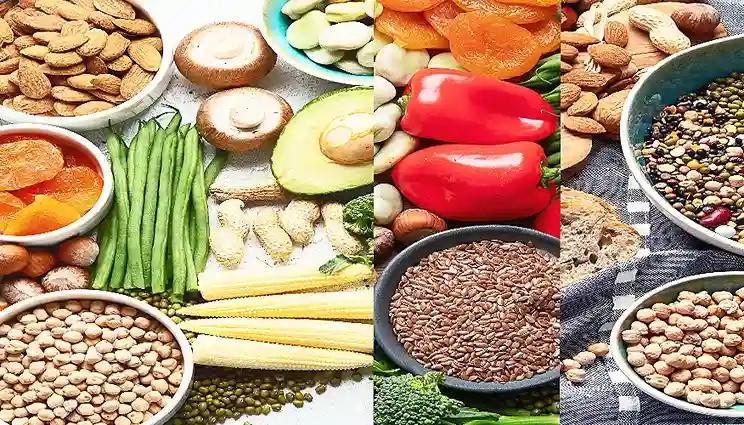
Now, fat and muscle both require some energy in the form of nutrition, but you cannot out-train a bad diet, so do remember to:
1. Make protein your best friend
- Losing fat and gaining muscle is all about eating in moderation what the body needs. Protein is your muscle’s best friend!
- It repairs tissue, preserves lean mass during fat loss, and keeps you feeling full. Aim for around 0.8–1 gram of protein per pound of body weight daily as protein intake for muscle building.
2. Macros are equally important
- While protein is king, don’t ditch carbs and fats. Carbs fuel your workouts and help recovery; fats support hormone health. A good starting split for most people:
- 40% protein, 30% carbs, 30% fats — then adjust based on your goals and energy levels.
Related: On A High-Protein Diet? Here's What Your Plate Should Look Like
3. Meal timing and pre/post-workout nutrition
- Your body needs energy to take on daily actions, and the process of getting energy out of the food you consume takes time. So decide the timing accordingly.
- To make the process better, you also must plan pre and post-workout nutrition and the amount of required calories then.
4. No crash diets or extreme restrictions
You must complete all the body requirements by eating various types of food, but in moderation, and understanding where it is adding up to, like muscle vs fat weight. Fad diets, detoxes, or cutting entire food groups might help you drop a few pounds quickly — but most of that will be water and muscle.
Exercise strategies

The exercises to lose fat and gain muscle include a combination of various types, each with individual objectives. Let’s understand another essential part of how to lose fat and gain muscle.
1. Strength Training
Here, the concern is to build muscles. You must focus on compound movements: squats, deadlifts, pushups, lunges, rows, that work multiple muscle groups at once.
2. Cardio
The aim here is to burn those calories. Mix moderate-intensity steady-state cardio (like brisk walking or cycling) with HIIT (high-intensity interval training) once or twice a week for efficiency and variety.
3. Combine
The best way to lose fat and gain muscle is to have a combination of both. A sample week may look like this:
- Mon: Full-body strength
- Tue: 30-min brisk walk or light cardio
- Wed: Upper-body strength with resistance bands + core
- Thu: HIIT (20–25 min)
- Fri: Lower-body strength
- Sat: Active recovery (yoga, stretch, or hike)
- Sun: Rest
Before you begin, it can help to know how much fat you actually need to lose to reach your goal. Try our fat loss calculator to get a realistic estimate and track your progress smarter.
Recovery and lifestyle factors
Your fitness goal isn’t achievable by cardio and strength training alone, but how you rest as well for muscle recovery.
- Sleep well: When you have a good quantity and quality of sleep, your body releases growth hormone, repairs muscle tissue, and balances hunger hormones like leptin and ghrelin.
- Don’t stress: Chronic stress brings cortisol production, a hormone which leads to fat storage, especially in the belly area, and breaks down muscle tissues; something exactly you don’t want.
- Stay hydrated: You have food and get nutrition out of it. But it is the water which helps in the transportation throughout the body, so do have a water intake goal and stick to it.
Tracking progress
Forget obsessing over the scale when your motive is about “how to lose fat and gain muscle,” as it doesn’t tell the full story.
1. Measure what matters
Use a combination of tools:
- Body fat percentage (via DEXA scan or smart scale)
- Measurements (waist, hips, arms, thighs)
- Performance metrics (how much weight you can lift, how fast you recover)
2. Take progress photos
Photos every 2–4 weeks can reveal subtle changes in muscle tone and definition that numbers can’t show.
3. Adjust As You Go
If you’re losing strength or energy, eat a bit more. If fat loss stalls, increase your activity slightly. Think of this process as an experiment; your body gives feedback, and you fine-tune the formula.
Common mistakes to avoid
Even the best intentions can get derailed by a few classic pitfalls:
1. Doing too much cardio
Endless treadmill sessions might burn calories, but they can also burn out your muscle gains. Strength first, cardio second.
2. Neglecting nutrition
You can’t build muscle on protein bars alone or lose fat while eating mindlessly. Nutrition is 80% of your results.
3. Comparing yourself to others
Everyone’s body responds differently. Your journey is yours, so focus on your own achievements, goals, and everything in between, but not someone else's highlight reel or compare weight. Also, the male muscle growth is different from female muscle growth, so while working out, don't compare and get disheartened.
Conclusion
A sustainable way to lose fat and gain muscle focuses on balanced nutrition, protein intake, consistent strength training, smart cardio, and proper recovery — not extreme dieting. Progressive resistance and regular movement help reshape your body over time.
Track body composition, strength, and energy to fine-tune your plan. Consistency matters more than intensity. Set clear goals, listen to your body, and celebrate small wins for lasting results.
Meet our expert

Meet our expert
Reshma Kulkarni-Pathare is a senior Indian media professional since 1999. She has written for over 45 national and international publications, including The Times of India, Femina, and BBC Good Homes.



How was the experience with article?
We'd love to know!