
When you hear about fitness, what is the first picture that comes to mind? Someone running marathons, someone with a heavy build, or maybe someone lifting heavy weights in the gym? But what if the whole concept is just more than this?
Health-related fitness affects your health and functional ability in everyday life. It's not about how fast you can sprint or how high you can jump — those fall under skill-related fitness (the kind athletes focus on). The health-related fitness definition is about your heart, muscles, flexibility, and body composition working together.
Think of it this way: skill-related fitness might help you win a race, but health-related fitness helps you enjoy the race of life — climbing stairs without huffing or carrying groceries without strain.
Components of health-related fitness

There are five health-related fitness components, each with a unique way of keeping your body in check.
1. Cardiorespiratory endurance
The heart and lungs work together to transport blood across the body; this component is just about that. You may consider this as the engine of your body.
When your endurance is strong, your body can handle everything from brisk walks to weekend hikes without feeling drained. Activities like jogging, swimming, dancing, and cycling all help build it.
2. Muscular strength
This is about the ability to lift, push, or pull heavy things. But, do not confuse it with the appearance of toned body/muscles; rather, it is about supporting bones, protecting joints, and achieving a better posture.
There are simple exercises to improve muscular strength which you can do without any equipment at home; for instance, push-ups, squats, or even some physical labour tasks at home.
3. Muscular endurance
While strength is about how much force your muscles can produce, endurance is about how long they can keep working.
You may think of holding a plank, climbing stairs, or raking leaves for 20 minutes — that's muscular endurance in action. Improving endurance helps you tackle longer bouts of activity without fatigue.
4. Flexibility
A person who isn't flexible can't even think of health-related fitness. It is about the range of motion in your joints and how well your muscles stretch and bend.
You may need more flexibility in your everyday tasks and injury prevention than you anticipate, be it in the form of joint mobility, stretching without pain, or others.
5. Body composition
It refers to the ratio of fat, muscle, bone, and water in your body. A healthy body composition means having a balanced amount of fat and lean tissue.
On a fitness journey, the majority focus on the numbers on the scale but ignore the importance of the ratio of fat and muscle held.
Related:Exercises To Strengthen Muscles and Bone Density
Why health-related fitness matters
The fact is that investing in health-related fitness pays off in more ways than you can imagine. Let’s look into it:
Improves longevity and health overall
- Strengthens the heart and lungs, improving overall cardiovascular function.
- Enhances blood circulation and oxygen delivery throughout the body.
- Boosts immunity and helps your body fight off infections.
- Supports bone density, reducing the risk of osteoporosis.
- Increases life expectancy by keeping your body resilient and efficient.
Reduces risk of chronic diseases
- Reduces the risk of type 2 diabetes by helping to regulate blood sugar and insulin levels.
- Lowers blood pressure and improves cholesterol balance.
- Reduces body fat and supports a healthy weight.
- Improves heart function and reduces the likelihood of cardiovascular disease.
- Supports metabolic health and decreases inflammation.
Helps with your mental well-being
- Reduces symptoms of anxiety and depression.
- Health-related fitness focuses on sleep quality and energy levels, too.
- Improves your focus, memory, and the overall performance of your mind.
- Your self-confidence and self-esteem get a major push.
- Provides a better (healthy) way for managing stress.
Better quality of daily life
When you put consistent effort into your body's fitness, you may notice some positive changes, like:
- Increased daily energy and stamina.
- A better posture.
- Your everyday tasks get easier with better mobility and flexibility.
- Less joint and back pain.
- A stronger sense of independence as you age.
How to improve health-related fitness
- Exercise: This might be the easiest to start yet most difficult to continue step in your health-related fitness journey. To make it easier, you may have exercise routines with different parts like aerobics, strength training, and stretching.
- Balanced nutrition and hydration: Almost everyone plans to have a good diet, but ends up focusing on certain nutrition/types of food more than others, sometimes even more than needed. So have a balanced diet with a great water intake.
- Rest and recover: Your physical body gets stronger during rest, not just during exercise. Make sure to get 7–9 hours of sleep per night and include rest days in your workout schedule.
- Stress management: Chronic stress can sabotage your health goals. Having calming techniques as a part of your workout, you may go with yoga for fitness and health, followed by breathing exercises.
Practical tips for beginners
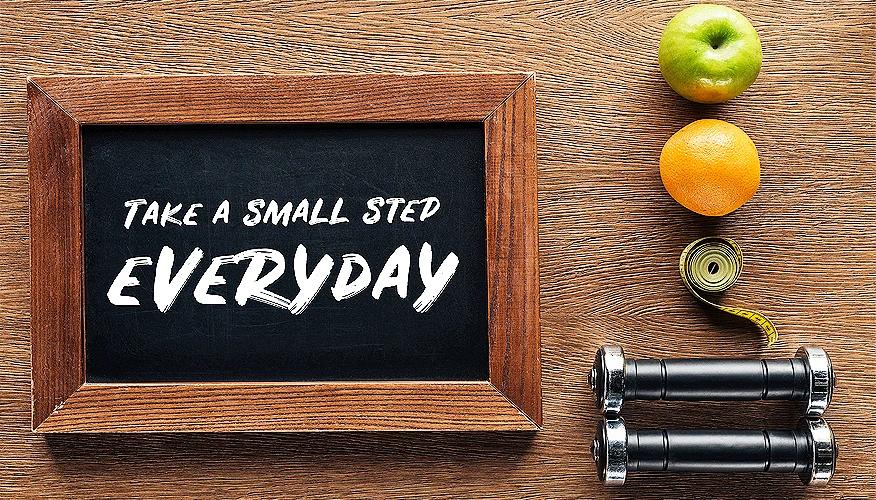
The roadmap of the journey with all the components of fitness is not an easy one to figure out on the first attempt itself. It is a whole process of trying out something, assessing if it works out or not, and thereby making a complete health-related fitness plan.
To make the process easier for you, here are a few practical steps:
- Take small steps: You don't have to do it all in a single attempt, day, or even week. Figure out your speed and process accordingly without overpushing yourself.
- Have a routine that's for you: Every individual is different, and so are the tasks in their daily life. Do not just listen to a fitness influencer and follow exactly. Schedule your movement around your lifestyle, not the other way around.
- Track your progress: This may sound like an unnecessary step at the beginning, but once you experience its impact, it will make all the difference. You may keep a journal, use a fitness app, or celebrate non-scale improvements like better sleep, improved mood, or increased stamina.
Conclusion
Health-related fitness is essential for building a strong, functional body that supports daily activities and long-term health.
By balancing cardiovascular fitness, muscular strength, flexibility, and healthy body composition, you improve energy, reduce injury risk, and lower the chances of chronic disease. Consistent exercise, proper nutrition, quality sleep, and stress management create sustainable results. Prioritizing health-related fitness enhances independence, confidence, and overall physical and mental well-being.
Meet our expert

Meet our expert
Dr. Inna Anatolyivna Kirilyuk graduated from Vinnytsia National Medical University in 2008, marking the inception of her remarkable journey in healthcare. Following her graduation, Dr. Kirilyuk embarked on a path of continuous learning and specialization.



How was the experience with article?
We'd love to know!