
A sip of piping hot tea! Aahh! That’s the only thing you crave "When feeling tired or slightly unwell." The warming, comforting and relaxing feel you get when you sip it makes it a go-to beverage when sick.
Drinking herbal teas is practised all over the world, especially in countries like China, where tea is routine to promote health and reduce the risk of health-related issues like colds to diseases of the liver and other organs.
Herbal beverages are also called tisane, herbal infusion, or botanical infusion to avoid confusion with true teas. They can be made with fresh or dried flowers, immature fruits, leaves, seeds, and roots by steeping (infusion) or boiling (decoction) the source materials including herbs.
Herbal teas consist of one or more herbal substances intended for oral consumption and prepared through decoction, infusion or maceration. Consuming it with a balanced diet may improve the antioxidant status and reduce oxidative stress in humans.
Tea for boosting the immune system such as Matcha tea, White tea, Goji berry tea, Hibiscus tea, Turmeric tea, Green Tea, Black Tea, Ginger Tea, Lemongrass, Licorice Root, Peppermint, Berries, Citrus, Echinacea, Elderberry, Moringa leaf tea are known to have antioxidant, anti-inflammatory, and other health-promoting properties that can boost the immune system.
In this blog, we bring you the best immune-boosting teas that bolster your immunity and fight off the seasonal woes.
How does drinking tea help support the immune system?

Drinking tea is a common practice for many people, but not everyone may be aware of its benefits. Herbal tea is commercially available in various forms including whole dried plant parts, dried powder, dried particles within tea bags, granules, and solutions that can be consumed directly.
- Herbal teas/beverages are rich sources of natural bioactive compounds such as carotenoids, phenolic acids, flavonoids, coumarins, alkaloids, polyacetylenes, saponins terpenoids etc. These bioactive compounds support the immune system through various mechanisms.
- The antioxidant, anti-inflammatory, immuno-regulatory, anticancer, cardiovascular-protective, anti-diabetic, anti-obesity and hepato-protective effects have been widely demonstrated by in vitro, in vivo, and human studies, with various mechanisms of action.

- Tea polyphenols are one of the most important natural antioxidants. Tea contains antioxidants that help neutralize harmful free radicals in the body, reducing oxidative stress and inflammation, which are linked to immune system function.
- Tea is rich in flavonoids, which are known for their potential to support the immune system. Comalada et al. reviewed the effects of flavonoids, particularly quercetin, on various inflammatory processes and immune functions, and it has shown that certain flavonoids help inhibit the initial process of inflammation and improve the immune system.
- Catechins present in tea can also inhibit the infiltration and proliferation of immune-related cells and regulate inflammation and oxidative reactions, contributing to the decrease of the production, secretion, and reaction of cytokines, chemokines, pro-inflammatory cytokines, adhesion molecules, and inflammatory-related enzymes.
- Drinking herbal tea helps keep the body hydrated, supporting optimal immune function with vitamins and minerals like C, zinc, and manganese.
Can green tea boost the immune system? Yes! Green tea contains polyphenols like EGCG (epigallocatechin gallate) which have been shown to have immune-boosting properties. It also has, L-theanine that has been associated with enhancing the immune response. Several recent studies have suggested that l-THE administration can improve the body’s immune system. One particular study highlighted the use of l-THE as an intervention to decrease the incidence of upper respiratory tract infection symptoms via enhancing γ and δ T lymphocyte function.
Best Immune-Boosting Teas
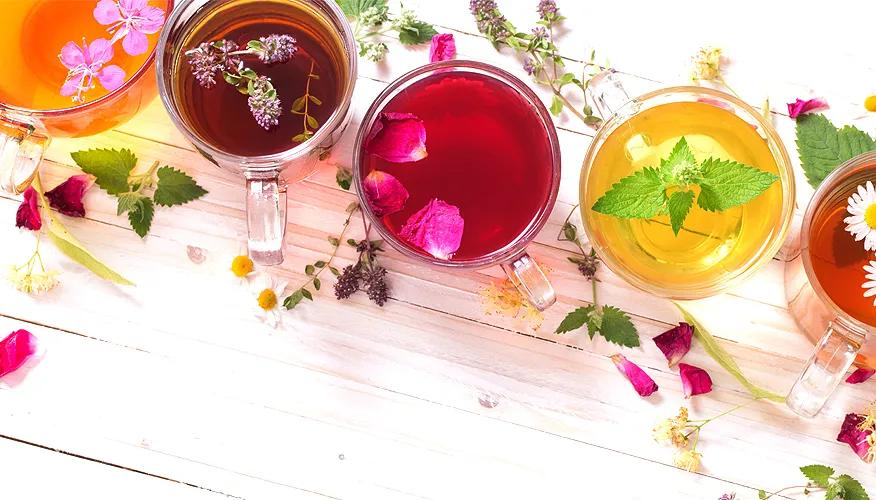
Having a cup of tea is a great way to add an extra bit of immune support to your daily routine. Are you looking for an immunity-boosting tea to keep your immune system strong? Here are our top choices which will support your immune system.
Matcha tea
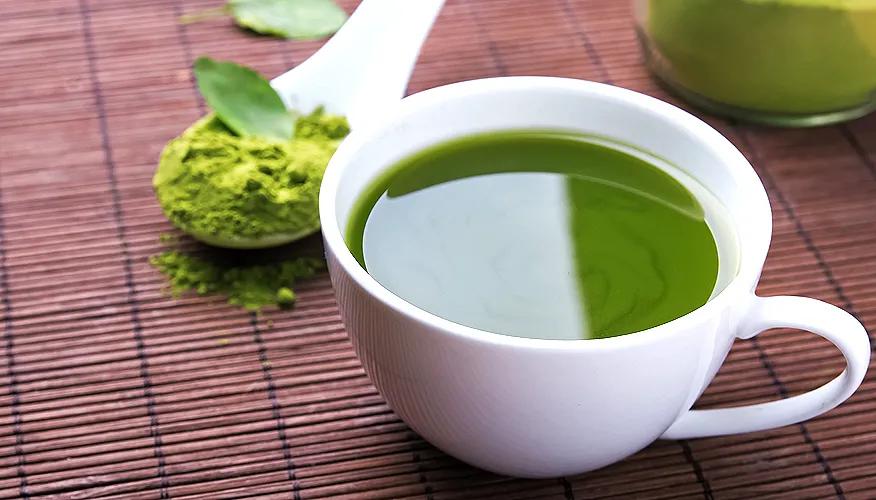
Matcha is a popular Japanese green tea that is grown by covering tea bushes with bamboo mats to shade the leaves from direct sunlight during its growth period.
The high-grade young tea leaves are selected and immediately steamed briefly to prevent oxidation. Then the stems, veins and impurities are removed and powdered.
- Due to this, the plant produces higher amounts of amino acids and bioactive compounds like chlorophyll and theanine, giving matcha tea its characteristic vibrant green color and non-bitter taste.
- In matcha, catechins make up 90% of polyphenols, powerful antioxidants, almost as effective as vitamins like vitamin C, vitamin E, carotene, and tocopherol. These antioxidants help neutralize free radicals in the body, reducing oxidative stress and supporting overall immune health.
- Epigallocatechin-3-gallate (EGCG) is the most abundant and active which plays a crucial role in immune function.
- Another study compared the effect of the extract, residues, and entire matcha, and found that the residue contains mostly water-insoluble fibers and contributes greatly to the health-promoting benefits of matcha.
Moderation is key with matcha since it has high caffeine levels. Prepare this tea for boosting the immune system, add 1-2 tsp of matcha powder to hot water and whisk well, or drink it chilled with ice.
Goji Berry Tea
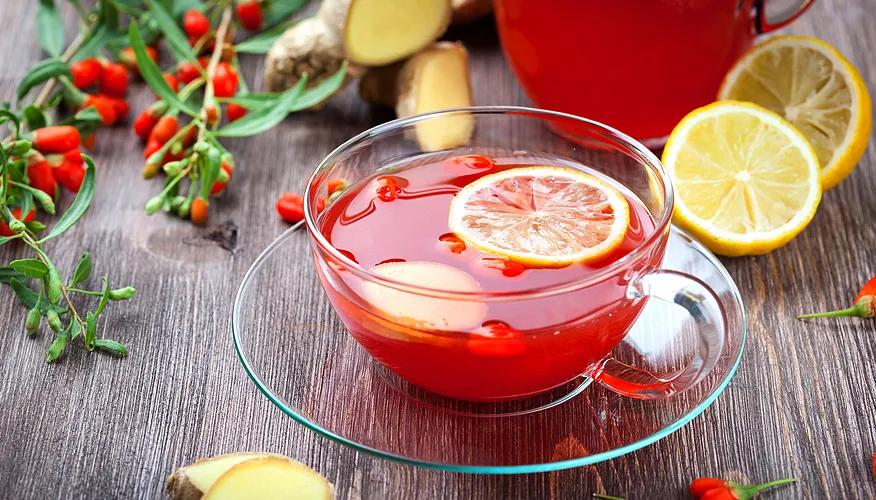
Goji berry tea is made from the dried fruits of the goji berry plant, scientifically known as Lycium barbarum, usually found in Asia, particularly in northwest regions of China.
- Goji berries are high antioxidant potential fruits which alleviate oxidative stress to confer many health-protective benefits such as preventing free radicals, which can weaken the immune system, from damaging DNA, lipids, and proteins.
- The health benefits of goji berries include enhancing hemopoiesis, antiradiation, antiaging, anticancer, improvement of immunity, and antioxidation.
- Polysaccharides are bioactive constituents of these plants and have functional properties, which include immunomodulatory, antioxidant, antitumor, and hypoglycemic activity.
- It has been suggested that eating or drinking products made from L. barbarum can protect eyesight, lower blood lipid levels, eliminate phlegm, counteract fatigue, promote fertility, enhance immunity, and prevent diseases including hepatitis, diabetes, and hyperlipidemia.
- 100g of dried goji berries contains 26800 IU of Vitamin A, which plays an important role in regulating the immune system and Vitamin C, total ascorbic acid 48.4 mg, a potent antioxidant and other essential vitamins and minerals, including iron, and zinc, which are vital for maintaining a healthy immune system.
You can make this tea to boost the immune system by adding 1 to 2 teaspoons of dried goji berries with hot water and steeping for 10 to 15 minutes. To enhance the berries' aroma, add a slice of ginger. Sweeten to taste.
Turmeric tea
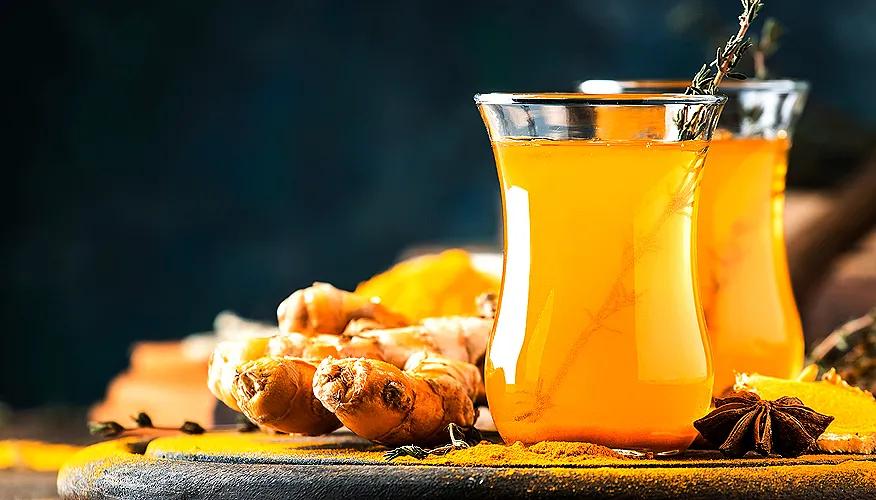
Are you familiar with golden milk or turmeric latte? It's a warm beverage made by simmering turmeric root or ground turmeric in milk, along with other spices for additional flavor. However, we recommend trying turmeric tea without the milk. Simply steep grated turmeric or turmeric powder, and then add lemon, ginger, honey and pepper before consuming.
- Turmeric is an Indian spice derived from the rhizome of the plant, cultivated in India and other parts of Southeast Asia. It has been used extensively in Ayurvedic medicine for centuries in India. Curcumin has shown a great variety of biological functions, such as antibacterial, anti-inflammatory, antimicrobial, and anti-cancer effects.
- Curcumin has been used as a traditional medicine to treat a spectrum of diseases like rheumatism, body aches, skin diseases, intestinal worms, diarrhea, intermittent fevers, hepatic disorders, biliousness, inflammations, constipation, leukoderma, amenorrhea, arthritis, colitis and hepatitis.
- Curcumin has been shown to exert immunomodulatory effects on several cells and organs of the immune system. It stimulates the activity of immune cells such as macrophages, natural killer cells, and T lymphocytes, which play crucial roles in fighting infections and diseases.
- It gives an earthy and bitter flavor, so we recommend adding pepper as its benefits are best achieved when curcumin is combined with agents such as piperine, which increase its bioavailability significantly.
- Unlike the others, turmeric is relatively safe for consumption. According to JECFA (The Joint United Nations and World Health Organization Expert Committee on Food Additives) and EFSA (European Food Safety Authority) reports, the Allowable Daily Intake (ADI) value of curcumin is 0–3 mg/kg body weight.
Hibiscus tea
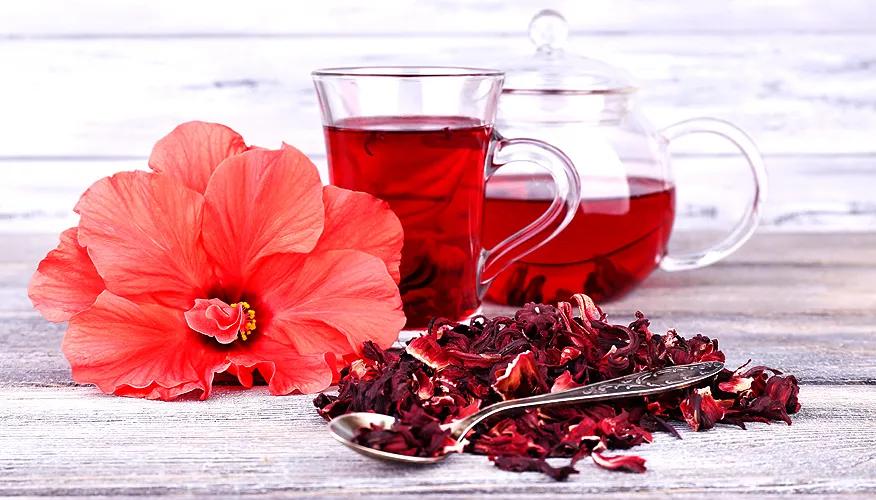
This tea for boosting the immune system is a blend of the dried calyxes (the outer part of the flower) of the Hibiscus sabdariffa plant (the red variety is commonly used), sepals and leaves.
- Hibiscus sabdariffa Linn. Malvaceae (HS) is commonly known as roselle, jamaica, red sorrel, Indian sorrel, wonjo, and karkade, and it is native to India and Malaysia and cultivated worldwide in tropical and subtropical regions.
- This immunity tea gives a deep-red hue and delights with its tangy and unique flavor and the antioxidants such as anthocyanins give the plant its vibrant color.
- Along with some vitamins and minerals, hibiscus contains chemical compounds called phytochemicals that can help prevent disease.
- The therapeutic effects of HS have been associated with the presence of bioactive and functional components such as phenolic acids, flavonoids, anthocyanins, organic acids, and dietary fiber.
- Recently, in an intervention study including 16 healthy females between 20 to 35 years, Al-Malki et al. found that after twice-daily consumption of HS tea (2 g of HS powder in 240 mL of boiling water) for 48 days, an increase in average antioxidant capacity (from 17.04 to 18.07 mM Trolox equivalent) was detected in blood samples.
- It also has antibacterial properties, a test tube study showed that hibiscus extract inhibits E. coli and different bacteria strains.
You can enjoy your cup of this refreshing tea along with the spices and sweeteners of your choice. However, pregnant or breastfeeding or those with certain medical conditions (as it may interact with certain medications), should consult with a healthcare professional before drinking hibiscus tea regularly.
Moringa Tea
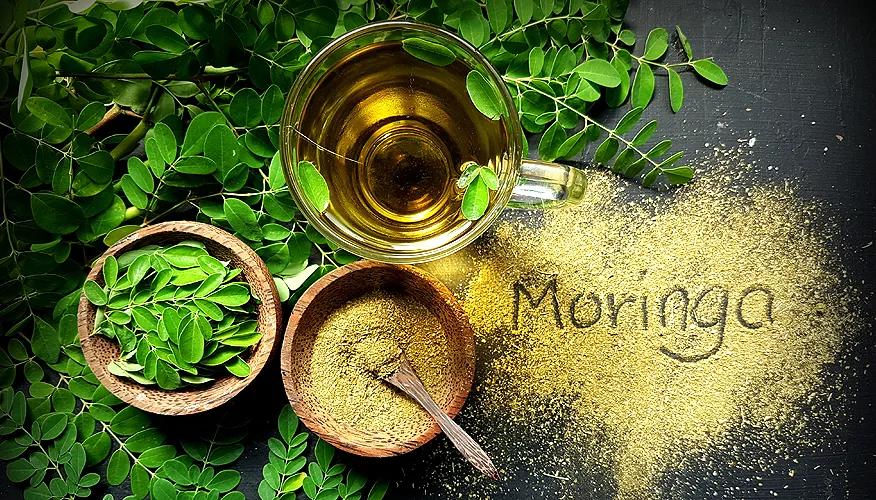
This tea to boost the immune system is also termed a ‘superfood’, owing to its wide range of health benefits that may prevent or cure various chronic diseases. Yes, we are talking about the Moringa tea made from Moringa oleifera, a native species of the Indian subcontinent.
- Moringa provides 7 times more vitamin C than oranges, 10 times more vitamin A than carrots, 17 times more calcium than milk, 9 times more protein than yoghurt, 15 times more potassium than bananas, and 25 times more iron than spinach.
- In addition, it helps to increase the blood antioxidant level and reduce the blood sugar level and sustained inflammation.
- Moringa leaves possess many valued compounds such as protein, vitamins, calcium, iron, ascorbic acid, and antioxidants (carotenoids, flavonoids, and phenol).
- Vitamins beneficial for immunity, such as vitamin A (beta-carotene), vitamin B (folic acid, pyridoxine, and nicotinic acid), vitamin C, vitamin D, and vitamin E, are found in Moringa oleifera.
- Extracts from leaf, flower root bark, and stem bark of Moringa oleifera have antimicrobial and anthelmintic properties.

Although moringa tea is generally safe to consume, it is important to consult a healthcare provider before including it in your diet if you are pregnant, breastfeeding, or have certain medical conditions.
Steep it like any other herbal tea and enjoy the cup of goodness!
Conclusion
Drinking tea may be a cultural practice, but with added health benefits. The five teas recommended above do just that. Its bioactive compounds nourish the body, aiding its functions and immune system.
However, it is essential to understand that a balanced diet, regular exercise, adequate sleep, and other healthy lifestyle practices are also essential for maintaining a strong immune system. Consult your healthcare provider to ensure there are no issues beforehand. Sip on that hot, heart-warming cup of tea for boosting the immune system without worry.
Meet our expert

Meet our expert
Deborah Onoja, a dedicated Registered Nutritionist-Dietitian, holds a Bachelor's degree in Nutrition & Dietetics from the Federal University of Agriculture, Abeokuta. She furthered her expertise with a Master's degree in Clinical Nutrition and Diet Therapy from the University of Ibadan.


How was the experience with article?
We'd love to know!