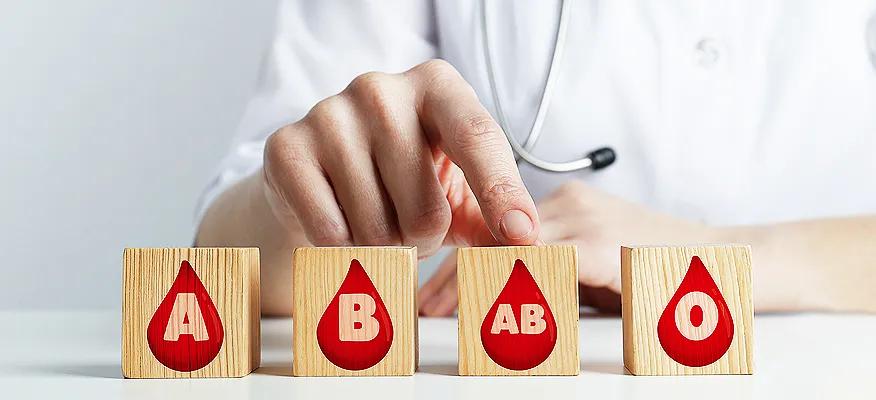
Despite popular beliefs and social media hype, your blood type doesn’t determine your personality, but it very well defines how your body builds your immune system, the first line of defence against pathogens.
When it comes to blood, for decades, the concern was mainly on how a more efficient transfusion may be achieved, and with the invention of more effective techniques, the mindset shifted to determining which blood type has the weakest immune system and which develops the strongest one.

Understanding this relationship helps you interpret how your body naturally responds to illness and, most importantly, what you can do to strengthen it regardless of your genetic code.
What are the blood types and their role in immunity
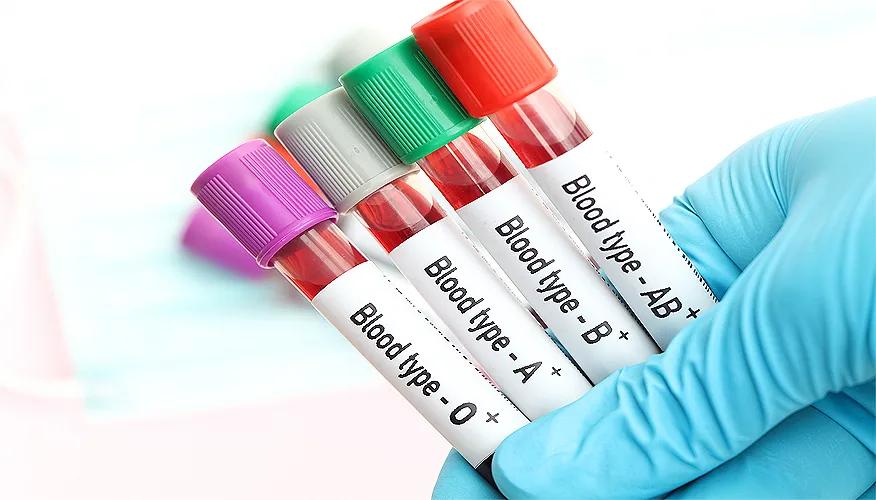
Your blood type depends on microscopic antigens that sit on the surface of red blood cells. These are like biological nametags that your immune system reads to identify which cells belong to you.
The ABO system divides blood into four main groups, A, B, AB, and O. Each group has its own set of antigens and corresponding antibodies. Think of it as four neighboring households, with each of them having flags associated with them representing its antigens, and guards (representing antibodies) to decide who to let in.
For instance, type A blood carries A antigens and makes anti-B antibodies. Its guards have been trained to keep out anyone carrying the B flag.
Type B has B antigens and anti-A antibodies.
Type AB holds both A and B antigens but no antibodies against them. It’s a different kind of house that displays both A and B flags, and doesn’t train guards against either.
Type O has neither antigen but produces both types of antibodies, giving it a special immune advantage.
There’s one more part to blood type called the Rh factor. It’s a protein found in the blood of most people, about eight out of every ten. If you have it, you’re Rh positive. If you don’t, you’re Rh negative. Combined with the ABO system, it creates eight possible types: A+, A-, B+, B-, AB+, AB-, O+, and O-.
How blood type affects the immune system
Depending on your blood type, your body interacts with pathogens differently. By around six months of age, your immune system begins forming antibodies against the ABO antigens you don’t have. This natural antibody development forms the first line of immune defense.
Those with Type O blood develop both anti-A and anti-B antibodies, giving them an extra layer of natural protection. Type A individuals, however, only form anti-B antibodies, which slightly narrows their defense spectrum.
You may ask at this point why Type B blood isn’t as susceptible as Type A, and the answer generally comes to how the A antigen tends to mimic molecular patterns that some viruses and bacteria naturally use to attach to human cells. Because of that similarity, pathogens often find it easier to bind to and infect Type A cells.
Type O individuals generally possess higher levels of immunoglobulin M (IgM), a powerful early-response antibody. In contrast, Type A individuals rely more on immunoglobulin G (IgG), which acts later in infection but offers less immediate coverage against invaders.
During the COVID-19 pandemic, these distinctions became especially visible. Several large-scale studies across Europe and Asia revealed that people with Type A blood were more likely to contract the virus and experience severe symptoms.
Which blood type has the weakest immune system?
In terms of immunological power, Type A blood is the most susceptible. The antigens that distinguish this group can confound the immune system. They reduce the body's early warning signals, making it harder to detect intruders. That small delay gives viruses and bacteria a head start, allowing infections to take hold before the body can fully react.
Long-term studies show that people with Type A blood are more likely to catch illnesses like influenza, smallpox, and certain bacterial infections, including Pseudomonas aeruginosa.
While this doesn’t mean every Type A person gets sick more often, it does mean their immune defenses tend to respond less forcefully in the first phase of an attack.
The thing is, Type AB blood also shows a similar weakness, though for a different reason. It carries both A and B antigens but doesn’t make natural antibodies against either. Without those early antibodies to patrol for threats, AB individuals depend mainly on adaptive immunity, which takes time to build up a response.
If you’re Type A, your immune system could also be more prone to overreact against its own tissues, possibly because of the unique structure of its antigens that mimic certain microbial patterns, as mentioned.
Which blood type has the strongest immune system?
Type O blood demonstrates the strongest immune response overall. Its strength comes from simplicity. Without A or B antigens, Type O individuals develop both sets of natural antibodies early in life. These antibodies don’t wait for infection to appear; they patrol constantly, ready to bind to a wide range of pathogens.
Type O individuals, however, face a greater risk when infected with cholera, where the immune system’s aggressive response amplifies disease severity.
Even so, Type O has gotten an evolutionary edge, apparent from its high global prevalence in over 40% global population.
How to know and identify your blood type
A basic test at your doctor’s office can identify both your ABO and Rh status. The process involves mixing your blood sample with specific antibodies.
If clumping occurs when anti-A is added, you have Type A blood. If it reacts with anti-B, you’re Type B. If both cause clumping, you’re AB. No reaction means Type O.
You may also learn your blood type when donating blood. Donation centers automatically test for type and Rh factor and record the result.
At-home testing kits are also available, which use small cards coated with reagents that react to your blood in similar ways. The reactions show visible patterns that reveal your type within minutes.
Maintaining a strong immune system regardless of blood type
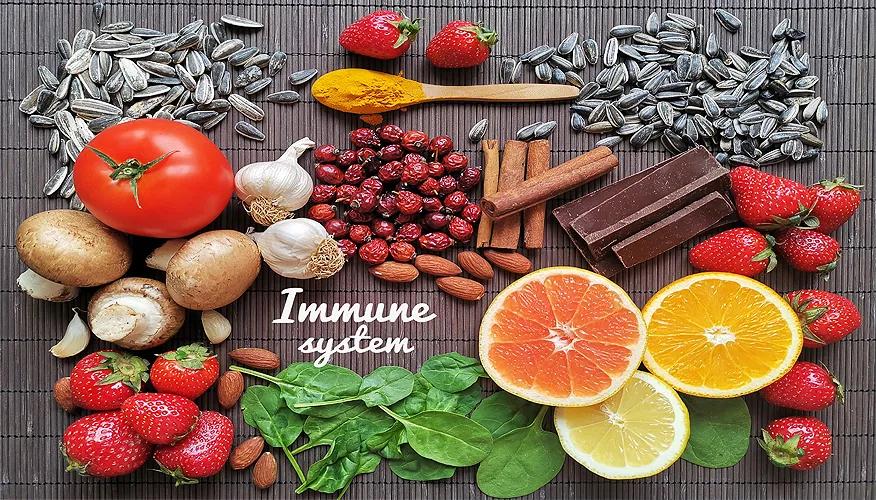
Although your blood type can influence immune tendencies, it doesn’t offset years of lifestyle exploitations.
Here are a few ways you can maintain a strong immune system regardless of your blood type:
- Concentrate on fruits, vegetables, whole grains, and legumes. Get your Vitamin C, D, and Zinc from food or pills. Avoid any processed meals and sugars.
- Drink water throughout the day to keep your immune cells active and your system clean.
- Aim for 7 to 9 hours nightly so your body can release infection-fighting proteins and restore balance.
- Regular moderate activity improves circulation and strengthens immune defenses.
- To maintain a stable immune system, manage your stress and cortisol levels with breathing, mindfulness, or outdoor activities.
- Stay up to date on immunizations, maintain good hygiene, and schedule frequent exams.
Conclusion
Blood type undeniably shapes how your immune system behaves, yet it doesn’t decide your overall strength or vulnerability. Current evidence identifies Type A as having the weakest immune response due to its lower antibody diversity and higher infection susceptibility, and Type O stands at the top of the immune spectrum.
Still, the true determinant of your immune resilience lies in how you live. A well-rested, well-nourished, and physically active body resists disease more effectively than any genetic advantage alone.
Meet our expert

GHBY Team
GHBY TeamMeet our expert
GHBY Team comprises content writers and content editors who specialise in health and lifestyle writing. Always on the lookout for new trends in the health and lifestyle space, Team GHBY follows an audience-first approach. This ensures they bring the latest in the health space to your fingertips, so you can stay ahead in your wellness game.



How was the experience with article?
We'd love to know!