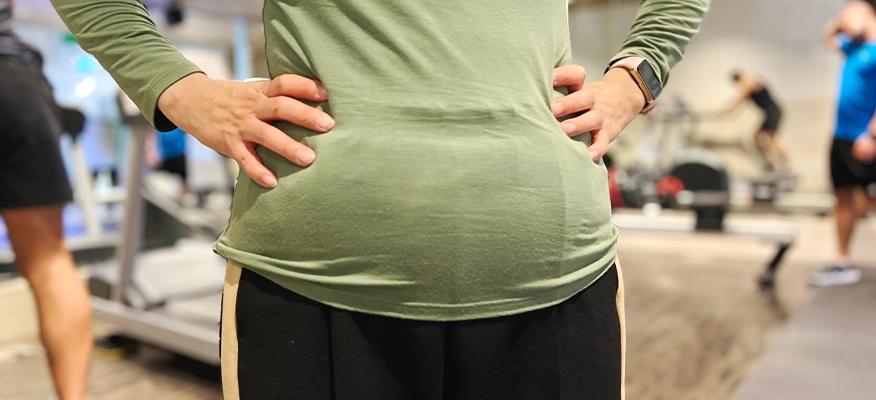
Menopause brings a wave of changes, both physical and emotional, but one of the most frustrating challenges many women face is the development of the so-called "menopause belly."
This stubborn belly fat can feel impossible to shed, leaving many wondering why it happens and what can be done about it. But here’s the good news: understanding the causes of menopause belly is the first step to tackling it effectively.
In this blog, we’ll delve into the science behind hormonal belly fat, explore its connection to menopause, and share practical strategies to help you regain confidence in your body. Whether you're seeking dietary tips, exercise routines, or lifestyle changes, we’ve got you covered. Let’s uncover the secrets to feeling your best during this transformative phase of life.
What is menopause belly?
Menopause belly refers to the accumulation of fat around the midsection that many women experience during and after menopause. Unlike general weight gain, menopause belly often appears as a stubborn, rounded bulge in the lower abdomen, even if your weight hasn’t significantly changed.
What does menopause belly look like? This belly fat tends to feel different—it can be softer or firmer depending on where fat is deposited. It might look like a bloated or protruding tummy that doesn't respond to typical weight loss efforts, leaving many women frustrated.
Understanding hormonal belly during menopause
Hormones play a critical role in regulating where and how your body stores fat. The decline in estrogen during menopause reduces your body’s ability to regulate fat distribution, leading to an increase in visceral fat. Unlike subcutaneous fat, which lies just beneath the skin, visceral fat surrounds your internal organs and contributes to a bloated, rounded belly appearance.
Cortisol, the stress hormone, can further complicate matters. Many women experience heightened stress during menopause due to physical and emotional changes, which can elevate cortisol levels. High cortisol levels promote fat storage in the abdominal area, exacerbating the menopausal belly.
Common causes of menopausal belly fat
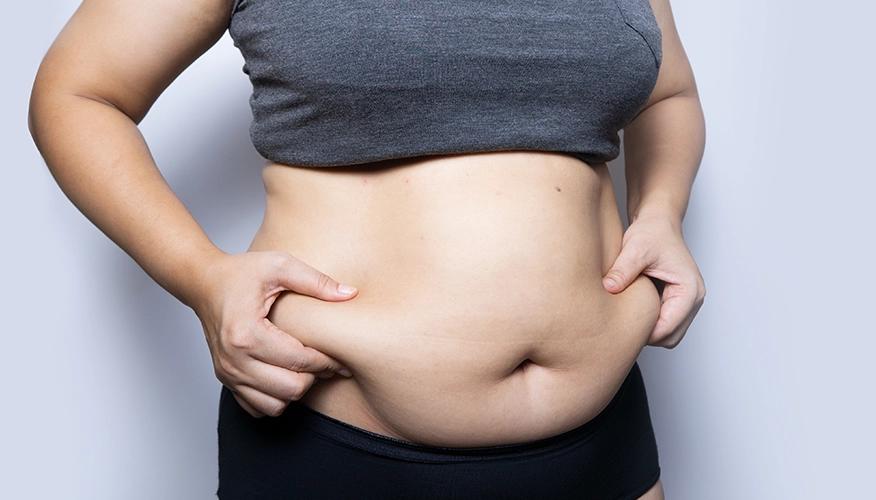
Menopausal belly fat doesn’t appear overnight, and understanding its root causes can help you address it more effectively.
Here are some of the most common reasons why hormonal belly in women becomes a persistent issue during menopause:
1. Hormonal imbalances
- The decline in estrogen levels during menopause is the primary culprit.
- Estrogen plays a key role in fat distribution, and its reduction causes fat to accumulate around the abdomen rather than the hips and thighs.
- Hormonal shifts can also disrupt insulin sensitivity, making it harder to manage blood sugar levels leading to increased fat storage.
2. Slowed metabolism
- Aging naturally leads to a decreased metabolic rate, and menopause accelerates this process.
- With fewer calories burned at rest, it’s easier to gain weight, particularly around the midsection, even if you’re eating the same as before.
3. Loss of muscle mass
- Menopause is often accompanied by a decline in muscle mass, known as sarcopenia.
- Since muscle burns more calories than fat, losing muscle means your body requires fewer calories, making it easier to gain fat.
4. Stress and cortisol levels
- Many women experience increased stress during menopause due to physical, emotional, and lifestyle changes.
- Stress raises cortisol levels, which are linked to the storage of visceral fat, particularly in the abdominal area.
5. Sedentary lifestyle
- As energy levels decrease and joint issues become more common with age, many women move less during menopause.
- A lack of physical activity can further contribute to menopause weight gain, and fat accumulation.
6. Poor sleep patterns
- Menopause often disrupts sleep due to hot flashes, night sweats, and insomnia.
- Poor sleep can increase hunger hormones like ghrelin and decrease satiety hormones like leptin, leading to overeating and perimenopause weight gain.
7. Dietary choices
- A diet high in refined carbohydrates, sugars, and unhealthy fats can exacerbate belly fat.
- During menopause, your body becomes less efficient at processing these foods, making it even more important to adopt healthier eating habits.

How to get rid of menopause belly fat
Getting rid of menopause belly fat requires a combination of targeted strategies that address diet, exercise, and lifestyle.
Here’s a breakdown of the most effective approaches:
1. Diet changes
What you eat plays a pivotal role in managing belly fat. Here are some dietary changes that can help:
- Focus on whole foods: Incorporate more fruits, vegetables, whole grains, and lean proteins into your diet. These nutrient-dense foods can help regulate weight and provide essential vitamins.
- Increase fiber intake: Foods high in fiber, such as oats, beans, and leafy greens, improve digestion, stabilize blood sugar, and keep you feeling full longer.
- Choose healthy fats: Replace trans fats and saturated fats with healthy options like avocados, nuts, seeds, and olive oil, which promote heart health and reduce inflammation.
- Reduce sugar and refined Carbs: Minimize consumption of sugary drinks, baked goods, and processed snacks. These can lead to insulin spikes and increased fat storage.
2. Exercise recommendations
Physical activity is key to losing weight in menopause:
- Strength training: Building muscle mass is critical for boosting metabolism. Include weightlifting or resistance exercises 2-3 times a week to tone muscles and increase calorie burn.
- Cardiovascular workouts: Activities like walking, jogging, swimming, or cycling help burn calories and improve heart health. Aim for at least 150 minutes of moderate-intensity cardio weekly.
- Core Workouts: Strengthen your abdominal muscles with exercises like planks, leg raises, and yoga poses focusing on core stability.
3. Lifestyle modifications
Adopting healthier lifestyle habits can make a big difference in managing menopause belly fat:
- Manage Stress: Practice relaxation techniques such as yoga, meditation, or deep breathing to lower cortisol levels and reduce stress-induced fat storage.
- Prioritize Sleep: Aim for 7-9 hours of quality sleep each night to support hormonal balance and prevent overeating.
- Stay Active Throughout the Day: Incorporate more movement into your daily routine, such as walking, stretching, or using a standing desk.
Best foods for managing menopause belly
Here’s a guide to what you should include and what to avoid:

Foods to include for menopause belly fat
Here’s the best diet for perimenopause:
- High-fiber Foods: Fiber aids digestion, stabilizes blood sugar, and keeps you feeling full longer, reducing overall calorie intake.
- Lean proteins: Protein supports muscle maintenance and boosts metabolism, especially when paired with strength training.
- Healthy fats: Healthy fats promote hormonal balance and reduce inflammation.
- Antioxidant-rich foods: Antioxidants fight oxidative stress, which is linked to fat storage and aging.
- Calcium and Vitamin D sources: It is essential for bone health and may help regulate fat storage during menopause.
- Green Tea and herbal teas: Green tea contains catechins that boost metabolism, and herbal teas like chamomile can help manage stress and improve sleep quality.
Foods to avoid for menopause belly fat
Here are the foods to avoid for menopause belly fat:
- Refined carbohydrates and sugary Foods: These spike blood sugar levels and promote fat storage, particularly in the abdominal area.
- Trans-fats: Trans fats increase inflammation and contribute to visceral fat accumulation.
- Excess salt: High sodium levels can cause bloating and water retention, making your belly appear larger.
- Alcohol: Alcohol is calorie-dense and disrupts your body’s ability to burn fat, often leading to increased belly fat.
- Artificial sweeteners: Diet sodas, sugar-free snacks, and low-calorie desserts can disrupt gut health and may increase cravings for unhealthy foods.

Exercise tips for reducing menopausal belly fat
Wondering how to lose weight during menopause?
If you’re battling menopause belly fat, incorporating the right exercises into your routine can make a significant difference.
Here are some of the best exercises to help you when you are worried about how to get rid of menopause belly:
- Strength Training: Build lean muscle to boost metabolism and burn more calories at rest. Focus on compound movements like squats, deadlifts, and push-ups 2-3 times a week.
- Cardio Workouts: Include brisk walking, cycling, swimming, or dancing for 30 minutes, at least 5 days a week, to torch calories and improve heart health.
- Core-Specific Exercises: Planks, side planks, and Pilates can strengthen and tone abdominal muscles, reducing the appearance of belly fat.
- High-Intensity Interval Training (HIIT): Alternate short bursts of intense activity with periods of rest to effectively burn visceral fat.
- Yoga and Stretching: Reduce stress and improve flexibility with yoga poses that engage the core like downward dog or boat pose.
Natural remedies and supplements

How to get rid of menopause belly naturally?
Here are some ways in which you can get rid of a menopausal belly:
1. Natural Remedies
- Stay Hydrated: Drink water to boost metabolism and reduce bloating.
- Herbal Teas: Green tea for fat loss and chamomile tea to lower stress-induced fat.
- Stress Management: Practice yoga or meditation to reduce cortisol levels.
- Balanced Diet: Focus on fiber, healthy fats, and anti-inflammatory foods like turmeric and berries.
- Better Sleep: Aim for 7-9 hours to regulate hunger hormones and reduce belly fat.
2. Supplements for menopause belly fat
- Omega-3 Fatty Acids: Reduce inflammation and improve metabolism.
- Probiotics: Enhance gut health and reduce bloating.
- Magnesium: Manage stress and regulate blood sugar.
- Adaptogens: Ashwagandha and maca root balance hormones and cortisol.
- Calcium & Vitamin D: Support bone health and fat reduction.
When to seek professional help
If menopause belly fat persists despite lifestyle changes, it may be time to consult a professional. Seek guidance if:
- You notice rapid weight gain without dietary changes.
- Other health concerns, like high blood pressure or fatigue, accompany belly fat.
- You’re unsure about how to create a personalized exercise or dietary plan.
- Hormonal replacement therapy (HRT) or other medical interventions may be helpful for your case.
Healthcare professionals, such as dietitians, endocrinologists, or personal trainers, can provide tailored advice to address your needs.
Tips for long-term success

Achieving and maintaining results requires consistency and a sustainable approach. Here’s how to stay on track:
- Set Realistic Goals: Focus on overall health rather than quick fixes.
- Stay Active Daily: Incorporate movement into your routine, even on rest days.
- Practice Mindful Eating: Avoid overeating by paying attention to hunger cues.
- Find a Support System: Join menopause support groups or fitness classes.
- Adapt Over Time: Adjust your diet and exercise plan as your body changes.
Conclusion
Menopause belly fat may feel like an inevitable part of aging, but with the right knowledge and strategies, it’s something you can manage effectively.
By understanding the underlying causes and implementing a holistic plan that includes diet, exercise, and lifestyle changes, you can effectively manage this challenge.
Embrace these strategies and take charge of your well-being to feel confident and healthy during this transformative phase of life.
Meet our expert

Meet our expert
Dr Sintayehu Abebe is a Consultant Internist and Interventional Cardiologist at the Addis Ababa University. The young and energetic Dr Abebe who is always keen on learning new things is also President of the Ethiopian Society of Cardiac Professionals (ESCP).



How was the experience with article?
We'd love to know!