
Your early forties can arrive like a quiet turning point. Just when your work and life begin to feel more settled, when energy finally starts to balance after years of chaos, subtle shifts in the body begin to whisper that something is changing. You wake up at night drenched in sweat, feel tired even after a full night’s rest, and maybe your periods that once followed a perfect rhythm now play an unpredictable tune.
Could this be stress or overwork? Possible, but for most, it marks the beginning of perimenopause, the transitional phase before menopause, when estrogen and progesterone levels start to fluctuate wildly.
Although menopause itself typically occurs around 51, nearly one in twenty women begin experiencing it between 40 and 45. When signs of menopause arrive at 40, doctors call it premature ovarian insufficiency.
Early menopause can increase the risk of osteoporosis, heart disease, and mood disorders, but early recognition offers a chance to manage them effectively.
Common early signs of menopause at 40

- The first and most obvious sign of menopause is an irregular menstrual cycle. Your once-reliable calendar starts betraying you, with some months arriving early, and others falling into oblivion. Some are heavier, others so light they feel like a tease.
These shifts happen because your estrogen and progesterone levels no longer follow a predictable rhythm. Your ovulation becomes inconsistent, and your cycle mirrors that confusion.
Then the heat creeps in in the form of hot flashes that affect nearly four out of five women in perimenopause, and they can be relentless. They begin suddenly, spreading warmth through your chest, neck, and face before leaving you cold and sweaty.
- At night, these episodes turn into night sweats that drench your sheets and disrupt your sleep. The cause of hot flashes is usually linked to the hypothalamus, the brain’s thermostat, which becomes hypersensitive to temperature changes as estrogen declines. The body’s overreaction sends blood rushing to the skin to release heat, creating that intense flush.
- You may also find yourself snapping at things that once rolled off your back or feeling low for no clear reason. Women in perimenopause are up to 40% more likely to experience depression than those who haven’t faced it yet. This happens because when hormone levels swing, they directly influence serotonin and dopamine, the brain’s “feel-good” chemicals.
- Sleep disturbances are another cruel companion. Around half of women report difficulty sleeping during this stage. Low estrogen and progesterone also interfere with melatonin and serotonin, the hormones that regulate sleep.
- A few subtle reminders, like vaginal dryness, also exist as estrogen levels fall, making the vaginal tissue thinner and less lubricated. This dryness can lead to discomfort during intimacy and may slowly erode your desire. For some, this is accompanied by urinary urgency or irritation, all part of what doctors call the genitourinary syndrome of menopause. It affects more than half of women after menopause and can start as early as 40.
- In the more cosmetic side of things, your skin loses elasticity as collagen production drops by roughly thirty percent within the first five years of menopause. Your hair also thins, sometimes more around the crown, while stray hairs appear on the chin. The most dreaded change is possibly linked to your body starting to redistribute fat from the hips to the abdomen. Frustrating.
Causes and Risk Factors
The reasons behind early menopause often lie in a mix of genetics, lifestyle, and medical factors.
- If your mother or sister experienced early menopause, there’s a strong chance you might too. One large study found that women with family histories of early menopause were more than six times more likely to experience it themselves.
- If you’re a smoker, you could also be at a higher risk level. The chemicals in cigarette smoke damage ovarian follicles, speeding up estrogen decline and shifting menopause earlier by almost two years.
- Meanwhile, chronic stress and high cortisol levels interfere with normal hormonal balance. It can worsen hot flashes and sleep problems, but a more significant contributor is your diet. If it’s rich in processed foods and unhealthy fats, it may cause early menopause.
- Goes without saying that medical treatments like chemotherapy and ovarian surgeries can further hasten menopause. If you have autoimmune disorders, thyroid disease, or chromosomal differences like Turner syndrome, it can unfortunately also cause early menopause or premature ovarian insufficiency.
How to Manage Early Menopause Symptoms
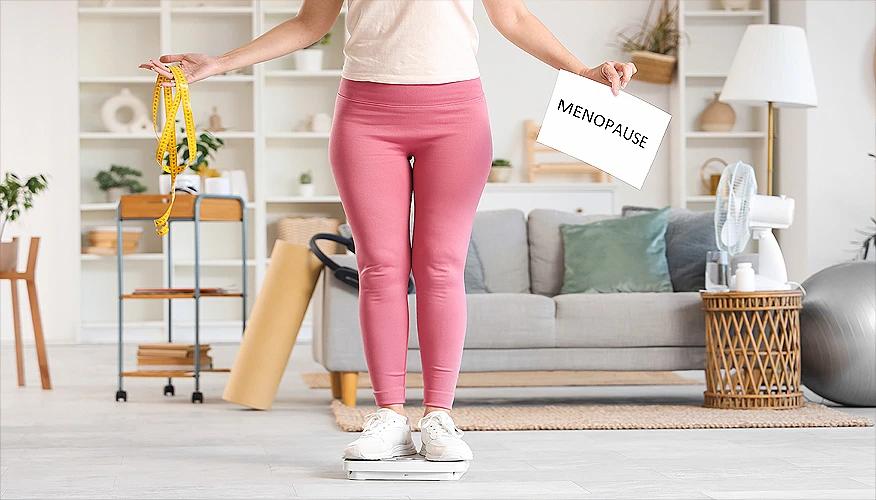
Dread it, run from it, menopause arrives all the same. While you can’t deny its arrival, you may try to manage it more efficiently.
- Lifestyle adjustments are often the first line of defense. Ensure that you avoid alcohol and smoking, and to manage the symptoms associated with menopause, fall back on a diet rich in essential nutrients. For instance, calcium and vitamin D protect your bones from thinning, while protein helps maintain muscle mass. On the other hand, omega-3 fats from salmon, walnuts, and flaxseeds ease inflammation and support mood.
- Stick to, or even start, a regular exercise routine that feels comfortable and sustainable. While resistance training and walking are great for bone strengthening and reducing the risk of osteoporosis, there’s no harm in doing other workouts, including cardio, that you find enjoyable and can keep doing.
- Moreover, yoga, meditation, and deep breathing have been shown to reduce hot flashes and enhance sleep. We recommend doing Reclining Bound Angle and cooling breathing techniques like Sheetali to help calm your body’s heat response.
- If symptoms are disrupting your daily life, it's high time you visit a physician. Hormone replacement therapy (HRT) remains the most effective treatment for early menopausal symptoms. Recent research has even shown that estrogen-only HRT can lower the risk of several serious diseases, including heart failure and dementia, when started before age 60.
Not comfortable with HRT? Non-hormonal options also exist. Antidepressants such as SSRIs and SNRIs can significantly reduce hot flashes and stabilize mood. The newly approved medication Fezolinetant offers a hormone-free way to manage temperature regulation by targeting specific brain receptors.
But before you go about pushing syringes and chugging medication, embrace these practical strategies at home:
- Wear lightweight, breathable fabrics such as cotton.
- Drink cold water to get immediate relief from hot flashes.
- Avoid triggers, including alcohol, coffee, spicy foods, and stress.
- Embrace water-based lubricants and vaginal moisturizers.
- Use natural oils such as coconut or vitamin E oil, but only ones that are appropriate for delicate skin.
When to See a Doctor
If your periods stop before you reach the age of 45, or if you experience several of these symptoms at the same time, you should consult a doctor. They will most likely perform blood tests to assess estrogen and follicle-stimulating hormone levels, rule out thyroid issues, and examine the overall hormonal balance. Early detection is crucial since chronic low oestrogen levels increase the risk of heart disease and bone loss.
Conclusion
Menopause at 40 is a natural, biological change that just occurred a bit earlier than expected. What really matters right now is how you handle it. Being mindful and seeking medical advice when needed can really help make the transition smoother and protect your long-term health.
Right now, your body is just adjusting itself. Take your time with it, nourish your body with healthy food, keep it active to build strength, and unwind to help it relax.
Meet our expert

Meet our expert
Dr. Inna Anatolyivna Kirilyuk graduated from Vinnytsia National Medical University in 2008, marking the inception of her remarkable journey in healthcare. Following her graduation, Dr. Kirilyuk embarked on a path of continuous learning and specialization.

How was the experience with article?
We'd love to know!