
Creeping quietly, often unnoticed, menopause announces its arrival in ways that go far beyond disruptive cycles and missed periods. It usually begins around your early fifties, though for some, it comes a little sooner, bringing with it a shift that touches both body and mind. One of the most persistent changes, and one that rarely gets talked about, is vaginal dryness symptoms.
If you’ve started to feel irritation, soreness, or discomfort during intimacy, you’re far from alone. Studies show that nearly half of all women experience vaginal dryness during menopause, and as many as four in five feel it more strongly after. Unlike hot flashes that eventually fade, this particular symptom tends to stay, often deepening with time and leaving you wondering.
What makes it harder is the stigma that surrounds it. Around seventy percent of women never mention it to their doctors, and many quietly accept it as an inevitable part of aging. This needn’t be the norm. In this article, we’ll discuss what vaginal dryness is and its symptoms around menopause.
What is vaginal dryness?
When your body is in its natural rhythm before menopause, estrogen quietly does much of the work of keeping your vaginal tissue soft, supple, and richly hydrated, almost like a self-sustaining ecosystem. Beyond conform, the moisturised environment creates a gentle barrier that protects against irritation, nourishes beneficial bacteria, and maintains an acidity level that guards you from infection.
As menopause begins, however, that balance pivots towards losing vaginal wall thickness and declining elasticity. But the change isn’t always sudden. When it comes, though, you begin to feel it.
The tissue becomes thinner, more fragile, and less able to hold moisture. You might sense a faint dryness at first, a small change you brush off. Over time, though, it deepens into genitourinary syndrome of menopause, or GSM. It’s a web of symptoms that affect both your vaginal and urinary health, often making even the simplest moments, like walking or sitting, feel uncomfortable.
It’s critical to understand, however, that vaginal dryness symptoms can also occur due to stress, dehydration, certain medications, and birth control, but they usually pass once you take the necessary precautions and steps.
Menopause-related dryness plays by different rules. The drop in estrogen isn’t temporary, but a long-term shift in your body’s chemistry. That’s why the dryness doesn’t fade on its own. It lingers, and if left untreated, it can lead to persistent irritation, burning, or even infections that seem to appear without reason.
Common symptoms of vaginal dryness in menopause
- The first symptoms of vaginal dryness during menopause often include a faint itch and a trace of dryness that catches your attention only when it lingers. Then, slowly, that subtle irritation becomes a tender soreness that no amount of shifting in your chair eases. It also often extends to a feeling of stinging when you sit, walk, or even cross your legs.
- Intimacy, too, starts to feel a bit off at first. What once felt natural and effortless may now come with a hint of hesitation. When warmth turns into friction and friction into burning ache, it’s natural to pull away before you mean to. Almost half of all women after menopause experience this same pain during intercourse. Your mind might desire sex, but your body may not respond as enthusiastically, fearing the discomfort.
- You may also notice changes that have nothing to do with sex at all. As estrogen falls, the tissues around your urethra weaken, and the friendly bacteria that once protected you begin to fade away. Suddenly, you feel the urge to urinate more often, or you sense that familiar burning that signals another infection.
- The emotional impact is often the least discussed but perhaps the most profound. Pain, irritation, and fear of intimacy can erode confidence and connection in relationships.
Causes of vaginal dryness during menopause
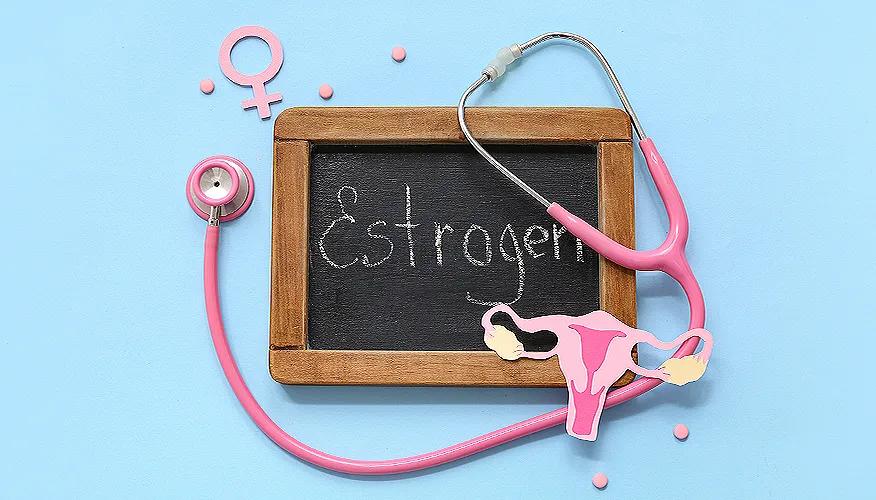
Loss of estrogen is the predominant reason behind vaginal dryness during menopause. As mentioned, estrogen ensures that your vaginal tissue stays thick, elastic, and nourished. It boosts blood flow and helps produce glycogen, which feeds the Lactobacillus bacteria that maintain a healthy vaginal pH.
After menopause, these estrogen levels (there are multiple types of estrogen) fall by nearly ninety-five percent. What was a more acidic environment becomes more alkaline, inviting harmful bacteria to thrive and making you more vulnerable to infections. The vaginal tissue also loses collagen, the natural moisturizer of the body, and blood flow to the vaginal area decreases.
Moreover, as your body’s circulation slows and muscle tone decreases, the vaginal tissue, already weakened by hormonal loss, has to work harder to stay healthy. Certain medications like antihistamines, antidepressants, or cancer treatments can dry your body even further, amplifying the feeling of discomfort.
You must consider your lifestyle as well, since smoking narrows blood vessels and restricts oxygen delivery, starving those delicate tissues. Not drinking enough water or eating too few healthy fats like those from avocado, fish, or nuts can strip your body of natural lubrication.
Vaginal dryness treatment options
The good news is that vaginal dryness is one of the easiest menopause symptoms to cure. You can get long-lasting relief with a combination of easy changes to your daily routine, over-the-counter medications, and medical treatments:
- Begin with drinking enough water to nourish your tissues, including the vaginal lining. Consume omega-3-rich food like salmon, flaxseeds, and walnuts to keep your vaginal cells supple. Whenever you can, and if not allergic, add soy, chickpeas, and whole grains to your diet to supplement with phytoestrogens that gently mimic estrogen’s effects.
- Get enough regular exercise involving gentle pelvic floor workouts, yoga, and long walks. You may also try resistance training, if that’s your thing, to strengthen muscles, calm stress, and bring circulation back to your pelvic area.
- Moisturizers and lubricants can bring quick relief. Try them during intimacy and multiple times weekly to maintain hydration and reduce friction. Silicone-based formulas last longer than water-based ones, and those containing hyaluronic acid or aloe vera soothe dryness while improving elasticity over time.
- Dryness may persist even after changes in your diet and moisturization, which can be further supported by topical estrogen therapy in the form of creams, tablets, and vaginal suppositories. You should feel relief within weeks.
- DHEA and ospemifene vaginally are good non-hormonal choices. DHEA makes estrogen and testosterone in the body, whereas ospemifene works on estrogen receptors to make the body more flexible and less painful.
Above all, don’t stay silent. Vaginal dryness is not something you have to endure quietly.
Conclusion
Vaginal dryness is a medical condition, not a personal failing or an inevitable part of "just getting older." It's among the most common and treatable symptoms of menopause, with effective and safe solutions being available in the form of simple moisturizers to highly effective local hormone therapies.
The most important step is to start an open, honest conversation with a healthcare provider. Discussing intimate health is the key to finding a solution that restores comfort, confidence, and quality of life.
Meet our expert

Meet our expert
Dr. Irina Borisovna Stefanenko, a medical doctor based in Ukraine, graduated from Vinnitsa State Medical University in 1995. Between 1995 and 2000, Dr. Stefanenko pursued postgraduate studies and engaged in scientific activities at Vinnytsa Medical University in Ukraine.


How was the experience with article?
We'd love to know!