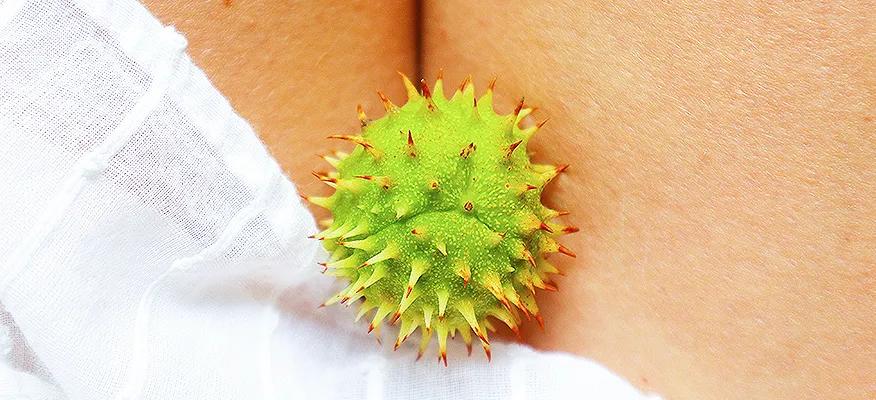
Vaginal dryness is something many women experience at different stages of life, yet it’s rarely spoken about openly.
Whether it’s due to hormonal changes, stress, or other factors, it can leave you feeling uncomfortable and even isolated. But you’re not alone in this journey. This is a natural part of being a woman, and understanding it is the first step toward finding relief.
Let’s talk about what causes vaginal dryness, how it affects our daily lives, and, most importantly, the ways we can manage it with care and confidence. Because every woman deserves to feel at ease in her own body.
Understanding the causes and learning how to manage it can make a big difference in your overall comfort and confidence.
What is vaginal dryness?

- Vaginal dryness occurs when the tissues in the vaginal area lose their natural moisture and lubrication.
- This can lead to feelings of discomfort, itching, burning, and even pain during activities such as intercourse or exercising.
- It’s a common condition that can affect women of all ages but is more prevalent during or after menopause due to hormonal changes.
- Beyond menopause, vaginal dryness can also be caused by factors such as stress, certain medications, breastfeeding, or the use of harsh products that disrupt the vaginal pH.
- It’s not just a physical concern—it can also impact emotional well-being and intimacy. Understanding its causes and seeking appropriate care can help manage and alleviate this condition effectively.
Common causes of vaginal dryness
1. Hormonal Changes
- Menopause and Perimenopause: The most common cause of vaginal dryness is the drop in estrogen levels during menopause. This hormone helps maintain vaginal moisture and elasticity.
- Postpartum and Breastfeeding: Hormonal shifts after childbirth and during breastfeeding can lead to temporary dryness.
2. Medications
- Certain medications, such as antihistamines, decongestants, and hormonal treatments, can reduce vaginal lubrication as a side effect.
3. Lifestyle factors
- Smoking, stress, dehydration, and a lack of foreplay during intimacy can contribute to dryness.
4. Health conditions
- Autoimmune disorders, like Sjögren's syndrome, can cause dryness in various parts of the body, including the vagina.
5. Hygiene products
- Harsh soaps, scented products, and douches can disrupt the natural pH balance and cause dryness or irritation.
Symptoms of vaginal dryness
- Itching or Irritation: A common sign that dryness may be an issue.
- Discomfort During Intimacy: Pain or a burning sensation during sexual activity.
- Tightness: A feeling of tension in the vaginal area.
- Unusual Discharge: Dryness may sometimes lead to a change in discharge consistency.
Coping strategies for vaginal dryness

- Stay hydrated- Drinking plenty of water helps maintain hydration throughout the body, including vaginal tissues.
- Use vaginal moisturizers- Over-the-counter vaginal moisturizers can help maintain hydration and provide lasting comfort.
- Consider lubricants- Water-based or silicone-based lubricants can reduce discomfort during intimacy. Avoid lubricants with added scents or flavors that can irritate sensitive skin.
- Avoid irritants- Choose fragrance-free, gentle soaps for your intimate area, and avoid douching or using scented products.
- Maintain a balanced diet- A diet rich in omega-3 fatty acids and vitamin E may help improve vaginal health. Foods like salmon, nuts, and seeds can be beneficial.
- Exercise regularly- Physical activity improves blood flow, including to the vaginal area, which supports tissue health.
- Hormonal treatments- If dryness is due to menopause, topical estrogen creams or vaginal rings can help restore moisture. Consult with a healthcare provider to explore these options.
- Practice stress management- High stress can exacerbate dryness. Practices like yoga, mindfulness, or deep breathing can help reduce stress levels.
When to seek medical help?
While occasional dryness is normal, persistent or severe dryness may indicate an underlying issue that requires medical attention.
If dryness is accompanied by pain, bleeding, or unusual discharge, consult your healthcare provider for a thorough evaluation.
Conclusion
Vaginal dryness is more than just a physical discomfort—it’s a reminder of how closely our bodies and emotions are intertwined.
If you’ve been experiencing this, know that you’re not alone, and it’s nothing to feel embarrassed about. Every stage of a woman’s life comes with its own challenges, and this is just one of them.
By understanding your body’s needs and seeking solutions—whether it’s a lifestyle change, a new product, or a conversation with a trusted healthcare provider—you’re taking a step toward comfort and well-being.
Always remember, your body is remarkable, and it deserves care, love, and understanding, just as much as you do. Let’s embrace these changes with confidence and compassion for ourselves. With the right strategies and care, you can manage symptoms effectively and enjoy greater comfort and confidence at any stage of life.
Meet our expert

Meet our expert
Dr. Dovbakh Olga Dmitrivna is a Clinical Psychologist based out of Ukraine. She graduated from the Bukovinian State Medical University, Ukraine back in 2009. Driven by a thirst of knowledge and with a keen interest in matters of the mind, Dr. Dovbakh Olga Dmitrivna went back to University in 2021 to specialise in psychiatry.
How was the experience with article?
We'd love to know!