
From hush-hush curiosity to active discussions in recent years, “vaginal tightening” is what we mean when we describe a reversal of vaginal laxity, a feeling of looseness, reduced vaginal tone, or lessened sensation during intercourse. While it’s often presented as a cosmetic thing and a preferential add-on, it’s in fact a complex physiological and emotional experience that the scientific community still lacks a standardized definition for.
Regardless, the phenomenon is very real, and surveys show that nearly one in three women report some degree of vaginal laxity, most commonly after childbirth. When consulting with doctors, women often link it with changes in sexual satisfaction, body image, and even relationship confidence.
However, although multiple procedures and products promise a “tighter” vagina, what’s medically achievable is better understood as improved support, tone, and comfort, not a mythical restoration of pre-childbirth conditions.
Understanding Vaginal Tightening
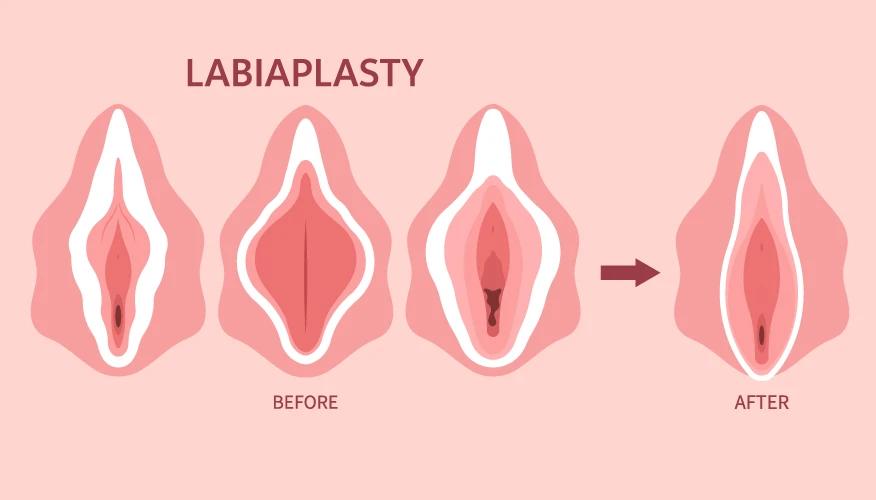
When you hear about “vaginal tightening,” it sounds like a universal solution, but in reality, it includes muscle tone, tissue elasticity, nerve sensitivity, and even emotional perception. Your vaginal canal is surrounded by pelvic-floor muscles and connective tissues that give it structural support and functional strength. Over time, these structures naturally lose elasticity, leading to a sensation of laxness.
The idea of “tightening” in this regard is therefore less about compression and more about restoring the harmony between muscle, nerve, and connective tissues. Being both a physical and sensory enhancement, interventions aim to manipulate pelvic-floor function, improve support of the vaginal walls, and increase tissue resilience.
A few widely spread myths also influence women’s approach towards looseness and vaginal tightening. For instance, while most assume that vaginal laxity always requires surgery, the truth is that non-invasive options like pelvic-floor muscle training can meaningfully improve tone and function.
Another belief is that marketed “tightening” products are effective, though scientific reviews consistently find most over-the-counter creams and gels unsupportive of the claim. The perception of tightness is also a matter of awareness and doubt. Self-reported looseness does not always match measurable anatomical changes, suggesting that sensation, confidence, and relationship context also play major roles.
Causes of Vaginal Laxity
Vaginal laxity, for most women, begins with childbirth. When you deliver vaginally, the process stretches pelvic muscles and connective tissues, sometimes beyond their resting limits. When recovery remains incomplete, especially in older ages with multiple deliveries and forcep usage, the pelvic floor may lose tone. Women who deliver vaginally are about 5x more likely to report laxity compared to those who have not.
The issue becomes more refined as estrogen levels fall with menopause. Collagen production declines with age, and the vaginal mucosa thins, making the tissues less elastic and less able to rebound after stress. These biological shifts are natural but can alter both sensation and support.
Your lifestyle and existing conditions also contribute to vaginal laxity. For instance, obesity, chronic coughing, or super-heavy lifting increase abdominal pressure and gradually weaken the pelvic floor. A sedentary routine compounds the problem by reducing overall muscle tone. In fact, even factors like constipation and the straining associated with it exert long-term pressure on the pelvic support structures.
Options for Vaginal Tightening
Approaches to vaginal tightening can be divided broadly into conservative, energy-based, and surgical interventions. Each comes with its own strengths and limitations:
Conservative Care
For most women, conservative care remains the most primary and safest method of vaginal tightening. These include pelvic-floor muscle training, such as Kegel exercises or guided physiotherapy, which can strengthen your levator ani muscles that provide the vaginal base with support. Evidence also supports the claim that conservative care offers better control and tone.
Lifestyle adjustments such as maintaining a healthy weight and avoiding constipation also help maintain results.
Energy-Based Interventions
Energy-based devices, including fractional CO2 lasers and radio-frequency systems, have gained popularity in recent years. These techniques try to deliver controlled heat to your vaginal tissues to simulate collagen remodeling and improve elasticity.
While surface-level observations look promising in improving the perception of looseness and even sexual satisfaction, randomized controlled trials are yet to bridge the gap between measurable outcomes and perception, so approach with caution.
Surgical Procedures
While mostly recommended for women with severe laxity, especially when accompanied by prolapse or extensive childbirth trauma, perineoplasty or vaginoplasty tighten the vaginal walls by suturing and reshaping supportive tissue.
More than 80% women undergoing perineoplasty report enhanced sexual satisfaction and partner comfort. However, if considering surgery, you'd have to bear with longer recovery times and a higher risk.
Benefits & limitations
Successful treatment can bring both physical and psychological relief. Women frequently describe renewed confidence, improved sensation, and restored comfort in intimacy. If these symptoms interfere with daily life or relationships, these changes can be deeply meaningful to you. Plus, some also experience improved bladder control or reduced discomfort during physical activity.
Still, it’s important to keep your expectations grounded. While the claims are bold, most studies are short-term and rely on women’s own reports (which can be biased) rather than measurable changes. While they do feel tighter or more confident or score higher on the Female Sexual Function Index, there is understandably no universal tool to measure those changes objectively.
Energy-based treatments are gentle and convenient, but frequently require repeat sessions to maintain results. Surgical methods, in contrast, do offer more structural improvement but come with longer recovery and potential scarring (and maybe changes in sensation that you should discuss beforehand).
Moreover, most vaginal tightening procedures, especially energy-based and surgical, are classified as elective or cosmetic and are not covered by insurance. Availability of the interventions also varies widely between regions, and provider experience can significantly affect safety and outcome.
Choosing The Right Option

If you are considering treatment, the process should begin with an honest evaluation by a gynecologist or urogynecologist. A specialist can assess pelvic-floor strength, tissue health, and whether laxity is isolated or part of a broader pelvic-floor dysfunction.
Sometimes, symptoms of looseness coexist with urinary incontinence or prolapse. In those cases, addressing the underlying condition is more important than focusing only on “tightening.”
For mild laxity, conservative exercises or physical therapy may suffice. For moderate objectives, energy-based vaginal tightening treatments can offer short-term improvement if performed by licensed practitioners. In clinical cases or when prolapse is present, vaginal surgery is more effective.
Feel free to share your goals openly, no matter what approach you like best. Figure out whether they connect to function, sensation, or confidence, and make sure to consider all the benefits and risks involved.
Conclusion
While claims of fully preserving vaginal physiology may be unrealistic, consistent care supports pelvic health and vaginal tightening over time. Regular pelvic-floor exercises help strengthen and tone muscles, while managing weight, reducing strain, and treating chronic cough or constipation ease pressure on the pelvic floor. Postpartum rehabilitation can improve long-term support, and open communication with healthcare providers and partners encourages timely care, realistic expectations, and better overall outcomes.
Meet our expert

Meet our expert
Dr. Inna Anatolyivna Kirilyuk graduated from Vinnytsia National Medical University in 2008, marking the inception of her remarkable journey in healthcare. Following her graduation, Dr. Kirilyuk embarked on a path of continuous learning and specialization.


How was the experience with article?
We'd love to know!