
Whoa! Did you just feel that sharp twinge in your shoulder? Whether it’s from lifting heavy groceries, an intense shoulder workout at the gym, or simply reaching for something on a high shelf – shoulder pain can sneak up on us when we least expect it.
Imagine you’re in the middle of your favorite arm and shoulder workout routine, and suddenly, a pang of discomfort interrupts your flow. Or maybe you were just about to reach for that jar of pickles on the topmost shelf, but your shoulder muscles decided otherwise. Sounds familiar?
Shoulder pain is a common issue that can hamper our daily activities, reduce our workout efficiency, and generally dampen our spirits. But hey, don't let it put your life on hold!
There's a solution—physical therapy for shoulder pain. This approach includes a mix of shoulder stretching exercises, workouts, and other specific movements designed to alleviate discomfort and strengthen your shoulders.
So, are you ready to give your shoulders the relief they deserve? Buckle up as we embark on this journey together to understand how physical therapy can be a game-changer in managing shoulder pain.
Anatomy of the shoulder
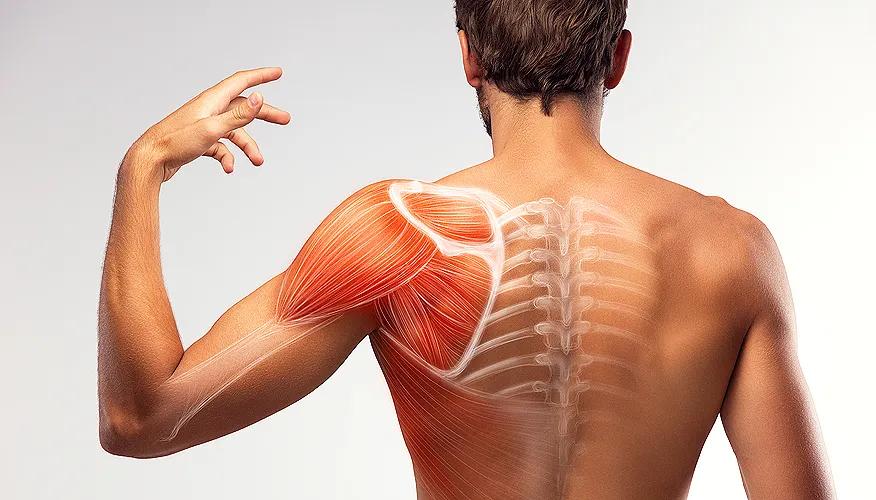
Let’s kick off with a brief introduction to the anatomy of the shoulder. The shoulder is one of the most complex joints in our body, comprised of several bones, muscles, tendons, and ligaments. Major components include the humerus (upper arm bone), the scapula (shoulder blade), and the clavicle (collarbone).
Together, they form a ball-and-socket joint. There's also a group of four muscles and their tendons known as the rotator cuff, which provides stability and enables diverse shoulder movements.
Now, due to its wide range of motion, the shoulder is vulnerable to various injuries and conditions. Common causes of shoulder pain include rotator cuff injuries, frozen shoulder, and shoulder impingement. Rotator cuff injuries typically occur due to overuse, trauma, or age-related wear and tear.
A frozen shoulder is a condition characterized by stiffness and pain in the joint. Shoulder impingement is caused by excessive rubbing of the shoulder muscles against the top part of the shoulder blade.
Benefits of physical therapy for shoulder pain
Physical therapy for shoulder pain has been proven beneficial in many ways. Here are the key advantages:
1. Pain reduction
- Targeted exercises: Specific exercises can help alleviate pain by strengthening the muscles around the shoulder and reducing strain on the injured area.
- Manual therapy: Techniques such as massage, joint mobilization, and manipulation can help reduce pain and improve movement.
2. Improved mobility and flexibility
- Stretching exercises: Regular stretching can enhance flexibility in the shoulder joint and surrounding muscles, making it easier to perform daily activities.
- Range-of-motion exercises: These exercises help restore normal movement in the shoulder joint, prevent stiffness, and improve overall function.
3. Enhanced strength
- Strengthening exercises: Building muscle strength around the shoulder can provide better support and stability, reducing the risk of further injury.
- Functional training: Exercises that mimic daily activities can help improve overall shoulder strength and coordination.
4. Injury prevention
- Education and training: Physical therapists educate patients on proper posture, body mechanics, and techniques to avoid shoulder injuries during physical activities.
- Preventative exercises: Incorporating exercises that target the rotator cuff and scapular muscles can help prevent future shoulder problems.
5. Post-surgical rehabilitation
- Recovery support: Physical therapy is crucial for a successful recovery after shoulder surgery. It helps restore function and strength.
- Customized rehabilitation plans: Tailored programs designed to meet each patient's specific needs ensure optimal recovery and a return to normal activities.
6. Improved quality of life
- Daily activity support: By improving shoulder function and reducing pain, physical therapy helps patients return to their daily activities and hobbies.
- Increased independence: With improved strength and mobility, patients can perform tasks more independently, enhancing their overall quality of life.
7. Reduced need for surgery
- Non-invasive treatment: Physical therapy offers a non-invasive approach to treating shoulder pain, which can reduce the need for surgical intervention.
- Cost-effective care: As a conservative treatment option, physical therapy can be a more affordable alternative to surgery and other medical treatments.
Initial assessment and diagnosis
A physical therapist begins with an initial assessment to understand your shoulder pain better.
This process usually involves observing your shoulder movements, palpating the area for sensitivity or deformity, and asking about your symptoms.
Common diagnostic tests used to identify the source of your shoulder pain include:
- X-rays: These provide images of the bones in your shoulder.
- MRI: This gives a detailed image of both bones and soft tissues, like tendons and ligaments.
- Ultrasound: This is used to visualize soft tissues and help guide if injections are needed.
Physical therapy techniques for shoulder pain

There are various physical therapy techniques that can be applied to alleviate shoulder pain. Each technique targets specific aspects of shoulder health to ensure comprehensive treatment.
1. Range of Motion Exercises
- Shoulder flexion and extension
- Flexion: Raise your arm forward and overhead as far as possible.
- Extension: Move your arm backward while keeping it straight.
- Pendulum exercises
- Lean forward with your arm hanging down. Swing your arm in small circles or back and forth to gently increase the range of motion.
- Cross-body stretch
- Bring your arm across your chest and use the other arm to gently press it closer to your body, stretching the shoulder.
These exercises are designed to improve flexibility and mobility, helping to restore the joint's normal function.
2. Strengthening exercises
- Rotator cuff strengthening
- External rotation: With your elbow bent at a right angle and tucked into your side, rotate your arm outward using a resistance band.
- Internal rotation: Rotate your arm inward against resistance, keeping your elbow at your side.
- Scapular stabilization
- Scapular squeeze: Sit or stand with your back straight. Squeeze your shoulder blades together and hold for a few seconds.
- Deltoid strengthening
- Lateral raises: Raise your arms out to the side until they are level with your shoulders, then lower them back down.
These exercises focus on improving shoulder stability and can be recommended based on your specific condition to ensure the best shoulder workout options.
3. Manual therapy techniques
- Massage therapy
- Gentle massage can help relieve muscle tension, reduce pain, and improve blood flow to the affected area.
- Joint mobilization
- Physical therapists use hands-on techniques to gently move the shoulder joint in specific directions to increase mobility and reduce pain.
Manual physical therapy techniques, such as massage and mobilization, can significantly reduce pain and improve joint function.
4. Modalities for pain relief
- Heat therapy
- Applying heat to the shoulder can relax muscles and improve blood circulation, which can reduce pain and stiffness.
- Cold therapy
- Applying ice can help reduce inflammation and numb the painful area, providing immediate relief.
- Ultrasound therapy
- Ultrasound waves can penetrate deep tissues, promoting healing and reducing pain and inflammation.
Using heat, ice, and ultrasound as modalities for pain relief helps manage pain effectively and supports the overall healing process.
Preventing future shoulder injuries
Maintaining shoulder strength and flexibility is essential to avoiding future injuries. Regular shoulder workouts at home or at a gym, along with arm and shoulder workouts, can contribute significantly.
Proper shoulder ergonomics and posture also play a critical role. For instance, when lifting heavy objects or performing activities that involve a lot of shoulder movements, it's important to use proper form and technique. Overuse injuries can be prevented by giving your body enough time to rest and recover between intense activities.
Conclusion
Navigating through shoulder pain can be challenging. However, with the right knowledge of your shoulder's anatomy and how it functions, an understanding of the benefits of physical therapy for shoulder pain, and armed with a range of exercises and techniques to strengthen your shoulder, you're well on your way to recovery.
Keep in mind that each person's situation is different, so it's vital to get an appropriate diagnosis before starting any exercises. Your physical therapist should tailor your treatment plan to fit your specific needs.
And remember - prevention is key! By maintaining regular workouts that include shoulder stretches and movements, and by being conscious of maintaining good posture, you'll be doing your part to keep your shoulders healthy for years to come.
Meet our expert

Meet our expert
Dr. Sharmila Samararanayake (MBBS, DCH) is a distinguished medical practitioner, currently serving in the Dermatology unit at the esteemed National Hospital of Sri Lanka. Graduating with honors from the renowned Faculty of Medicine in Colombo, Sri Lanka, she has continually pursued excellence in her field. Dr. Samararanayake holds a Diploma in Child Health from PGIM Colombo and a Diploma in Child Psychology from the American College, further expanding her expertise.



How was the experience with article?
We'd love to know!