
Only a few discomforting sensations can disrupt normal life, and vaginal itching would be somewhere at the top of the list, interrupting your focus, confidence, and often, peace. In clinical terms, this condition is called vulvovaginal pruritus (VVP), and it’s a localized itching or irritation that affects either the vulva, the vagina, or, in dreadful cases, both. Almost 70% of general practitioners said they encounter more than five patients every month with vulvar symptoms, and itching remains the most frequent among them.
What appears to be a simple irritation can be far more damaging if chronic vulvar itch persists. Women who live with it for long periods often report a decline in sexual satisfaction, body image, and even sleep quality. Studies on conditions such as genital psoriasis and lichen sclerosus repeatedly identify itch as the most bothersome symptom, rather than pain or visible lesions.
Therefore, understanding why vaginal itching starts boils down to understanding that it’s rarely a single-cause problem. It’s often a layered one, influenced by infections, external irritants, hormones, and even stress.
Common Causes of Vaginal Itching
The reason behind vaginal itching is both biological and psychological. While it all boils down to the external vulvar skin being fragile and more exposed to friction, the psychological effects, like stress, also contribute to the development of intense itching and discomfort.
Fragile Skin Barrier
Your vulva is also more vulnerable to moisture imbalance than the skin on most other parts of the body. This fragility means even everyday substances like soap, detergents, or synthetic underwear can trigger inflammation or allergic reactions.
Infections
Going beyond external factors, among the common causes of vaginal itching, infection-related vaginitis dominates the landscape. It doesn’t always come with identical symptoms, but the mechanism is almost always irritation and inflammation.
The first and most frequent of these culprits is vulvovaginal candidiasis (VVC), or yeast infection. About three out of four women experience it at least once in their lifetime. The infection results from an overgrowth of Candida albicans, a fungus that normally lives in the vagina in small amounts.
When this natural balance shifts, often following antibiotics, hormonal changes, or a weakened immune system, Candida can grow quickly. The symptoms can include a burning itch, some swelling, redness, and a thick white discharge that resembles cottage cheese.
A smaller yet important group of women experience something known as recurrent vulvovaginal candidiasis (RVVC), which is defined as having four or more infections in a year. These recurring cases often happen because of other species like Candida glabrata, which tend to be more resistant to standard antifungal treatments. In these situations, doctors usually suggest culture testing to determine the species before deciding on the best approach.
Bacterial Vaginosis (BV)
Bacterial vaginosis (BV) is the most common cause of vaginal infection among women of reproductive age. BV isn’t really an infection caused by an outside germ, but rather a situation where the helpful Lactobacillus bacteria drop significantly and are taken over by anaerobic species. However, BV rarely causes severe itching and is more renowned for the “fishy smell” down there.
Trichomoniasis
Another infectious cause, trichomoniasis, is the most widespread nonviral sexually transmitted infection worldwide. It’s caused by a protozoan parasite, Trichomonas vaginalis, and presents with a frothy yellow-green discharge, a burning sensation, and sometimes what clinicians call a “strawberry cervix.” The itching from trichomoniasis can be intense, often accompanied by pain during urination or intercourse.
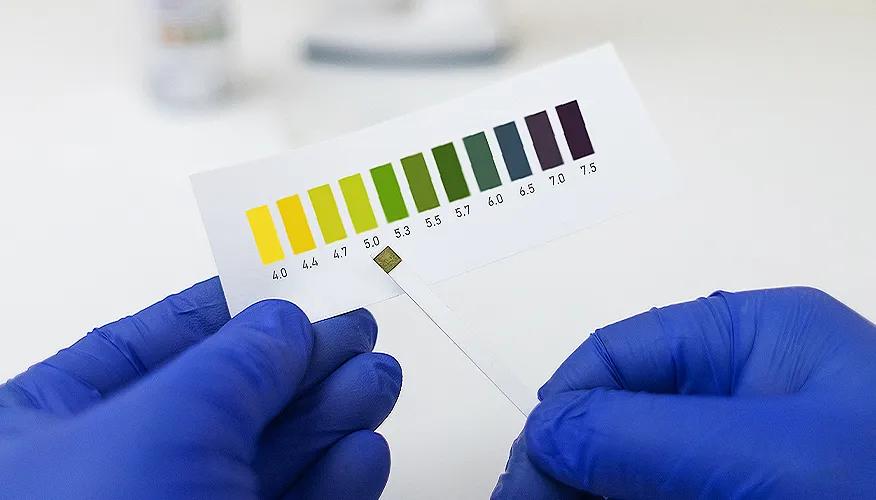
What’s important to recognize is that these infections often overlap. You can now be diagnosed with recurrent BV, but later report yeast infections. The cycle repeats because while the immediate pathogen gets treated, the vaginal ecosystem itself remains unstable. Restoring the protective Lactobacillus flora and maintaining pH balance is the real long-term cure.
Contact Dermatitis
Not all vaginal itching is infectious, though. In fact, nearly one in three cases has nothing to do with microbes. The cause instead lies in contact dermatitis, irritation triggered by a physical or chemical substance.
Irritant contact dermatitis occurs when a product directly damages your skin barrier. Everyday products like soaps, bubble baths, perfumes, and laundry detergents are common offenders. Allergic contact dermatitis occurs when your immune system reacts to certain ingredients, including but not limited to fragrances, preservatives, or specific types of latex found in condoms.
The Irony of Medicated Itching
Sometimes the medication meant to treat an infection, say, an antifungal cream or an antibiotic ointment, ends up being the very thing that prolongs the itch. The skin, already inflamed, reacts to additives or preservatives in the topical product, leading to allergies.
Chronic Skin Conditions
In addition to external irritants, chronic inflammatory skin conditions can also have an impact. Lichen sclerosus (LS) is a common noninfectious cause of chronic vulvar itch. It’s an autoimmune condition that causes the skin to become thin, white, shiny, and very delicate.
If not addressed, LS may result in scarring, a narrowing of the vaginal opening, and a slight risk of malignancy. Other similar conditions, such as Lichen Planus and Lichen Simplex Chronicus, also have persistent itching as the main symptom. In these situations, doctors usually carry out a small biopsy to confirm the diagnosis, as early detection can really enhance outcomes.
How to Stop Vaginal Itching
The first step to stopping vaginal itching is identifying its cause. If you suspect an infection, avoid self-diagnosis and get a professional exam. The treatment for yeast infection won’t work for BV, and antibiotics for BV can worsen yeast overgrowth.
For noninfectious causes, relief often begins with simplifying your routine. Use plain water or a non-perfumed emollient cleanser. Moisturize the vulvar skin with bland ointments like petroleum jelly or sorbolene after bathing. Avoid bubble baths, scented wipes, or daily liners. Switch to white cotton underwear and change out of wet clothes quickly.
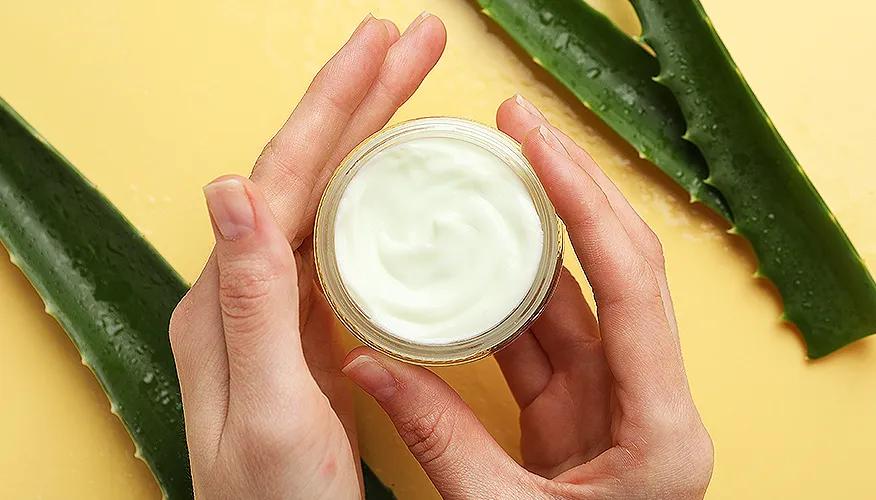
For intense itch, a cool compress or plain aloe vera gel can provide relief. Studies even suggest that aloe vera vaginal creams can perform comparably to low-dose estrogen creams for menopausal dryness and itching. If infections are ruled out, a mild over-the-counter hydrocortisone cream applied externally may calm inflammation, though it should never be inserted inside the vagina.
For chronic skin conditions like LS, prescription steroid ointments such as clobetasol are the standard of care. They are applied daily at first, then gradually reduced to a few times a week to maintain remission. Contrary to fear, when used correctly, these treatments prevent scarring and protect the tissue from long-term damage.
When to See a Doctor
You should contact your healthcare provider promptly if:
- Itching persists beyond a week despite avoidance of irritants and basic home care.
- There’s a surprising or unusual discharge that may be very colorful, frothy, or have an unpleasant smell, or there might be some unexplained spotting.
- You might see some noticeable changes to the vulvar skin, such as white patches, ulcers, thickened plaque, or lumps.
- You experience fever, pain during urination, or severe swelling.
Conclusion
Vaginal or vulvar itching is rarely trivial. Because the root causes range from infection to irritant exposure to hormonal and skin-related issues, identifying what drives the itch in your case is critical. With the right treatment, you can move from persistent discomfort to restoring comfort and confidence in your lower-genital health.
If you're experiencing minor itching, it may go away on its own. However, if the symptoms are persistent, severe, or keep coming back, it's a good idea to seek medical help.
Meet our expert

Meet our expert
Dr. Inna Anatolyivna Kirilyuk graduated from Vinnytsia National Medical University in 2008, marking the inception of her remarkable journey in healthcare. Following her graduation, Dr. Kirilyuk embarked on a path of continuous learning and specialization.



How was the experience with article?
We'd love to know!