
First things first, what is all the fuss about vaginal pH?
Well, your body is full of incredible systems working together to keep you healthy and balanced, and your vaginal pH is no exception.
Your vaginal pH is a measure of how acidic or alkaline your vagina is. Ideally, it is slightly acidic, with a pH between 3.8 and 4.5. This acidic environment helps keep things healthy by supporting “good” bacteria (like Lactobacillus) while keeping “bad” bacteria in check.
When your vaginal pH is balanced, everything feels normal, no itching, discomfort, or unusual odors. But when it becomes too alkaline, things can get out of whack, potentially leading to infections like bacterial vaginosis or yeast infections.
Understanding the importance of maintaining the right vaginal pH balance is key to feeling confident and in control of your body.
Let’s explore why this balance matters and how you can take simple steps to nurture it.
What can disrupt your vaginal pH?

Unfortunately, it doesn’t take much to throw off your vaginal pH. Everyday activities, and even natural processes, can shift things out of balance.
Here are some common causes:
1. Sexual intercourse
- Semen has a higher pH than your vagina, so after sex, your pH might temporarily become more alkaline.
- Your body usually restores the balance, but frequent exposure to semen can sometimes tip the scales.
2. Menstrual periods
- Your period can also be a culprit.
- Menstrual blood is more alkaline than your vaginal environment, and during this time, your pH can shift.
3. Douching and overwashing
- While it may seem like a good idea to stay extra clean, douching or using harsh soaps can actually strip away the good bacteria that help maintain your pH.
- Your vagina is self-cleaning, so less is more when it comes to hygiene down there!
4. Antibiotics
- Antibiotics do not just target bad bacteria, they wipe out the good bacteria, too.
- This can leave your vagina more vulnerable to imbalances and infections.
5. Hormonal changes
- Hormones play a big role in your vaginal health.
- During pregnancy, menopause, or when taking hormonal contraceptives, your estrogen levels fluctuate, which can affect your vaginal pH.
6. Tight clothes and synthetic fabrics
- Tight, non-breathable clothes can trap heat and moisture, creating a breeding ground for bacteria.
- Opt for cotton underwear and looser fabrics to keep things cool and dry.
Signs your vaginal pH might be off
So, how do you know if your vaginal pH is out of balance? Here are a few signs to look out for:
- Unpleasant odor: A strong, fishy smell could be a sign of bacterial vaginosis.
- Itching or irritation: If you’re feeling extra itchy or irritated, it could be due to a pH imbalance.
- Abnormal discharge: While discharge is totally normal, a noticeable change in color, consistency, or amount might indicate a problem.
- Frequent infections: If you are dealing with recurring bacterial vaginosis or yeast infections, your vaginal pH might be off.
How to restore and maintain a healthy vaginal pH?

Luckily, there are plenty of simple ways to help keep your vaginal pH in check.
Here is what you can do:
1. Practice safe sex
- Using condoms during sex can help minimize the impact of semen on your pH.
- Plus, condoms protect against sexually transmitted infections, which can also mess with your vaginal balance.
2. Skip the douching
- Your vagina does not need to be “extra clean.” Douching can do more harm than good by washing away beneficial bacteria.
- Stick to gentle washing with water and avoid harsh, scented products.
3. Choose breathable fabrics
- Go for cotton underwear and avoid tight clothing that traps moisture.
- Breathable fabrics help keep your vaginal area dry and reduce the chance of bacterial overgrowth.
4. Eat probiotics
- Probiotic-rich foods like yogurt, kefir, and sauerkraut contain healthy bacteria that can support your vaginal health.
- Adding these to your diet might help keep your pH balanced.
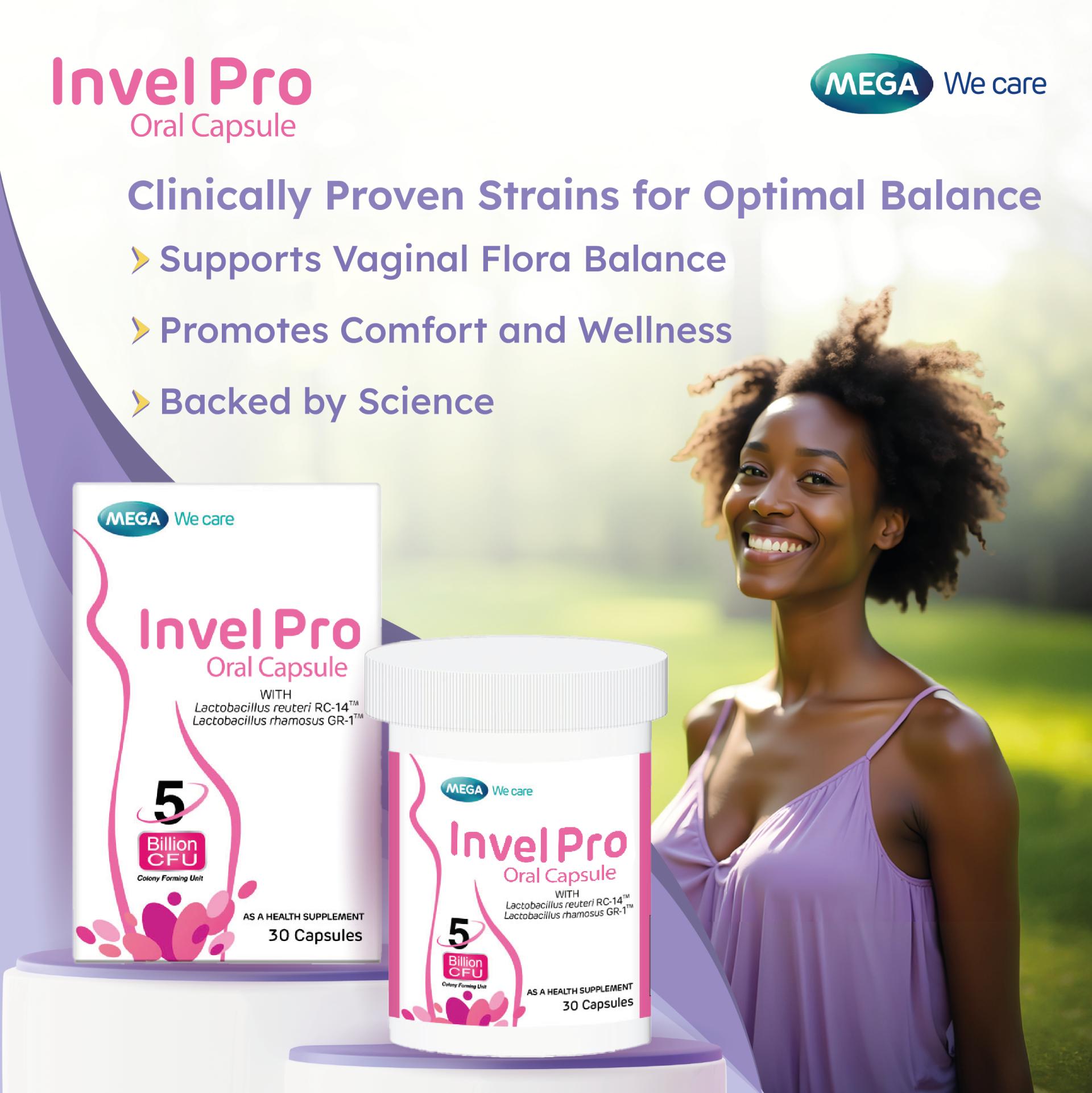
5. Use pH-balancing products
- Over-the-counter pH-balancing gels or suppositories can help restore balance if things feel off.
- Just be sure to consult your healthcare provider before trying something new.
6. Stay hydrated
- Drinking plenty of water is great for your overall health, and it helps keep things flowing smoothly in the vaginal area, too.
When should you see a doctor?
If you notice any persistent symptoms, it is always a good idea to check in with your doctor.
Here are a few signs that you might need professional advice:
- Persistent itching, burning, or discomfort.
- Unusual discharge or a strong odor that doesn’t go away.
- Frequent infections that keep coming back.
Your doctor can help figure out what is going on and recommend the best treatment.
Conclusion
Maintaining the right vaginal pH balance is not just about preventing infections—it's about listening to and honoring your body. This delicate balance plays a crucial role in how we feel every day, from our comfort to our confidence.
By making simple yet intentional choices, we protect not only our vaginal health but our overall well-being. So, take a moment to check in with your body, trust its signals, and commit to nurturing it with the care it deserves.
After all, feeling balanced and at ease starts with understanding and prioritizing what truly matters.
Meet our expert

Meet our expert
Dr. Inna Anatolyivna Kirilyuk graduated from Vinnytsia National Medical University in 2008, marking the inception of her remarkable journey in healthcare. Following her graduation, Dr. Kirilyuk embarked on a path of continuous learning and specialization.


How was the experience with article?
We'd love to know!