As women, our bodies are constantly communicating with us in ways that are both subtle and profound.
One of those silent yet essential messages is our vaginal pH balance—a detail that might seem small but plays a big role in how we feel, every single day. When this balance is right, we feel healthy and protected. But when it’s off, our bodies let us know, sometimes through discomfort, odor, or that unsettling feeling that something’s just not quite right.
Maintaining a balanced vaginal pH balance is crucial for overall health and well-being. A healthy vaginal pH balance helps protect against infections, odors, and discomfort, supporting an environment where beneficial bacteria thrive.
Our lives are busy, and it’s easy to overlook these quiet cues. But by paying attention and making small adjustments, we can feel more in sync and at ease. Here are some simple, caring ways to nurture this vaginal pH balance—a reminder that self-care often starts with listening to the little things.
Understanding vaginal pH
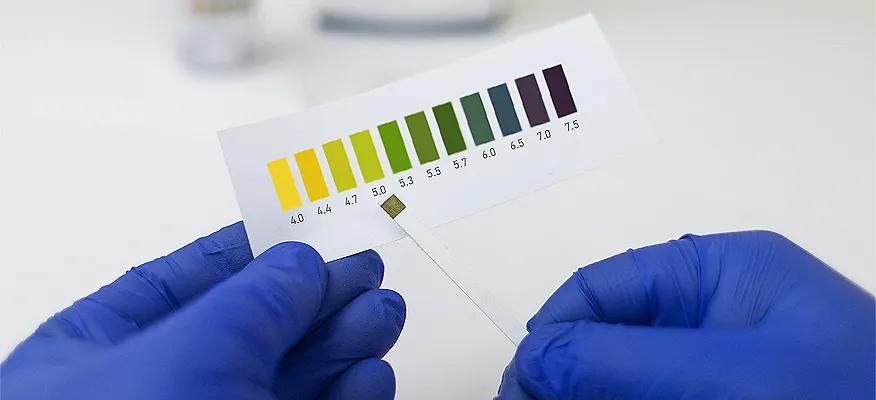
The natural pH level of the vagina ranges from 3.8 to 4.5, which is slightly acidic.
This acidity acts as a natural defense against harmful bacteria and infections. However, several factors, like hormonal changes, hygiene habits, and certain products, can disrupt this balance, causing pH to rise and increasing susceptibility to infections.
Tips for maintaining a healthy vaginal pH balance
1. Choose breathable underwear
- Opt for cotton underwear, which allows airflow and reduces moisture buildup, preventing an environment where harmful bacteria thrive.
- Avoid tight or synthetic fabrics that may trap heat and moisture.
2. Avoid over-washing
- While hygiene is essential, over-washing or using harsh soaps can disturb the vagina’s natural acidity.
- The vagina is self-cleaning and requires mild, unscented soap on the external area only.
- Avoid douching, as it can disrupt natural bacteria and lead to pH imbalance.
3. Stay hydrated
- Proper hydration supports all body functions, including maintaining pH balance.
- Drinking enough water flushes out toxins, which benefits your overall health, including vaginal wellness.
4. Use probiotics
- Probiotics, found in yogurt and supplements, promote the growth of healthy bacteria, which help balance pH. Probiotic-rich foods like kefir, sauerkraut, and kimchi may also aid in maintaining a balanced vaginal environment.
5. Avoid scented products
- Many feminine products like tampons, sprays, and wipes contain fragrances that can irritate the sensitive vaginal area, disrupting the natural pH.
- Stick with unscented products designed for sensitive skin to avoid imbalances.
6. Be mindful of menstrual products
- Tampons and pads can affect pH balance if not changed frequently.
- Choose unscented, chemical-free options, and change them every few hours to maintain cleanliness and prevent bacterial buildup.
7. Manage stress levels
- Stress affects hormones, which can in turn influence pH balance.
- Engaging in stress-reducing activities like yoga, meditation, or regular exercise can support hormonal health and pH balance.
8. Seek medical guidance when needed
- If you experience persistent discomfort, unusual discharge, or strong odors, consulting a healthcare provider can be helpful.
- They can guide you on pH-friendly practices or recommend tests to rule out infections.
Conclusion
Our bodies have a remarkable wisdom, and keeping the vagina’s pH balance in check is one of the most caring ways to support that wisdom. It’s a reminder to pause, listen, and respect the natural needs of our body. Maintaining a balanced pH isn’t about perfection; it’s about those small, steady choices—like choosing gentle products, staying hydrated, and eating well—that together support a healthier, happier you.
Remember, caring for your vaginal pH balance is more than just a health tip; it’s a meaningful part of self-care. By nurturing this balance, you’re honoring your body and creating a sense of well-being that lets you feel comfortable and confident in your own skin. Take it one day at a time, and always remember—you deserve to feel good, every day.
Meet our expert

Meet our expert
In her role as the Product Consultant Manager at Mega BiO-LiFE, Jillian Lai Mei Siew is instrumental in fostering a cohesive team spirit among all Product Consultants. Her primary objective is to ensure that each consultant is equipped with accurate and relevant health and nutritional information to better serve clients.

How was the experience with article?
We'd love to know!