Ever feel like your skin looks dull, your energy is low, or you’re just aging faster than you should?
What if your favorite snacks were partly to blame? Ultra-processed foods — think chips, sugary cereals, instant noodles, and packaged pastries — might be doing more than just adding extra calories. They could be speeding up your biological clock, making you age from the inside out.
From gut health to wrinkles, these foods mess with everything.
But don’t worry — we’re breaking it all down. How do ultra processed foods impact your body? What can you do to slow the process?
Let’s dive into the science behind it (without the boring jargon) and figure out how to stay younger for longer!
Understanding ultra-processed foods
Ultra-processed foods are industrial formulations made entirely or predominantly from substances extracted from foods, derived from food constituents, or synthesized in laboratories.
These products typically contain minimal whole foods and are engineered for convenience, shelf stability, and hyper-palatability. Common examples include sugary snacks, instant noodles, packaged baked goods, and carbonated drinks.
The consumption of ultra-processed foods has been linked to various health risks, including obesity, cardiovascular diseases, diabetes, and certain cancers.
Recent studies suggest that these foods may also accelerate biological aging, effectively fast-tracking our internal clocks and leading to premature aging.
In this blog we will know more about ultra processed foods.
How ultra-processed foods impact your biological clock

Biological aging refers to the gradual decline in physiological functions and the increased susceptibility to diseases over time.
Diet plays a crucial role in modulating this process. Diets high in ultra processed foods can induce chronic inflammation and oxidative stress, both of which are key drivers of aging.
Chronic inflammation, often termed "inflammaging," accelerates the aging process by damaging cells and tissues.
Ultra-processed foods are rich in additives, unhealthy fats, and sugars that promote inflammatory pathways.
Additionally, these foods can increase oxidative stress by generating free radicals, unstable molecules that damage cellular components, leading to accelerated aging.
The role of ultra-processed foods in premature aging
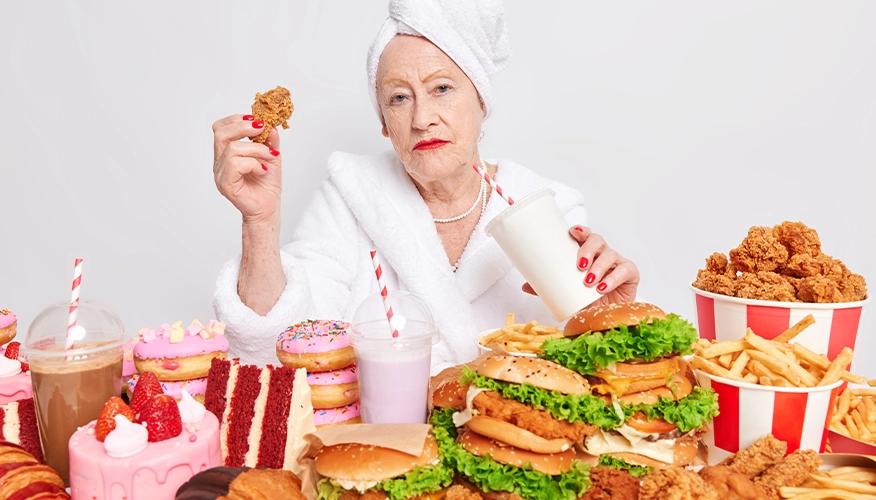
Wondering why processed food is bad?
Well, regular consumption of processed foods has been associated with both visible and internal signs of premature aging.
- Skin health: High sugar content in ultra processed foods can lead to the formation of advanced glycation end products (AGEs), which damage collagen and elastin fibers, resulting in wrinkles and loss of skin elasticity.
- Metabolic health: Ultra processed foods contribute to insulin resistance, weight gain, and metabolic syndrome, conditions that are typically associated with aging but are now appearing in younger populations due to poor dietary habits.
- Overall health: The nutrient-poor nature of ultra processed foods can lead to deficiencies that impair bodily functions, reduce energy levels, and decrease resilience against illnesses, all markers of accelerated aging.
Examples of ultra-processed foods to avoid
Identifying and reducing the intake of ultra-processed foods is essential for promoting healthy aging.
There are some common types of processed foods you can avoid. The examples of processed foods are:
- Sugary beverages: Sodas, energy drinks, and sweetened fruit juices.
- Packaged snacks: Chips, cookies, candy bars, and certain granola bars.
- Instant meals: Instant noodles, ready-to-eat soups, and frozen vegetarian dinners.
- Meat substitutes: Some vegetarian sausages, burgers, and faux meats that are highly processed.
- Sugary cereals: Breakfast cereals with high sugar content.

Tips for identifying ultra-processed foods:
- Read ingredient lists: Look for long lists with unfamiliar or unpronounceable ingredients, which often indicate high processing levels.
- Be wary of health claims: Products marketed as "low-fat" or "diet" can still be ultra-processed.
- Consider packaging: Heavily packaged items with long shelf lives are often ultra-processed.
Opting for whole, minimally processed foods such as fresh fruits, vegetables, whole grains, legumes, nuts, and seeds can support healthier aging and overall well-being.
Health risks of ultra processed foods beyond aging

Is processed food bad for you? Yes! Beyond accelerating aging, there are health risks of processed foods:
- Chronic diseases: Processed foods health risks are linked to an increased risk of cardiovascular diseases, type 2 diabetes, and certain cancers.
- Nutrient deficiencies: These foods are often low in essential nutrients, leading to deficiencies that can impair various bodily functions.
- Mental health impacts: Diets high in ultra processed foods have been associated with an increased risk of depression and anxiety.
Processed foods vs. minimally processed foods: What’s the difference?
Why are processed foods bad? Well, understanding the distinction between processed and minimally processed foods can guide.
| Aspect | Minimally-processed Foods | Ultra-processed Foods |
| Definition | Natural foods that have undergone minimal processing for preservation or safety, retaining most of their nutritional value and free from added chemicals. | Formulations of ingredients, mostly for industrial use, resulting from a series of industrial processes. They often contain little or no whole foods and are high in additives, preservatives, and artificial flavors. |
| Examples | Washed vegetables, roasted nuts, pasteurized milk, pre-chopped fruits, frozen vegetables. | Sugary snacks, instant noodles, packaged baked goods, carbonated drinks, ready-to-eat meals. |
| Nutrient Content | High in essential vitamins, minerals, and other nutrients vital for health. | Often high in unhealthy fats, sugars, and salts; low in essential nutrients and fiber. |
| Additives | Minimal to none; fewer artificial substances. | High in additives, preservatives, and artificial flavors. |
| Satiety and Weight Management | Higher fiber content promotes fullness, aiding in weight management. | Low fiber content may lead to overeating and weight gain. |
| Health Impact | Supports overall health and well-being; associated with lower risk of chronic diseases. | Linked to increased risk of obesity, cardiovascular diseases, diabetes, and accelerated aging. |
Benefits of Minimally Processed Foods:
- Nutrient Density: They provide essential vitamins, minerals, and other nutrients vital for health.
- Lower Additives: Minimal processing means fewer artificial substances.
- Satiety: Higher fiber content promotes fullness, aiding in weight management.
Prioritizing minimally processed foods can enhance nutrient intake and support healthier aging, while reducing consumption of ultra processed foods can mitigate health risks.
Can cutting out ultra-processed foods reverse premature aging?

While reversing aging entirely isn't possible, reducing or eliminating ultra-processed foods from your diet can slow premature aging and enhance overall health.
Here are actionable steps to consider:
1. Incorporate whole foods
- Emphasize fruits, vegetables, whole grains, lean proteins, and healthy fats in your meals.
- These foods provide essential nutrients that support bodily functions and combat oxidative stress.
2. Cook at home
- Preparing meals at home allows you to manage the quality and quantity of ingredients, reducing reliance on ultra processed foods.
- This practice can lead to healthier eating habits and better nutritional intake.
3. Plan meals
- Planning meals ahead helps prevent the temptation to opt for quick, ultra-processed options.
- It ensures that healthier choices are readily available, supporting consistent dietary habits.
4. Stay hydrated
- Opt for water or herbal teas over sugary drinks.
- Proper hydration supports skin health and overall bodily functions, contributing to a more youthful appearance.
5. Read food labels
- Develop the habit of reading food labels to identify and avoid products high in additives, preservatives, and artificial ingredients.
- This practice can help reduce the intake of ultra processed foods.
6. Gradual changes
- Making gradual dietary changes can lead to more sustainable habits.
- Start by replacing one ultra-processed item with a whole food alternative each week.
- By adopting these strategies, you can reduce the consumption of ultra processed foods, potentially slowing premature aging and improving overall health.
Conclusion
Aging is inevitable, but how fast it happens?
That’s something you can control. Ultra-processed foods might be convenient, but they come at a cost—speeding up your biological clock, draining your energy, and even affecting your skin.
The good news? Small swaps make a big difference.
Choosing whole, nutrient-rich foods doesn’t mean giving up on taste or convenience—it just means fueling your body better. So, next time you reach for a snack, ask yourself: Is this feeding my body or fast-tracking my aging? Your future self will thank you.
Meet our expert

Meet our expert
Dr Adwoa Agyei-Nkansah is a fellow of the West African College of Physicians, a fellow of the Royal College of Physicians, London and a member of the American College of physicians.



How was the experience with article?
We'd love to know!