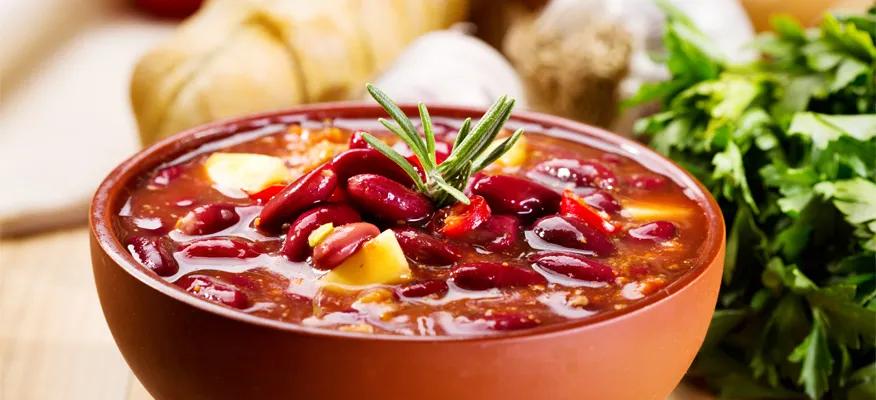
Red bean soup is rich in iron, magnesium, fiber, and antioxidants that may help support energy, digestion, and menstrual comfort during periods.
Red bean soup, also known as adzuki bean soup, is an extremely popular traditional Asian dessert. Be it the Japanese red bean, red bean paste from Malaysia, or a simple Chinese red bean soup recipe, red beans are an extremely popular ingredient used in dishes. They’re native to East Asia and typically served as a sweet soup, or sometimes even as a paste.
Red bean soup may support period comfort because red beans provide iron, magnesium, potassium, fiber, and antioxidants that help replenish nutrients and support digestion during menstruation.
We’re sure you’ve heard of the famous green or mung bean soup. It’s another kind of sweet soup that is popular in these countries and beyond.
Adzuki bean soup has multiple health benefits, including relief from cardiovascular diseases and better blood pressure. It also eases diabetes, and helps with period cramps as well.
It’s a miracle what this one red bean dessert can do! Read on to know more.
What Are Red Beans?
Red beans, also known as adzuki beans, are small, reddish-brown beans commonly used in various culinary applications. They are popular in East Asian cuisine, particularly in Japan, China, and Korea, where they are used in both sweet and savory dishes.
In savory dishes, red beans are often cooked and sweetened to make a paste used as a filling in various desserts. In Japanese cuisine, for example, sweet red bean paste, known as "anko," is commonly used in traditional sweets like dorayaki and taiyaki.
Red beans are nutritious and rich in protein, fiber, and various vitamins and minerals. They have a slightly sweet taste, making them versatile for both sweet and savory recipes.
Nutritional Composition of Red Beans
Red beans, also known as adzuki beans, are a rich source of nutrients that can be beneficial during menstruation. They contain essential vitamins, minerals, and compounds like iron, magnesium, potassium, zinc, folate, and B vitamins. These nutrients play a vital role in maintaining overall health and combating menstrual-related issues. Here is a general overview of the nutritional composition of cooked red beans, per 100 grams:
1. Calories: Approximately 127 calorie
2. Protein: Red beans are a good source of plant-based protein, providing around 8.7 grams per 100 grams.
3. Carbohydrates: Red Beans are a carbohydrate-rich food, with about 22.8 grams per 100 grams.
4. Fiber: Red beans are high in dietary fiber, offering around 6.4 grams per 100 grams. This can contribute to digestive health and help regulate blood sugar levels.
5. Fat: Red beans are low in fat, providing about 0.5 grams per 100 grams.
6. Vitamins and Minerals:
- Vitamin K: Red beans contain vitamin K, essential for blood clotting and bone health.
- Folate (Vitamin B9): Red beans provide folate (Vitamin B9), an important nutrient crucial for fetal development, especially for pregnant women.
- Iron: Red beans are a good source of iron, important for oxygen transport in the blood.
- Magnesium: Red beans contain magnesium, essential for various physiological functions, including muscle and nerve function.
- Phosphorus: Red beans contribute to phosphorus intake, important for bone health and energy metabolism.
- Potassium: Red beans supply potassium, which contributes to heart health and helps regulate blood pressure.
- Copper: Red beans also contain copper, playing a role in the formation of red blood cells and connective tissues.
7. Antioxidants: Red beans contain antioxidants that help neutralize free radicals in the body, potentially reducing the risk of chronic diseases.
8. Low Glycemic Index: Red beans have a relatively low glycemic index, meaning they have a smaller impact on blood sugar levels.
It's important to note that these values can vary slightly based on factors such as cooking methods and specific varieties of red beans.
Health Benefits of Red Beans
Red beans offer several health benefits, making them a nutritious addition to your diet. Here are some of the potential benefits of red beans:
- Rich in Nutrients: Red beans are a good source of essential nutrients, including protein, fiber, folate, potassium, magnesium, and iron. They provide a well-rounded nutritional profile that can contribute to overall health.
- High in Fiber: Red beans are an excellent source of dietary fiber, which is beneficial for digestive health. Fiber helps regulate bowel movements, prevent constipation, and may contribute to a feeling of fullness, aiding in weight management.
- Protein Content: Red beans are a plant-based protein source, making them an important component of vegetarian and vegan diets. Protein plays a crucial role in maintaining and repairing muscles, as well as supporting overall body function.
- Low in Fat: Red beans are low in fat, particularly saturated fat. A diet low in saturated fat may contribute to heart health and help manage cholesterol levels.
- Antioxidant Properties: Red beans contain antioxidants, such as anthocyanins, which can help neutralize harmful free radicals in the body. Antioxidants help lower stress and inflammation by tackling oxidative damage.
- Blood Sugar Regulation: The fiber content in red beans may contribute to better blood sugar control by slowing down the absorption of sugars. This can be especially advantageous for people with diabetes or those prone to developing the condition.
- Heart Health: The combination of fiber, potassium, and magnesium in red beans can contribute to cardiovascular health. These nutrients may help regulate blood pressure, reduce the risk of stroke, and support overall heart function.
- Weight Management: The fiber and protein content in red beans can promote a feeling of fullness, potentially helping with weight management by reducing overall calorie intake.
- Bone Health: Red beans contain minerals like magnesium and phosphorus, which are important for bone health. These minerals contribute to the maintenance of strong and healthy bones.
- Versatile in Cooking: Red beans are versatile and can be used in a variety of dishes, including soups, stews, salads, and desserts. This makes it easy to incorporate them into a balanced and diverse diet.
It's important to note that while red beans offer numerous health benefits, individuals with certain dietary restrictions or health conditions should consult with a healthcare professional or a nutritionist before making significant changes to their diet.
What Is Red Bean Soup?
Red bean soup is a traditional Asian dessert soup made from red beans, typically adzuki beans. Adzuki beans are small, red beans that are sweet in flavor and commonly used in various Asian cuisines. The soup is often sweetened with sugar or other sweeteners and may include additional ingredients like glutinous rice balls, lotus seeds, or pieces of sweet potato.
The red bean soup is prepared by boiling the adzuki beans until they become soft and release their natural sweetness. The soup can be served hot or cold, depending on personal preference and cultural variations. In some regions, it is enjoyed as a dessert or a snack, and it is particularly popular in East Asian countries such as China, Japan, Korea, and Taiwan.
Red bean soup is not only appreciated for its sweet taste but also for its cultural significance in many Asian culinary traditions. It is often considered a comfort food and is enjoyed in various forms across different Asian cultures.
‘Sup kacang merah’ as it is known in Malaysia and other Southeast Asian countries, is a sweet red bean soup made from adzuki beans. Simple yet delicious, this is a dish that is often served as a dessert or a snack.
The nutritional value of red beans is immense, which is what makes this soup packed with benefits as well as flavor. While there are different types of red beans, adzuki beans in particular are more commonly used and rich in protein, dietary fiber, antioxidants, and complex carbohydrates. Plus, they’re also low in fat, making it a great option for an after-meal dessert.
Nutrition Facts of Red Bean Soup
The nutrition facts of red bean soup can vary based on the specific recipe and ingredients used. However, I can provide a general overview of the nutritional content commonly found in a basic red bean soup made with common ingredients. Note that these values are approximate and can vary:
Ingredients (per serving):
1. Red beans: 1/2 cup (cooked)
2. Water or broth: 1 cup
3. Onions: 1/4 cup (diced)
4. Tomatoes: 1/4 cup (diced)
5. Carrots: 1/4 cup (sliced)
6. Celery: 1/4 cup (sliced)
7. Garlic: 1 clove (minced)
8. Olive oil: 1 teaspoon
9. Salt and pepper to taste
Nutritional Content (per serving):
1. Calories: 150-200 kcal
2. Protein: 8-10g
3. Carbohydrates: 25-30g
- Dietary Fiber: 8-10g
- Sugars: 3-5g
4. Fat: 2-3g
- Saturated Fat: 0.5g
- Unsaturated Fat: 1.5-2.5g
5. Sodium: 500-700mg (depending on added salt)
6. Vitamins and minerals:
- Vitamin A: 20-30% of daily recommended intake
- Vitamin C: 15-20% of daily recommended intake
- Iron: 10-15% of daily recommended intake
- Calcium: 4-6% of daily recommended intake
These values are estimates and can vary based on the specific ingredients and quantities used in your red bean soup recipe. Additionally, canned or pre-packaged versions of red bean soup may have different nutritional profiles, so it's essential to check the product label for accurate information.

Red Bean Soup Benefits for Period Cramps
Red bean soup, a beloved dessert in many Asian cuisines, has numerous benefits for women during their menstrual cycle. Red bean soup benefits for periods are given below:
- Iron-Rich Content: Red beans are a good source of iron, an essential mineral that plays a crucial role in preventing iron-deficiency anemia. Women often experience blood loss during their menstrual cycle, leading to decreased iron levels and an increased risk of anemia. Consuming iron-rich foods like red bean soup can help replenish lost iron, combat fatigue, and prevent anemia. Maintaining healthy iron levels is essential for overall well-being, providing crucial support during menstruation.
- Nutrient Support: Red bean soup provides a variety of nutrients, including vitamins and minerals, that contribute to overall well-being. These nutrients may help support the body during the menstrual cycle, promoting energy and vitality.
- Protein Source: Red bean soup is a nutritious and protein-rich option for menstrual health. Packed with essential amino acids, it helps replenish the body's energy during this time. The high protein content in red beans supports muscle function and overall well-being. Including this soup in your diet may contribute to better menstrual comfort and hormonal balance. Additionally, the iron content in red beans aids in replenishing iron levels, which is especially important during menstruation.
- Blood Sugar Regulation: Red bean soup may help regulate blood sugar during periods due to its low glycemic index and high fiber content. The slow release of carbohydrates helps prevent rapid spikes in blood sugar levels. Additionally, the fiber promotes better blood sugar control by slowing down digestion and improving insulin sensitivity. Consuming red bean soup during periods may contribute to stable energy levels and reduced cravings for sugary foods. However, individual reactions may differ, highlighting the importance of sustaining a well-rounded diet for optimal overall health.
- Magnesium and Potassium: Menstrual cramps, caused by uterine contractions, can lead to discomfort. Red beans contain substantial amounts of magnesium and potassium, minerals known for their muscle-relaxing properties. These minerals may alleviate menstrual cramps by soothing muscle tension.
- Folate for Hormonal Balance: Red beans contain folate, a B-vitamin essential for red blood cell formation. Additionally, folate plays a role in stabilizing mood swings linked to hormonal fluctuations during menstruation. Adequate folate intake may contribute to emotional well-being during this time.
- Fiber Content for Digestive Health: Red beans are high in dietary fiber, aiding in digestion and promoting regular bowel movements. Maintaining proper digestive health during menstruation can reduce bloating and discomfort commonly experienced during this time.
- Antioxidant-Rich Properties: Red bean soup, rich in antioxidants like flavonoids and phenolic compounds, helps combat oxidative stress caused by hormonal changes during menstruation. These antioxidants neutralize harmful free radicals, reducing inflammation and potentially easing menstrual discomfort. Incorporating this soup into your diet during periods may offer antioxidant support, aiding in managing hormonal fluctuations and inflammation.
- Phytoestrogens: Red beans contain phytoestrogens, plant-based compounds with a chemical structure similar to estrogen, a female hormone. During menstruation, hormonal fluctuations can lead to various symptoms such as mood swings and menstrual irregularities. Phytoestrogens may help regulate hormonal balance by mimicking the action of estrogen in the body. Consuming foods rich in phytoestrogens, like red beans, may potentially alleviate some menstrual symptoms by supporting hormonal equilibrium.
- Soothing Properties: Red bean soup is known for its soothing properties during periods due to its rich iron content, which helps replenish blood lost during menstruation. The high fiber content aids in regulating bowel movements, alleviating discomfort commonly associated with menstrual cycles. Additionally, red beans contain magnesium, which can help reduce muscle cramps and promote relaxation. The warmth and comfort of red bean soup can have a calming and soothing effect, providing emotional support during periods, which can be a challenging time for some women. The soup's nutritional profile, including vitamins and antioxidants, contributes to overall well-being and may help ease menstrual symptoms. Incorporating red bean soup into the diet can be a comforting and nutritious way to support women's health during their menstrual cycles.
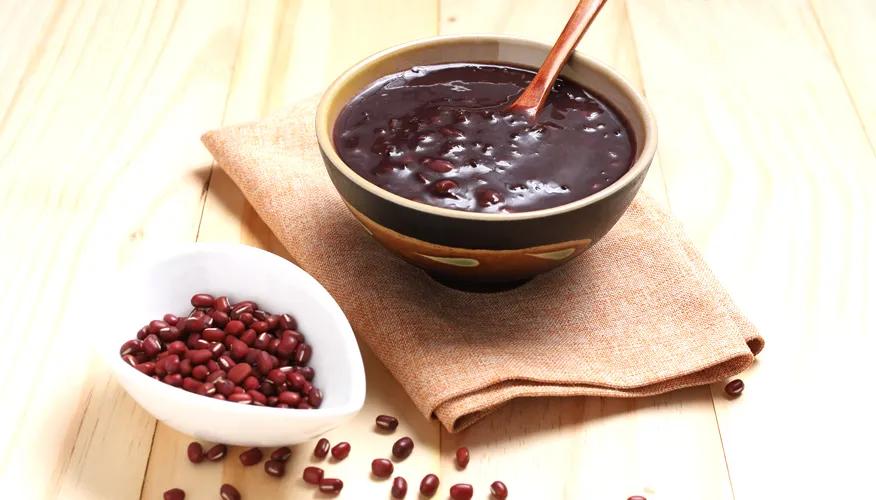
Best Red Bean Soup Recipes for Period Comfort
There are various ways to prepare red bean or adzuki bean soup. While a traditional Chinese red bean soup recipe is made with a sweetener of your choice, many have tweaked it and experimented with other ingredients and flavors. Some add pandan leaves to the boiling beans for an earthy taste, and others add in ingredients of their choice in addition to that.
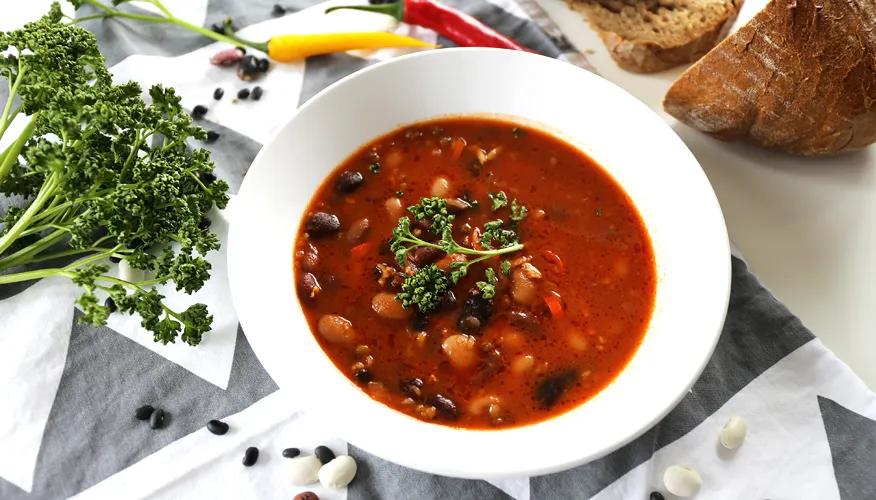
The time of one’s period can be extremely exhausting. Cooking from scratch, soaking and boiling the beans is a task in itself. You can alternatively also choose to swap out that entire process by trying recipes with red bean paste. Just combine water with your paste of choice - red beans in Malaysia come in the form of great pastes as well. And that’s it, your soup is ready.
Some of the best red bean soup recipes that are ideal for when one is on their period are below.
1. Traditional Chinese Red Bean Soup
- A basic red bean soup made from red beans, water, and rock sugar.
- You may also add some orange zest or tangerine peel for an added zing.
This simple version provides the key nutrients and sweetness that many find soothing. Chinese red bean soup benefits are immense, and this simple Chinese recipe is tried and tested to be the best. It’s something you’ll definitely come across at a Cantonese banquet as a kind of light yet rich dessert soup, and you’re certain to love it!
2. Red Bean and Ginger Soup
Another simple red bean soup recipe is with some ginger in it.
- Prepare your red bean soup.
- Add ginger to and cook it for a while.
Adding fresh ginger to your red bean soup can help alleviate menstrual cramps and reduce inflammation. Ginger is known for its anti-inflammatory properties, and this soup is like a warm embrace, perfect to ease your pain.
3. Red Bean Soup With Sweet Potato
This variation combines soft, sweet potatoes with the nutty sweetness of red beans. This adds a comforting and indulgent aspect to the soup.
- Boil the potatoes separately.
- Add them to your simmering red bean soup.
4. Red Bean Soup With Tang Yuan
Tang Yuan or soft and sticky mochi balls are not just a delicacy, but a comfort food as well. They’re cute and an adorable addition to your red bean soup.
- A tang yuan red bean soup simply needs the tang yuan to be boiled and then the red bean soup is ladled over it.
- You can make your own tang yuan or opt for store bought ones with different fillings.
5. Mexican Red Bean Soup
This one is very different from the rest on the list. Mexican red bean soups are usually more savory than sweet. You’ll find that they’re the same as a red kidney bean soup recipe.
- This soup needs some sauteed peppers of your choice and a garnish of sour cream, avocado, and cheese.
It has all the red bean soup nutrition, and an entirely new flavor palate that’s great for you to change things up.
6. Red Bean With Coconut Milk
This variation combines the creaminess of coconut milk with the nutty sweetness of red beans. Coconut milk can add a comforting and indulgent aspect to the soup. It’s hydrating for when you’re on your period and helps balance the electrolytes in the body.
- Add a little bit of coconut milk to your red bean soup.
- Let it simmer.
That’s all you’ll have to do for this silky dessert soup.
7. Sago Red Bean Soup
This is a very popular combination and is ready in a jiffy.
- All you’ll need to do is bring some sago pearls to a boil and rinse them.
- Then, add them to your simmering red bean soup and stir.
And that’s it, your chewy and sweet soup is ready! Sago pearls are amazing for reducing cravings and are a new texture that you’re introducing to your soup that you’ll enjoy eating.
Conclusion
In the end, red bean soup is a dish that does wonders for period cramps and your overall menstrual health. Red bean soup benefits for period factor in your mood and the kind of physical stress your body is under.
You needn’t worry about red bean soup calories or other effects since it’s a food that is safe on all fronts. Simple to make, delicious to eat, and loaded with nutrients, you must bookmark this!
Meet our expert
.webp&w=1920&q=75)
Meet our expert
Dr. Kulyk Alexander Petrovich is a Ukraine-based gynecologist, with extensive experience in women's health. In 1995, he graduated from the Kyiv Medical University, and specialized in gynecology. He then went on to work as a gynecologist in the Institute of Pediatric, Obstetrics and Gynecology in Kyiv, where he worked until the year 2000.



How was the experience with article?
We'd love to know!