It’s a beautiful day outside—the sun is shining, the birds are chirping, and you’re feeling great! Until you sit down to enjoy your morning coffee and find yourself interrupted by a sudden, sneaky headache. Don’t you just hate it when that happens?
In our busy lives, minor health annoyances like headaches, memory lapses, or even those pesky seasonal allergies can occasionally throw a wrench into our plans. We often resort to over-the-counter remedies for quick fixes. But have you ever considered natural alternatives that could help manage these issues more holistically?
Well then, it might be time to get introduced to Gingko biloba! With its fan-shaped leaves and healthy properties, this ancient plant could be a game-changer in your routine.
Let’s dive into understanding more about this wonder herb and how it can potentially boost your health in ways you never imagined. Buckle up as we dive into the world of Gingko biloba!
Overview of ginkgo biloba
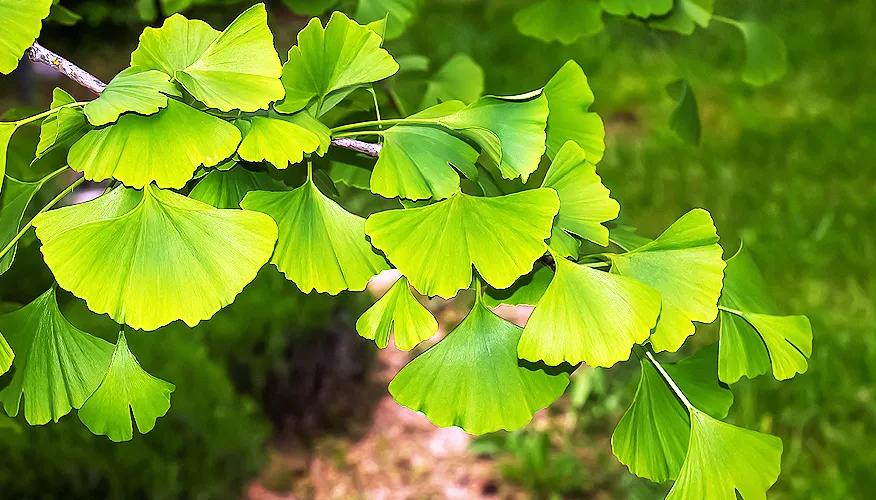
Ginkgo biloba, often called ‘ginkgo’, is one of the oldest living tree species. This unique tree is native to China and has been used in traditional medicine for thousands of years. With its fan-shaped leaves and unique properties, the ginkgo tree is truly a marvel.
Ginkgo biloba supplements are extracted from the leaves of the ginkgo tree, and they are packed with beneficial compounds. These include powerful antioxidants and plant-based compounds known as flavonoids and terpenoids.
Antioxidants help combat damaging particles in the body known as free radicals, while flavonoids and terpenoids promote healthy blood flow and reduce inflammation.
Uses and benefits
Ginkgo biloba is renowned for its extensive health benefits due to its rich array of active compounds.
Here’s an in-depth look at how this ancient plant can positively impact various aspects of health:
Cognitive health
- Ginkgo biloba is widely recognized for its potential cognitive benefits. It is believed to enhance brain function and mental clarity by improving cerebral blood flow.
- The key compounds in ginkgo, such as flavonoids and terpenoids, may help protect brain cells from oxidative damage.
- Research indicates that regular supplementation might improve memory, concentration, and overall cognitive performance.
- Furthermore, it has been studied for its potential role in managing symptoms of neurodegenerative diseases like Alzheimer’s and dementia.
- Some clinical trials suggest that it could contribute to slowing cognitive decline and enhancing the quality of life for those affected by these conditions.
Circulatory health
- Ginkgo biloba’s circulatory benefits stem from its ability to improve blood flow. The plant contains compounds that can help dilate blood vessels, thereby enhancing circulation throughout the body.
- This improved blood flow can be beneficial in managing various cardiovascular issues, including peripheral artery disease and hypertension.
- Enhanced circulation can also help reduce symptoms of conditions related to poor blood flow, such as cold extremities and varicose veins.
Eye health
- Ginkgo biloba’s antioxidant properties play a crucial role in maintaining eye health. Its active ingredients help combat oxidative stress, which is known to contribute to age-related vision problems.
- By neutralizing free radicals, ginkgo can potentially reduce the risk of conditions such as macular degeneration and glaucoma. Some studies have shown that it might help improve visual function and protect against retinal damage.
Mental health
- Ginkgo biloba is also explored for its potential effects on mental health. It may help manage anxiety and stress by modulating neurotransmitter levels and improving overall mood.
- The plant’s ability to enhance circulation and reduce oxidative stress might also contribute to a more balanced emotional state.
- While some research supports its use in reducing symptoms of anxiety and depression, more studies are needed to fully understand its effectiveness and mechanisms in mental health.
How to take ginkgo biloba
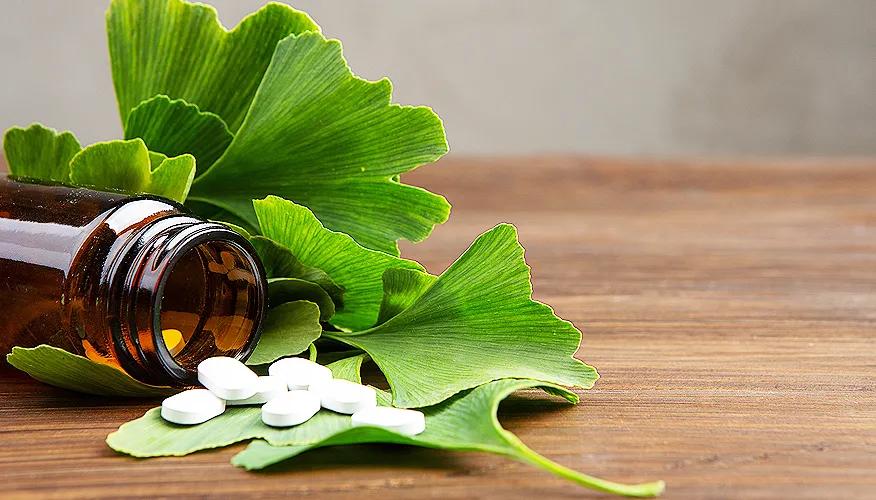
Taking ginkgo biloba is generally straightforward, but understanding the different forms, dosages, and timing can help you maximize its benefits.

Here’s a detailed guide to help you:
Form
Ginkgo biloba is available in several forms, each offering its own set of advantages.
Common forms include:
Tablets and capsules: These are the most popular and convenient options. They are easy to incorporate into a daily routine and provide a precise dosage.
Liquid extracts: These offer a more concentrated form of ginkgo biloba and can be mixed with water or other beverages. They may be beneficial for those who have difficulty swallowing tablets or capsules.
Tea: Ginkgo biloba tea is a more traditional form and can be a soothing way to consume the herb. However, it may offer a lower concentration of active ingredients compared to capsules or extracts.
Powder: Some people prefer powdered ginkgo biloba, which can be added to smoothies or other foods. This form allows for flexible dosage adjustments but may require careful measurement.
Dosage: The appropriate dosage of ginkgo biloba can vary based on individual health goals and conditions. General recommendations are:
- For cognitive support: A common dosage range is between 120 and 240 mg per day, usually divided into two or three doses.
- For circulatory health: Dosages can range from 120 to 600 mg per day, depending on the severity of symptoms and individual health needs.
For other uses: The dosage might vary, and it's essential to tailor it to specific health conditions or symptoms.
Always consult with a healthcare provider before starting ginkgo biloba to determine the most appropriate dosage for your needs and to avoid potential interactions with other medications.
Timing
The timing of ginkgo biloba intake can influence its effectiveness:
- Daily routine: It is generally recommended that you split the daily dosage into two or three smaller doses throughout the day. This helps maintain steady levels of the active compounds in your body.
- Consistency: Taking ginkgo biloba at the same times each day can help ensure a consistent level of the herb’s active ingredients.
- With or without food: Ginkgo biloba can be taken with or without food. However, if it causes gastrointestinal discomfort, try taking it with meals to minimize this effect.
Potential risks and side effects
Like any supplement, ginkgo biloba carries potential risks and side effects that should be considered before use.
Common side effects
While many people tolerate ginkgo biloba well, some may experience mild to moderate side effects. These can include:
- Digestive issues: Some users report experiencing nausea, diarrhea, or stomach discomfort after taking ginkgo biloba. These symptoms are usually mild and temporary but can be bothersome for some individuals.
- Headaches: Ginkgo biloba may cause headaches in some users, particularly when starting the supplement or increasing the dosage.
- Allergic reactions: Although rare, allergic reactions to ginkgo biloba can occur. Symptoms may include skin rashes, itching, or difficulty breathing. If you experience any signs of an allergic reaction, discontinue use immediately and seek medical attention.
Potential interactions with medications
Ginkgo biloba can interact with certain medications, leading to potentially harmful effects. It is crucial to be aware of these interactions, especially if you are taking other drugs.
Common interactions include:
- Blood thinners: Ginkgo biloba may increase the risk of bleeding when taken with blood-thinning medications like warfarin, aspirin, or clopidogrel. This is because ginkgo can inhibit platelet aggregation, a crucial process for blood clotting.
- Antidepressants: Combining ginkgo biloba with certain antidepressants, especially selective serotonin reuptake inhibitors (SSRIs), can increase the risk of serotonin syndrome, a potentially life-threatening condition.
- Anticonvulsants: Ginkgo biloba may reduce the effectiveness of anticonvulsant medications, potentially increasing the risk of seizures in individuals with epilepsy or seizure disorders.
Special considerations and precautions
Certain individuals should exercise caution when considering ginkgo biloba supplements:
- Pregnant or breastfeeding women: The safety of ginkgo biloba during pregnancy and breastfeeding has not been established. It is advisable to avoid its use during these periods unless recommended by a healthcare provider.
- Individuals with bleeding disorders: Due to its potential effects on blood clotting, people with bleeding disorders should avoid ginkgo biloba or use it only under medical supervision.
Pre-surgery: It is recommended to discontinue ginkgo biloba at least two weeks before any surgical procedure to reduce the risk of excessive bleeding during and after surgery.
VITACAP
Conclusion
Ginkgo biloba remains a popular plant-based supplement due to its potential health benefits, particularly in improving memory and cognitive function. The antioxidants in this 'living fossil' can be a great addition to your neutraceutical toolbox. But like any other dietary supplement, it's always essential to use ginkgo biloba responsibly.
Be aware of its potential side effects and interactions with other medications. Remember to always consult your healthcare provider before incorporating any new supplements into your routine. By doing so, you can ensure that you’re choosing the best path toward achieving your health goals in the safest way possible.
In the world of neutraceuticals, there's no 'one-size-fits-all' solution, but with a bit of research and guidance, you can find the regimen that works best for your unique needs.
Meet our expert

Meet our expert
In her role as the Product Consultant Manager at Mega BiO-LiFE, Jillian Lai Mei Siew is instrumental in fostering a cohesive team spirit among all Product Consultants. Her primary objective is to ensure that each consultant is equipped with accurate and relevant health and nutritional information to better serve clients.



How was the experience with article?
We'd love to know!