
Ever heard of sky fruit? If you haven’t, you're not alone.
Sky fruit isn’t something you’ll find in your neighborhood fruit bowl — but it probably should be. This winged seed from the mahogany tree has been quietly used in traditional medicine for generations, and now it's starting to catch the eye of modern wellness seekers.
Why? Because packed inside this earthy-looking pod are powerful compounds — antioxidants, flavonoids, and saponins — that support your heart, blood sugar, and even stamina.
With its intriguing name, it almost sounds like something that is otherworldly, yet this fruit is very real. Though it may not be gracing our supermarket shelves just yet, this fruit holds potential benefits that could make it a staple in your wellness routine.
Whether you're curious about sky fruit benefits, how it can be used as a natural remedy for health issues, or seeking an addition to your well-being routine, the sky fruit could be your next go-to for natural health support.
What is Sky fruit?

Sky fruit refers to the seed of the Swietenia macrophylla tree, a tropical hardwood tree widely known as mahogany. This tree is native to South and Central America but is also abundantly found in Southeast Asia, particularly Malaysia and Indonesia. In Malay, it is commonly called "Buah Tunjuk Langit," which translates to "fruit that points to the sky" — a name inspired by the unique way the fruit hangs on the tree, with its stalk pointing upward.
While the tree is famously prized for its high-quality timber, its seeds — known as sky fruit — have long been used in traditional medicine for their remarkable health benefits. These seeds are rich in flavonoids, saponins, antioxidants, essential fatty acids, and plant-based nutrients, making them a popular natural remedy.
In many South and Southeast Asian cultures, sky fruit is regarded as an age-old remedy for regulating blood sugar levels. It has gained popularity as a natural alternative to help manage chronic conditions like diabetes, high blood pressure, and inflammation. Among traditional health enthusiasts, sky fruit is sometimes referred to as “Sugar Badam” due to its perceived effectiveness in supporting glucose metabolism and improving circulation.
Although clinical research is still limited, anecdotal evidence and traditional use suggest that incorporating sky fruit into one's diet may offer various wellness benefits, especially in the area of blood sugar control, heart health, and immune support.
Synonyms of Sky Fruit
Sky fruit is scientifically known as Swietenia macrophylla, a species of the mahogany tree renowned for both its timber and medicinal seeds. Across different regions and languages, it is referred to by various names that reflect its cultural significance and health-related reputation.
- English: Sky fruit, Miracle fruit, King fruit, Sugar Badam
- Malay: Buah Tunjuk Langit
- Tamil: Thenkani Vidai, Thean Kani
- Hindi: Kadwa Badam
- Chinese: 天空果 (Tiānkōng guǒ)
These names often highlight the fruit’s bitter taste, medicinal use, or unusual upward growth pattern. In traditional systems of medicine, especially in South and Southeast Asia, sky fruit is highly regarded for its natural healing potential, particularly in supporting blood sugar control, cardiovascular health, and immune function.
Nutritional Value of Sky fruit
Sky fruit (Swietenia macrophylla) is widely celebrated in traditional medicine for its powerful health-promoting compounds. Its nutritional richness lies in a unique combination of phytonutrients, antioxidants, essential fatty acids, vitamins, and minerals, which contribute to its growing popularity as a natural health supplement.
Here are the key nutritional components of sky fruit:
1. Flavonoids
Flavonoids are potent plant-based antioxidants with strong anti-inflammatory and cardioprotective properties. They help reduce the risk of heart disease, prevent plaque buildup in blood vessels, and lower the chance of stroke and heart attacks. Flavonoids also assist in improving blood circulation and reducing oxidative stress throughout the body.
2. Bitter Alkaloids
Bitter alkaloids found in sky fruit help strengthen the immune system and are believed to play a role in warding off infections and chronic diseases. These compounds also contribute to the fruit’s distinct bitter taste and its effectiveness in traditional remedies.
3. Saponins
Saponins are one of the most valuable components of sky fruit, best known for their anti-diabetic effects. Studies suggest that saponins help regulate blood sugar levels, making sky fruit beneficial for people managing diabetes. Additionally, they support blood circulation, may help relieve asthma symptoms, and boost overall immunity.
4. Essential Fatty Acids
Sky fruit seeds contain beneficial fatty acids like oleic acid and linoleic acid (omega-6), which are essential for maintaining healthy skin, hair, and nails. These fatty acids also support brain function and contribute to cardiovascular wellness.
5. Vitamins
Sky fruit is a natural source of important vitamins such as:
- Vitamin B1 (Thiamine) – Supports energy metabolism and nerve function.
- Vitamin B2 (Riboflavin) – Helps maintain healthy skin and cellular energy production.
- Vitamin E – A strong antioxidant that promotes skin health, boosts the immune system, and protects cells from damage.
- Vitamin C – Enhances immune defense, aids in collagen formation, and acts as an antioxidant.
6. Minerals
Sky fruit also contains essential minerals such as:
- Iron – Vital for red blood cell production and oxygen transport.
- Magnesium – Helps with muscle function, nerve activity, and heart rhythm.
- Potassium – Supports heart health, blood pressure regulation, and muscle function.
- Zinc – Important for immune function and wound healing.
7. Other Nutrients
Along with these major components, sky fruit also contains dietary fiber, folic acid, enzymes, and carbohydrates, which all contribute to better digestive health, nutrient absorption, and overall well-being.
Whether consumed in seed form, powder, or capsule, sky fruit is considered a nutrient-dense herbal remedy with a broad spectrum of health-supporting compounds. Its combination of antioxidants, immune boosters, and anti-diabetic agents makes it one of the most sought-after natural remedies in traditional Southeast Asian medicine.
Top 15 Health Benefits of Sky fruit
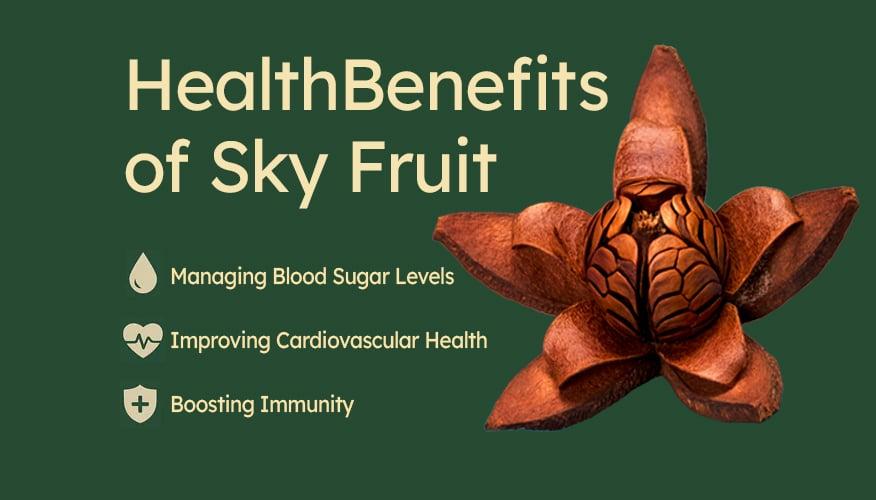
Sky fruit, also known as buah tunjuk langit or the seed of the Swietenia macrophylla tree, has been celebrated for centuries in traditional medicine, especially in Southeast Asia. This tropical fruit is prized for its impressive range of health benefits, attributed to its rich content of antioxidants, flavonoids, saponins, and bitter alkaloids. Below are the key health benefits of sky fruit based on traditional uses and emerging research:
1. Regulates Blood Sugar and Manages Diabetes
One of the most celebrated uses of sky fruit is its ability to help regulate blood sugar levels. The saponins and flavonoids in sky fruit have been shown in various studies to improve insulin sensitivity and reduce blood glucose spikes after meals. These compounds may inhibit enzymes involved in carbohydrate digestion, which helps slow down sugar absorption. This makes sky fruit a promising natural supplement for diabetes management, reducing the risk of complications like neuropathy and kidney damage.
2. Sky fruit Boosts Immune System
Sky fruit contains bitter alkaloids and other compounds that act as natural immunomodulators. These helps stimulate white blood cell production and enhance the body’s ability to fight infections, viruses, and chronic diseases. Regular consumption may reduce the frequency and severity of common illnesses like colds and flu.
3. Sky fruit Improves Cardiovascular Health
The flavonoids and antioxidants in sky fruit contribute to cardiovascular wellness by reducing inflammation, lowering LDL cholesterol (the “bad” cholesterol), and preventing plaque buildup in arteries. Improved blood circulation also helps regulate blood pressure and reduces the risk of atherosclerosis, stroke, and heart attacks. Additionally, the presence of essential fatty acids like oleic and linoleic acids supports heart muscle function and vascular health.
4. Reduces Inflammation and Alleviates Arthritis
Sky fruit’s anti-inflammatory properties are largely due to its high flavonoid content. These compounds inhibit inflammatory enzymes and cytokines that cause joint pain and swelling. Consuming sky fruit may help alleviate symptoms of arthritis, rheumatoid arthritis, and other chronic inflammatory diseases by reducing oxidative stress and protecting cartilage.
5. Aids Respiratory Health and Eases Asthma Symptoms
Asthma patients can benefit from sky fruit’s anti-inflammatory and bronchodilatory effects. The fruit helps relax airway muscles, reduce mucus production, and combat inflammation in the respiratory tract. This can lessen asthma attacks, ease breathing difficulties, and improve overall lung function.
6. Promotes Healthy Digestion and Regular Bowel Movements
Dietary fiber in sky fruit seeds supports digestive health by adding bulk to stool and promoting regular bowel movements. This helps prevent constipation and improves gut motility. Moreover, its mild laxative properties may aid in cleansing the digestive tract and balancing gut microbiota, enhancing nutrient absorption.
7. Supports Brain Health and May Help Regulate Alzheimer’s Disease
Sky fruit contains antioxidants and fatty acids that protect brain cells from oxidative damage and inflammation, two key factors in neurodegenerative diseases. Its nutrients may improve memory, cognitive function, and nerve signaling. Some traditional claims suggest sky fruit helps regulate Alzheimer’s disease progression, though more clinical research is needed.
8. Enhances Skin Health and Aids Healing of Skin Allergies
With vitamins E and B complex, as well as antioxidants, sky fruit supports skin repair and regeneration. It helps reduce symptoms of skin allergies like psoriasis and eczema by calming inflammation and protecting skin cells from free radical damage. Its anti-aging effects also contribute to smoother, healthier skin by promoting collagen synthesis.
9. Eases Menstrual Pain and Improves Female Reproductive Health
Sky fruit has been traditionally used to relieve menstrual cramps (dysmenorrhea) by relaxing uterine muscles and reducing inflammation. It may also balance female hormones, improve menstrual regularity, and support fertility by promoting reproductive organ health and boosting blood circulation to these areas.
10. Promotes Better Sleep and Treats Insomnia
Compounds in sky fruit have mild sedative effects that help calm the nervous system and reduce anxiety, making it easier to fall asleep and improve sleep quality. This natural remedy can benefit those suffering from insomnia or restless nights without the side effects of pharmaceutical sleep aids.
11. Improves Blood Circulation Throughout the Body
Sky fruit promotes vasodilation (widening of blood vessels), which enhances oxygen and nutrient delivery to tissues. Better circulation can improve energy levels, support organ function, and accelerate healing processes. This benefit is especially important for cardiovascular and neurological health.
12. Treats Impotency and Supports Male Reproductive Health
Traditional medicine uses sky fruit to help improve male sexual health by enhancing blood flow and balancing hormones related to libido and fertility. The fruit’s antioxidant properties protect reproductive organs from oxidative stress and may increase sperm count and motility.
13. Sky fruit Helps Combat Bad Breath
Sky fruit’s antibacterial properties help reduce oral bacteria that cause bad breath (halitosis). Using sky fruit extract or seeds in oral hygiene routines may promote fresher breath and better overall oral health.
14. May Promote Appetite and Aid Malaria Treatment
In traditional medicine, sky fruit is used to stimulate appetite and improve digestion in people recovering from illness or malnutrition. It is also believed to have antimalarial properties, though scientific validation is limited.
15. Anti-Aging Benefits
Thanks to its rich antioxidant profile, sky fruit helps neutralize free radicals that accelerate aging. This supports cellular health, slows down the breakdown of collagen and elastin, and protects against age-related diseases, giving it potential as a natural anti-aging agent.
Is Sky Fruit Good for Diabetes?
Yes, sky fruit is considered beneficial for individuals with diabetes due to its rich nutritional and medicinal profile. It contains powerful bioactive compounds like flavonoids, saponins, and bitter alkaloids, which may help regulate blood sugar and support overall metabolic health.
How Sky Fruit Helps in Diabetes Management:
- Regulates Blood Glucose Levels: The saponins in sky fruit may enhance insulin sensitivity and reduce glucose absorption in the intestines, helping to stabilize blood sugar levels.
- Supports Pancreatic Health: Traditional uses suggest sky fruit may support insulin secretion by promoting pancreatic function.
- Antioxidant Protection: Sky fruit is rich in antioxidants that help combat oxidative stress, which is often elevated in people with diabetes and contributes to complications.
- Improves Circulation and Heart Health: Diabetes increases the risk of heart disease. Sky fruit helps by improving blood flow, reducing bad cholesterol (LDL), and supporting vascular health.
Ways to Use Sky Fruit for Diabetes:
1. Sky Fruit Seeds (Raw or Dried)
- Consume half a seed to one seed daily, either raw or crushed into powder.
- Drink it with warm water before meals. Avoid taking it on an empty stomach if you have gastric issues.
2. Sky Fruit Powder
- Add 1/4 to 1/2 teaspoon of sky fruit powder into smoothies, juices, or warm water.
- Take it once or twice a day after consulting a healthcare provider.
3. Sky Fruit Capsules or Supplements
- Available in health stores or online, these are convenient for those who dislike the bitter taste.
- Always follow the recommended dosage on the label or consult your doctor.
4. Sky Fruit Tea
- Boil small pieces of sky fruit seed or powder in water for 5–10 minutes.
- Strain and drink once daily to support blood sugar control.
How to Use Sky Fruit Seeds?
Sky fruit seeds, also known as buah tunjuk langit, are widely valued in traditional medicine for their health-boosting properties—especially in managing diabetes, enhancing immunity, and improving blood circulation. Despite their bitterness, they can be creatively included in your diet. Here are some effective and versatile ways to use sky fruit seeds:
- Chew Raw: Cut ¼ to ½ seed into pieces and chew after meals. It's bitter, so drink water afterward.
- Grind into Powder: Make a fine powder and mix ¼ tsp with warm water, juice, or tea.
- Make Tea: Boil crushed seed in water for 5–10 minutes and drink once daily.
- Add to Food: Sprinkle ground seeds on smoothies, yogurt, or oatmeal for added nutrients.
- Bake Them: Mix into muffins, bread, or energy bars for a crunchy, healthy twist.
- Top Salads and Dishes: Toast seeds and use them as a garnish for salads, soups, or stir-fries.
- Capsules: Use ready-made sky fruit seed capsules as a supplement (follow dosage instructions).
Traditional Uses of Sky fruit
Sky fruit (Swietenia macrophylla) has been valued for centuries in traditional medicine, especially across Southeast Asia. Its seeds are rich in natural compounds that have been used to address a wide range of health concerns. Below are some of the most common traditional uses:
1. Herbal Remedy
Across Southeast Asia, sky fruit is widely used as a natural remedy for various chronic conditions. Traditional healers use it to help manage diabetes, control high blood pressure, relieve asthma symptoms, ease constipation, treat impotence, and improve blood circulation.
2. Immune Booster
Sky fruit is believed to strengthen the immune system and support the body’s natural defenses. Traditionally, it has been used to manage conditions such as menstrual pain, skin allergies, and insomnia.
3. Improving Blood Circulation
One of its most well-known uses is enhancing blood flow. It has long been used to support cardiovascular health and reduce the risk of hypertension and related issues.
4. Boosting Male Vitality
Sky fruit has traditionally been consumed to support male reproductive health and enhance stamina and vitality.
5. Joint and Muscle Support
Folk medicine practitioners have used sky fruit to help relieve joint pain, muscle aches, and inflammation.
6. General Wellness Tonic
It has often been consumed to fight fatigue, boost energy levels, and support overall health and well-being.
7. Other Traditional Uses
In some communities, sky fruit has been incorporated into cultural rituals or used as a folk remedy for serious conditions such as malaria and even Alzheimer’s disease. While these uses are traditional, more scientific research is needed to validate their effectiveness.
How to use Sky fruit safely?
Although sky fruit offers various health benefits, it should be used with caution to prevent potential side effects. Here’s how to use it safely:
- Start Small: Begin with a low dose—¼ to ½ seed daily—to see how your body reacts.
- Take After Meals: Always consume sky fruit after food to reduce stomach discomfort.
- Stay Hydrated: Drink plenty of water after consuming the seeds, especially if eaten raw.
- Avoid Overuse: Do not take more than 1 seed per day. Overconsumption may cause dizziness or low blood pressure.
- Consult a doctor: If you have diabetes, heart problems, or take medication, seek medical advice before use.
- Not for Pregnant Women: Avoid during pregnancy and breastfeeding due to limited safety data.
- Store Properly: Keep seeds in a cool, dry place, away from moisture and direct sunlight.
How to store Sky fruit?
Whether you are storing seeds, powder/capsules, or tea, doing it in a proper manner is essential:
- Seeds: Store in a cool, dry, airtight container, away from direct sunlight.
- Powder/Capsules: Keep in a sealed container in a cool, dry place and follow the manufacturer’s instructions for storage.
- Prepared Tea: Consume immediately or refrigerate and use within 24 hours for best quality.
Side effects of Sky fruit
While sky fruit (Swietenia macrophylla) offers various health benefits, it can cause side effects if not used properly or if consumed in excess. Here are some potential side effects to be aware of:
- Digestive Issues: Some may experience nausea or diarrhea due to the high fiber content.
- Allergic Reactions: In rare instances, one may experience hives, itching, or difficulty in breathing.
- Liver Concerns: Overconsumption of sky fruit seeds can lead to liver damage.
- Choking Hazard: The hard seeds can pose a choking risk, especially for children or the elderly.
- Dizziness and Headache: High doses of sky fruit might cause dizziness or headaches in some users.
- Blood Sugar Fluctuations: Since sky fruit can lower blood sugar levels, people with diabetes should monitor their blood sugar closely to avoid hypoglycemia (low blood sugar).
- Potential Interaction with Medications: Sky fruit may interact with medications, especially those for blood pressure, diabetes, or blood thinning. Always consult a healthcare provider before combining sky fruit with any prescription drugs.
- Not Recommended for Pregnant or Nursing Women: There is limited information on the safety of sky fruit during pregnancy and breastfeeding, so it is best to avoid its use during these periods unless advised by a doctor.
Precautions for Consuming Sky Fruit
- Consult Your Doctor before using, especially if you have diabetes, low blood pressure, or other health conditions.
- Avoid During Pregnancy and Breastfeeding due to insufficient safety information.
- Start with Small Amounts to check for any adverse reactions or allergies.
- Do Not Exceed Recommended Dosage to prevent side effects like dizziness or stomach upset.
- Avoid Combining with Medications without medical advice, as it may interact with diabetes or blood pressure drugs.
- Monitor Your Body’s Response and stop use if you experience unusual symptoms.
- Keep Out of Reach of Children to prevent accidental ingestion.
Conclusion
Sky fruit benefits are excellent for natural health solutions–from managing diabetes to improving heart health.
Its rich phytochemical profile provides anti-inflammatory, antioxidant, and antidiabetic effects that are highly valued in traditional medicine and backed by scientific research.
However, one must remember that while moderate consumption can offer substantial benefits, overuse may lead to digestive problems or even liver issues.
Always seek professional healthcare advice before incorporating sky fruit into your diet. With the right approach and guidance, sky fruit can be an excellent addition to a holistic health regimen.
Meet our expert

Meet our expert
Ng Juby is a Registered Nutritionist under the Allied Health Professional Act 774, holding
a Bachelor of Science (Hons) in Nutrition with Wellness from UCSI University.



How was the experience with article?
We'd love to know!