
Knee pain when bending your leg is often caused by strain, injury, or inflammation in the joint, making everyday movements uncomfortable.
You’re just about to conquer that last flight of stairs when a sharp sensation in your knee stops you in your tracks. If this scenario sounds familiar, you’re not alone. Knee pain when bending, a feeling that many of us have experienced, could range from a slight discomfort to an intense throb, leaving you puzzled and frustrated about the cause.
Whether it’s during routine tasks like picking up a dropped pen, or during more strenuous activities like squatting with weights at the gym, your knees play an integral role in keeping you mobile. But when pain jumps in, especially when you bend your knee, it can become a hindrance to your day-to-day activities.
If you’ve often wondered ‘why does my knee hurt when I bend it and straighten it’ or ‘why do I feel pain behind my knee when bending’, you’ve come to the right place.
In this blog, we’ll delve into the possible causes, preventive measures, and treatment options for knee pain when bending. So, gear up to gain a better understanding of your knee health and ways to maintain it!
Causes of Knee Pain When Bending
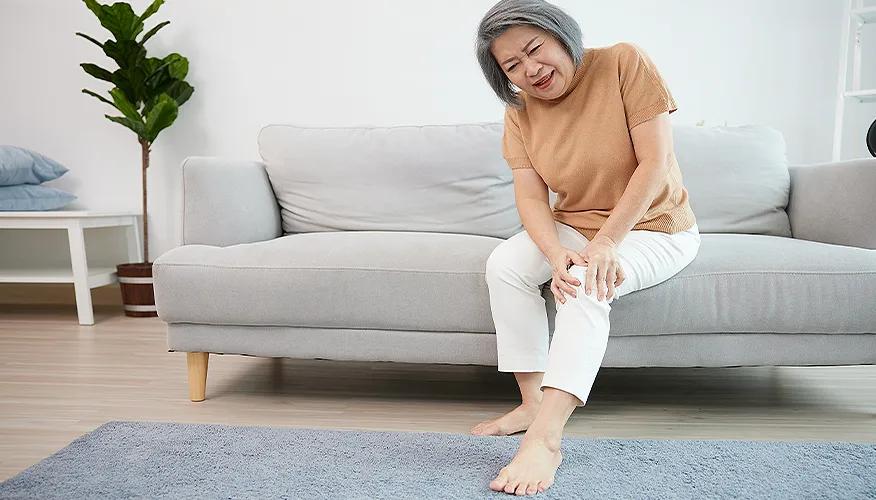
The knee is a complex joint involving bones, ligaments, tendons, and muscles. It performs a crucial role in movements such as walking, running, and bending. However, if you’re experiencing knee pain when bending your leg, it could be due to many reasons. The sensation might range from a mild nuisance to a severe hindrance that could limit your daily activities.
In some cases, you might experience pain behind the knee when bending. This type of discomfort could be linked to issues with the hamstring tendons or a Baker’s cyst, an accumulation of synovial fluid that causes swelling behind the knee. If you are feeling pain on the side of the knee, it might be linked to lateral collateral ligament (LCL) strain or injury. Over time, repetitive stress or sudden injuries can cause this ligament to become inflamed or torn causing lateral knee pain when bending.
Similarly, pain above your kneecap when bending is often linked to patellar tendinitis or jumper's knee. It can occur from overuse of the knee joint, often seen in athletes who do a lot of jumping and landing. Ideally, understanding why your knee hurts when you bend it and straighten it can help you chart out an effective treatment plan.

How to Prevent Knee Pain When Bending
Preventing knee pain when bending the leg is often tied to building overall strength and flexibility.
Here are some tips that might help:
- Regular exercise: Engage in low-impact exercises like swimming or cycling to strengthen your knee without adding excessive stress.
- Stretching: Regularly stretch your muscles and tendons to maintain flexibility and reduce the risk of injury.
- Proper footwear: Choose shoes that provide good support to help maintain proper alignment and balance.
- Maintain a healthy weight: Extra weight adds more pressure on your knees, which can cause problems over time.
When we speak about prevention, it’s also crucial to consider specific activities like knee bends or squats. For instance, knee pain when squatting could be prevented by performing the exercise correctly with appropriate form and not overloading the knees with excessive weight.
Treatment Options for Knee Pain When Bending

When knee pain occurs, it’s important to seek treatment promptly. Treatment can be divided into home remedies and medical treatment options.
Home Remedies for Knee Pain When Bending
Rest
- Giving your knee adequate rest is essential for promoting healing and preventing aggravation of the pain.
- Reduce or modify activities that exacerbate the discomfort and avoid high-impact exercises or movements that strain the knee joint.
- Incorporate periods of rest throughout the day to allow the affected tissues to recover and regenerate.
Ice
- Applying ice to the painful area can help alleviate pain and reduce inflammation.
- Use a cold pack or a bag of frozen vegetables wrapped in a cloth and apply it to the knee for 15-20 minutes at a time, several times a day.
- Cold therapy constricts blood vessels, decreases tissue swelling, and numbs the area, providing temporary relief from pain and discomfort.
Compression
- Utilizing a compression bandage or knee sleeve can provide support to the injured knee and reduce swelling.
- Wrap the bandage snugly around the knee joint, but not too tightly to avoid impairing circulation.
- Compression helps limit excess fluid accumulation in the tissues and stabilizes the joint, promoting comfort and facilitating mobility.
Elevation
- Elevating the affected leg above heart level can help reduce swelling and improve circulation, thereby alleviating knee pain.
- Prop up your leg on pillows or cushions when sitting or lying down to elevate the knee joint.
- This position encourages fluid drainage from the affected area and reduces pressure on the knee joint pain when bending, promoting faster recovery and symptom relief.
Medical Treatments for Knee Pain

Physical Therapy
- Under the guidance of a trained physical therapist, specific exercises and modalities can be prescribed to address knee pain and improve functional mobility.
- Physical therapy aims to strengthen the muscles surrounding the knee, enhance flexibility, correct biomechanical imbalances, and promote proper movement patterns.
- Tailored rehabilitation programs may include exercises for range of motion, muscle strengthening, balance training, and proprioceptive exercises to restore optimal knee function and reduce pain.
Medication
- Depending on the underlying cause of knee pain, healthcare providers may recommend medications to manage symptoms and facilitate healing.
- Nonsteroidal anti-inflammatory drugs (NSAIDs) such as ibuprofen or naproxen can help alleviate pain and reduce inflammation associated with conditions like arthritis or tendonitis.
- Analgesics such as acetaminophen may be prescribed for pain relief without anti-inflammatory effects. In some cases, corticosteroid injections may be administered directly into the knee joint to provide targeted pain relief and reduce inflammation.
Surgery
- In instances of severe or persistent knee pain that does not respond to conservative treatments, surgical intervention may be necessary to address underlying structural issues.
- Surgical procedures such as arthroscopic surgery, knee replacement, or ligament reconstruction may be recommended to repair damaged tissues, remove debris or loose bodies from the joint, or restore joint stability.
- Surgical interventions aim to alleviate pain, improve function, and enhance quality of life for individuals with chronic or debilitating knee conditions.

Conclusion
Experiencing knee pain when bending your leg can significantly impact your daily life. However, by understanding what causes this discomfort, you can take preventive measures to protect your knees and maintain their health in the long run.
Remember that while home remedies can provide relief in many cases, you should never ignore persistent knee pain when bending leg. It’s essential to seek medical help if your knee muscle pain when pending doesn’t improve with rest and self-care.
Remember that every individual’s situation is unique. What works for one person may not work for another. Hence, always listen to your body and take action based on what feels right for you. Your knees are crucial for mobility and independence, so make sure you give them the care and attention they deserve.
How was the experience with article?
We'd love to know!