
Have you ever wondered why your grandmother swore by eating colorful fruits for that natural glow? There's actually solid science behind her advice. There's an exotic cactus fruit that not only has a vibrant appearance but also an impressive nutrient profile. Dragon fruit benefits for skin can transform your complexion from the inside out with its powerful punch of vitamin C, antioxidants, and hydrating compounds.
Quick Answer Summary
Dragon fruit benefits skin through high vitamin C content that boosts collagen production, powerful antioxidants (betalains) that fight aging, and anti-inflammatory properties that calm acne. Both eating dragon fruit daily and applying it topically can improve skin hydration, brightness, and elasticity.
What is dragon fruit and why is it good for your skin?
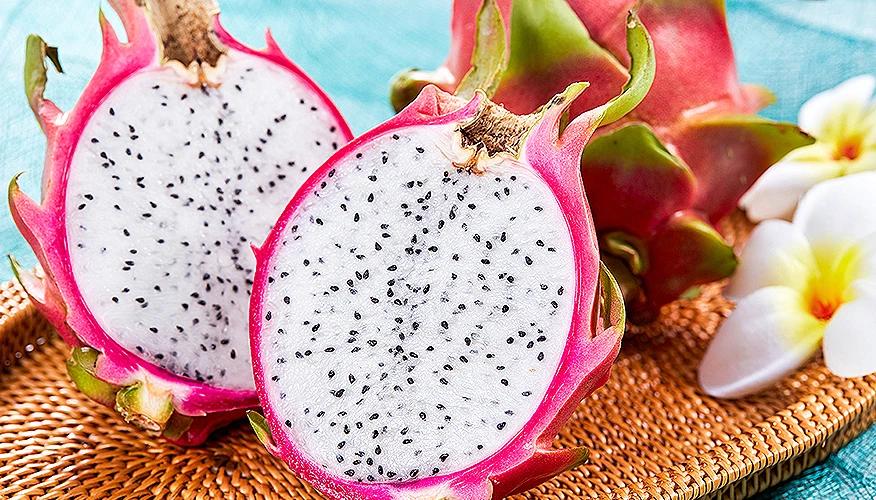
Dragon fruit is a nutrient-rich cactus fruit containing vitamin C, betalains, and antioxidants that support collagen production, fight free radicals, and reduce inflammation for healthier skin.
Dragon fruit comes from climbing cacti in the family Cactaceae, primarily the species Hylocereus and Selenicereus. You might know it by several names: pitaya, pitahaya, or even "strawberry pear" in some Asian regions.
The fruit's distinctive appearance makes it instantly recognizable. Picture an oval-shaped fruit with bright pink or red skin covered in green-tipped scales, revealing white, red, or yellow flesh dotted with tiny black seeds that look remarkably similar to those of a kiwi.
Originally native to Central and South America, dragon fruit has found its way across the globe. Today, it thrives in Southeast Asian countries such as Vietnam, Thailand, and Malaysia, and is increasingly cultivated in parts of South Asia, including India. Even some East African regions are exploring dragon fruit as a climate-resilient crop option.
What makes dragon fruit special for your skin? The magic lies in its unique combination of skin-loving compounds:
- Vitamin C for collagen synthesis and wound healing
- Betalains (especially in red varieties) that provide powerful antioxidant protection
- Polyphenols and flavonoids that neutralize harmful free radicals
- High water content for natural hydration
Here are the different dragon fruit varieties and their benefits:
| Dragon Fruit Variety | Key Nutrients | Skin Benefits |
|---|---|---|
| Red/Pink Flesh | Higher betacyanins, intense betalain pigments | Stronger antioxidant activity supports protection against photoaging and dark spots |
| White Flesh | Vitamin C, polyphenols, and milder betalains | Daily vitamin C source; gentle hydration; suitable for sensitive skin |
| Yellow Peel, White Flesh | Sweet flavor, vitamin C, fiber, and distinct polyphenols | Hydration and gut support for overall skin glow |
Dragon fruit nutrition: What makes it a skin superfruit?
Dragon fruit contains vitamin C for collagen production and betalains and polyphenols for antioxidant protection, plus high water content and fiber that support skin health through hydration and gut wellness.
Vitamin C and collagen production
When it comes to dragon fruit collagen support, vitamin C plays the starring role. Dragon fruit provides about 3-4 mg of vitamin C per 100 g, with some red-fleshed varieties containing up to 20-25 mg, depending on growing conditions and ripeness.
Vitamin C acts as an essential cofactor for the enzymes prolyl and lysyl hydroxylase. Think of these enzymes as your skin's construction workers: they can't build strong, stable collagen without vitamin C as their tool. With sufficient vitamin C, your skin's dermal collagen network stays strong, helping maintain firmness and reduce the appearance of fine lines.
Antioxidants that protect your skin
Dragon fruit is like a colorful shield against skin damage, thanks to its impressive antioxidant profile. The red and pink varieties are particularly rich in betalains, the same compounds that give beetroot its vibrant color. These include betacyanins and betaxanthins, which have demonstrated strong free radical-scavenging abilities in laboratory studies.
But that's not all. Dragon fruit also contains:
- Flavonoids such as rutin and quercetin derivatives
- Phenolic acids, including gallic acid
- Carotenoids that provide additional antioxidant protection
In your skin, reactive oxygen species from UV light and pollution trigger collagen breakdown, hyperpigmentation, and wrinkle formation. The antioxidants in dragon fruit work to neutralize these harmful molecules before they can damage your skin cells.
Hydration and fiber benefits
Dragon fruit is approximately 80-90% water by weight, making it an excellent hydrating snack. Proper hydration directly impacts your skin's appearance. Well-hydrated skin looks plumper, smoother, and less dull than dehydrated skin, which appears rough and sallow.
The fiber content (about 1.8-3 g per 100 g) might seem unrelated to skin health, but there's a fascinating connection through the gut-skin axis. Your digestive health directly influences your skin's appearance. Fiber feeds beneficial gut bacteria and supports regular bowel movements, which helps reduce systemic inflammation and oxidative stress that can manifest as skin problems.
Can dragon fruit help with acne and oily skin?
Dragon fruit's anti-inflammatory properties and antioxidants may help calm acne-related redness and support healing, but it works best as a complement to proven acne treatments rather than a standalone solution.
Researchers found that it may help calm inflammation by affecting pathways linked to acne-related redness and swelling. Dragon fruit also contains small amounts of B-vitamins, including niacin (vitamin B3). While the amounts aren't as therapeutic as those in topical niacinamide products, these nutrients support overall skin metabolism and health.
The antioxidants in dragon fruit may also help create a less favorable environment for acne-causing bacteria. Acne development involves oxidative stress, inflammation, and bacterial overgrowth. By reducing oxidative damage in sebum, dragon fruit's antioxidants theoretically make follicles less prone to comedone formation.
Note: There are no large clinical trials demonstrating that eating dragon fruit or using it in face masks will clear acne. However, its anti-inflammatory and antioxidant nutrients can complement your existing acne regimen by helping to calm redness, support healing, and reduce oxidative triggers.
Does dragon fruit reduce wrinkles and signs of aging?
Dragon fruit's vitamin C and antioxidants may support collagen production and protect against free radical damage that causes wrinkles, but results require consistent long-term use as part of an overall anti-aging approach.
Aging happens when your skin's collagen breakdown outpaces collagen production. UV radiation and pollution activate enzymes called matrix metalloproteinases (MMPs) that break down collagen and elastin, leading to wrinkles and sagging.
The pitaya skin benefits for anti-aging work through multiple mechanisms:
- Collagen support: Vitamin C and polyphenols help downregulate those collagen-destroying MMPs while simultaneously supporting new collagen synthesis. This shifts the balance toward collagen production rather than degradation.
- Photoaging protection: Studies show that diets rich in carotenoids and polyphenols are associated with fewer wrinkles and improved skin elasticity. While dragon fruit hasn't been studied specifically, its antioxidants work through the same UV-protective and anti-inflammatory pathways.
Dietary interventions for skin typically show visible improvements in texture and brightness after 6-12 weeks, consistent with how long it takes for skin cells to turn over and dermal remodeling to occur. Dragon fruit works best as a long-term supportive food, not a quick anti-wrinkle cure.
10 proven dragon fruit benefits for your skin
Dragon fruit supports skin health through collagen production, antioxidant protection, hydration, reduced inflammation, and improved barrier function, though most benefits are based on its nutrient content rather than on fruit-specific studies.
- Boosts collagen production for firmer skin: Vitamin C and antioxidants support collagen synthesis while protecting existing collagen from breakdown.
- Fights free radicals to prevent premature aging: Betalains, flavonoids, and phenolic acids neutralize harmful reactive oxygen species that cause photoaging.
- Reduces inflammation and calms acne breakouts: Anti-inflammatory compounds help soothe redness and post-inflammatory irritation in acne-prone skin.
- Hydrates and plumps skin cells: High water content (80-90%) supports systemic hydration, improving skin turgor and smoothness.
- Brightens complexion and evens skin tone: Vitamin C inhibits melanin formation and helps reduce hyperpigmentation over time.
- Soothes sunburn and skin irritation: Antioxidant and anti-inflammatory properties support recovery from mild UV damage and irritation.
- Strengthens skin barrier function: Vitamins, polyphenols, and other beneficial compounds help improve barrier integrity and reduce water loss.
- Reduces the appearance of dark spots and hyperpigmentation: Vitamin C and polyphenols may modulate melanin production, gradually fading dark spots.
- Improves skin elasticity and texture: Antioxidant-rich nutrition supports better skin elasticity, reduced roughness, and overall smoothness.
- Protects against environmental stressors and pollution: Systemic antioxidants improve skin's resilience to pollution-induced oxidative stress that worsens dullness and aging.
How to eat dragon fruit for better skin
Eat 1 cup of dragon fruit daily, preferably in the morning or post-workout, and focus on consistency over quantity for the best skin results.
Best time to eat dragon fruit for skin benefits
While there's no clinical evidence for a "perfect" time to eat dragon fruit, certain timing strategies can optimize nutrient absorption. Morning consumption, either with or before breakfast, helps meet your daily vitamin and antioxidant needs while stabilizing blood sugar levels.
Post-workout timing also makes sense. Dragon fruit's water content, natural sugars, and micronutrients support glycogen replenishment and rehydration after exercise, when your body is primed to absorb nutrients efficiently.
How much dragon fruit should you eat daily?
A reasonable serving is about 1 cup diced (150-200g) or 1 medium fruit, fitting comfortably within daily fruit recommendations. Health organizations typically recommend at least 400 g of fruits and vegetables daily, spread across different types.
For dragon fruit's skin benefits, consistency trumps quantity. Including dragon fruit a few times per week as part of a colorful fruit mix is more realistic and beneficial than forcing very high daily intakes.
Easy ways to add dragon fruit to your diet
- Smoothie bowls: Blend pitaya with vitamin C-rich fruits and yogurt for protein and probiotics that support gut-skin health.
- Fresh fruit salads: Mix with papaya, mango, or citrus fruits to increase antioxidant diversity.
- Frozen sorbet: Puree and freeze dragon fruit as a low-glycemic dessert that won't trigger acne flares.
- Simple snacking: Enjoy chilled dragon fruit wedges as a hydrating, low-calorie snack.
How to use dragon fruit for skin topically

Dragon fruit can be used in DIY face masks for hydration and antioxidant benefits, though clinical evidence for topical application is limited and results vary by skin type.
Dragon fruit face mask for acne-prone skin
Ingredients: 2 tablespoons dragon fruit pulp, 1 tablespoon cucumber juice, 1 tablespoon cooled green tea.
Mash the dragon fruit pulp, mix it with the other ingredients, and apply it to clean skin for 15-20 minutes. Use 2-3 times weekly.
The dragon fruit provides antioxidants and mild natural acids, cucumber offers soothing hydration, and green tea contributes additional anti-inflammatory compounds.
Anti-aging dragon fruit face pack
Ingredients: 2 tablespoons dragon fruit pulp, 1 tablespoon plain yogurt, 1 teaspoon honey.
Apply for 15-20 minutes, then rinse with lukewarm water. Use twice weekly for best results.
This combination provides vitamin C and antioxidants from dragon fruit, lactic acid from yogurt for gentle exfoliation, and humectant properties from honey.
Can you use dragon fruit peel on your skin?
Dragon fruit peel contains higher concentrations of betalains and antioxidants than the flesh. Traditional medicine practices in some regions use cactus fruit peels for their anti-inflammatory properties.
To prepare: Blend clean dragon fruit peel with a small amount of water to create a paste. Apply to clean skin for 10-15 minutes. Always patch test first, as peels can be more potent than flesh.
What does science say about dragon fruit for the skin?
While clinical research specifically on dragon fruit for skin is limited, strong evidence supports the skin benefits of its key nutrients: vitamin C, antioxidants, and anti-inflammatory compounds.
Current research on dragon fruit's skin benefits is primarily based on:
- Nutrient-level studies: Extensive research on vitamin C, betalains, and polyphenols shows clear skin benefits, including collagen support, antioxidant protection, and anti-inflammatory effects.
- In vitro studies: Laboratory research demonstrates the antioxidant and anti-inflammatory activities of dragon fruit extracts.
- Extrapolated evidence: Benefits are inferred from well-established research on similar antioxidant-rich fruits and their effects on skin health.
We don't yet have large-scale human trials testing dragon fruit specifically for skin outcomes. However, the mechanisms are well-understood and scientifically sound.
Are there any side effects of using dragon fruit on the skin?
Dragon fruit is generally safe for most people, but allergic reactions are possible, and diabetics should monitor blood sugar levels due to natural fruit sugars.
- Potential allergicreactions are rare but possible. Signs include redness, itching, or swelling after topical application or consumption. Always perform a patch test before applying any dragon fruit preparation to your face.
- Blood sugar considerations: While dragon fruit has a relatively low glycemic index, people with diabetes should monitor their response, especially when consuming larger quantities.
- Medication interactions: Dragon fruit is generally safe, but if you're taking blood-thinning medications or have scheduled surgery, consult your healthcare provider about any new foods in large quantities.
- When to consult a dermatologist: If you experience persistent skin irritation, worsening acne, or any unusual reactions after using dragon fruit topically or increasing consumption, seek professional advice.
Conclusion
The dragon fruit benefits for skin extend far beyond its Instagram-worthy appearance. This nutrient-packed cactus fruit offers genuine support for skin health through its vitamin C content, powerful antioxidants, and anti-inflammatory properties. While we're still waiting for specific clinical trials on dragon fruit alone, the science behind its key nutrients is solid and promising.
Whether you choose to enjoy dragon fruit in your morning smoothie bowl or experiment with DIY face masks, remember that consistency and realistic expectations are key. Your skin's transformation won't happen overnight, but with regular inclusion of this colorful superfruit in your routine, you're giving your complexion the nutritional building blocks it needs to glow from within.
Meet our expert

Meet our expert
Dr. Lynda Odoh-Anikwe, holding a Bachelor of Medicine and Bachelor of Surgery (M.B.B.S) degree, she pursued her Master of Public Health (MPH) at the University of Manchester. Actively engaged in advancing preventive healthcare, she is a member of the Society of Lifestyle Medicine Nigeria. Dr. Odoh-Anikwe aims to attain certification as a Lifestyle Medicine Physician from the International Board of Lifestyle Medicine by the final quarter of 2022.



How was the experience with article?
We'd love to know!