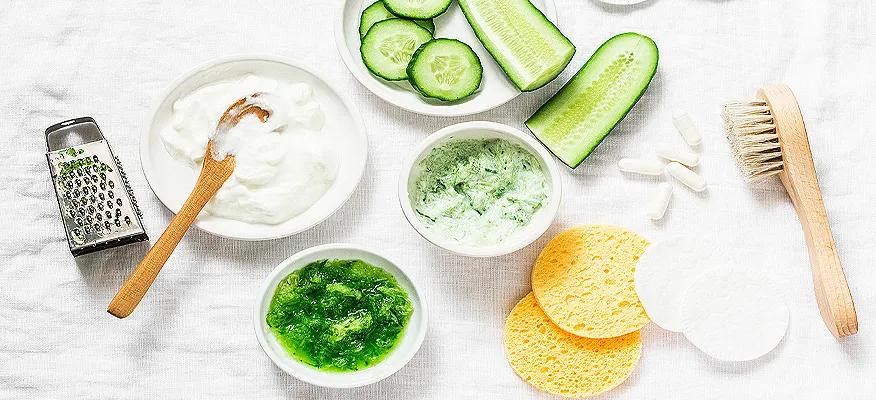
Probiotics, beneficial live microorganisms, support healthy skin by balancing the skin's microbiome and strengthening the skin barrier. They help to reduce inflammation, improve hydration, and diminish the appearance of wrinkles and fine lines. By promoting gut health, probiotics also enhance skin from within and may ease conditions like acne and rosacea. Probiotic skincare products can also restore and maintain skin health for a clearer, more radiant look.
Have you ever stopped to marvel at the luminous skin boasted by celebrities or influencers on your social media feed?
Their radiant complexions seem to be a product of magic or mystic beauty rituals. However, I'm here to reveal a secret—their glowing skin might be a result of something as simple and as natural as probiotics. Yes, you heard it right—the stuff that's good for your gut can be good for your skin too!
Probiotics have been making waves in the health and wellness industry for their numerous benefits to digestive health.
But did you know that these friendly bacteria don't just work their wonders in your gut? They can also play a significant role in skin health, combating acne, allergies, and various skin problems.
As we sail through this fascinating world of probiotics, let's start by understanding what they are and how they can contribute to clear skin.
Stay tuned to unravel the top benefits of probiotics for skin health and why they might be the missing piece in your skincare routine.
Let’s dive into this journey together, shall we?
What are Probiotics?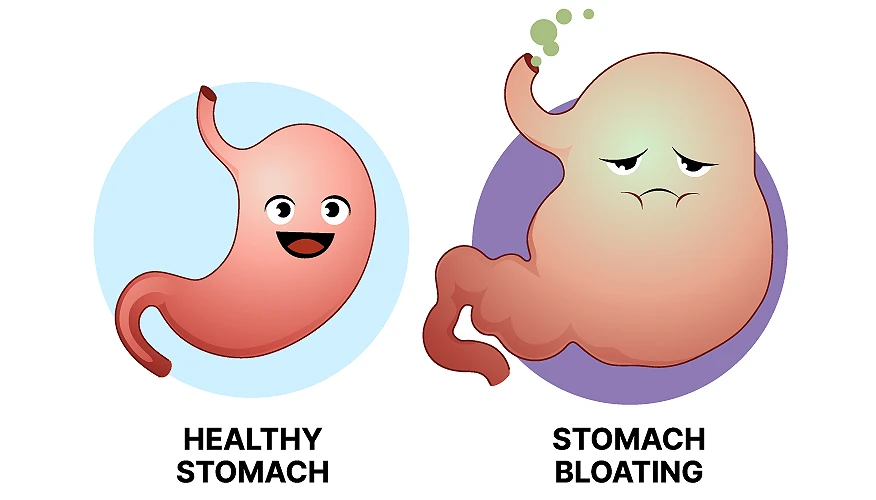
Probiotics are live microorganisms, mainly beneficial bacteria and some yeasts, that offer health benefits when consumed or applied in adequate amounts. Often referred to as “good” or “friendly” bacteria, probiotics are naturally found in the human body, especially in the gut, and are also present in certain foods like yogurt, kefir, sauerkraut, and supplements.
In skincare, probiotics can also be applied topically to help balance the skin’s microbiome, reduce inflammation, improve hydration, and support the skin’s natural barrier. Whether taken internally or used externally, probiotics play a key role in promoting overall health and glowing skin.
Understanding the Gut-Skin Connection
The gut and skin are intricately connected through what's known as the gut-skin axis. This means the health of your gut directly influences your skin. When the gut microbiome — the community of beneficial and harmful bacteria — is balanced, it supports proper digestion, immune function, and reduced internal inflammation, all of which help maintain healthy, glowing skin.
However, when the gut microbiome is disrupted (a condition called dysbiosis), it can lead to chronic inflammation, increased oxidative stress, and a weakened skin barrier. These imbalances are linked to common skin concerns such as acne, eczema, rosacea, psoriasis, and even premature aging.
By taking probiotics, you help restore gut balance, reduce inflammation, and support immune health — which in turn reflects positively on your skin. A healthy gut microbiome helps the skin stay clearer, more resilient, and hydrated from the inside out.
Top Benefits of Probiotics for Skin

Probiotics are live microorganisms that deliver health benefits when consumed or applied to the skin. While they are well-known for digestive health, recent studies show they also play a crucial role in maintaining and improving skin health. Probiotics for skin can reduce acne, hydrate the skin, enhance the skin barrier, and even slow signs of aging by improving both the skin and gut microbiomes.
Here are the major ways probiotics improve skin health, backed by emerging research:
1. Probiotic for Balancing the Skin Microbiome
The skin’s microbiome is a delicate ecosystem of bacteria, fungi, and other microorganisms that live on the skin’s surface. Using probiotics for skin helps encourage the growth of good bacteria while minimizing harmful microbes. This balance helps prevent acne, sensitivity, and breakouts, supporting a stronger, healthier complexion overall.
2. Probiotic for Strengthening the Skin Barrier
The skin barrier protects against irritants, allergens, and moisture loss. Probiotics for skin promote a healthy microbiome, which reinforces this barrier. Additionally, probiotics can increase ceramide production—essential fats that strengthen the skin’s protective layer and reduce water loss. A strong skin barrier leads to less dryness, sensitivity, and damage from environmental stress.
3. Probiotic for Reducing Inflammation and Redness
Inflammation is a key factor behind acne, eczema, rosacea, and many other skin problems. Probiotics help reduce skin inflammation by modulating the immune system, enhancing the body's ability to control chronic inflammation linked to skin conditions like acne, eczema, rosacea, and psoriasis. By supporting gut health, probiotics decrease systemic inflammation that often manifests as redness, swelling, or irritation on the skin.
4. Probiotic for Managing Acne and Breakouts
Certain strains of probiotics are known to reduce acne by fighting acne-causing bacteria like Cutibacterium acnes and controlling excess oil production. Probiotics for skin also help balance sebum, prevent clogged pores, and reduce inflammation—all of which are key factors in managing and preventing acne breakouts.
5. Probiotic for Improving Skin Hydration
Dry, flaky skin is often a result of a damaged barrier and reduced moisture retention. Probiotics for skin boost hydration by increasing the production of ceramides and other essential lipids that trap moisture in the skin. Hydrated skin appears plumper, smoother, and more youthful.

6. Probiotic for Anti-Aging and Skin Elasticity
Probiotics help fight oxidative stress caused by UV exposure and pollution, both of which contribute to skin aging. Probiotics for skin may support collagen production, reduce fine lines and wrinkles, and improve skin elasticity. Some strains also accelerate skin regeneration and cell renewal, leading to a firmer, more youthful look.
7. Probiotic for Improving Skin Texture and Tone
Probiotics support healthy cell turnover and reduce inflammation, which improves skin tone and texture over time. By promoting a balanced microbiome and reducing irritation, probiotics for skin help fade dark spots, even out pigmentation, and give the skin a smoother, more refined appearance. Probiotics contribute to a more even skin tone by balancing melanin production. They can reduce the appearance of pigmentation issues like age spots and sunspots, promoting clearer and healthier skin with a more uniform complexion.
8. Probiotic for Wound Healing and Skin Repair
Probiotics for skin have shown potential in speeding up wound healing by boosting the skin’s immune defense and reducing harmful bacteria around cuts or blemishes. This can reduce healing time, lower infection risk, and help clear acne lesions faster.
9. Probiotic for Strengthening Skin Immunity
Your skin’s natural defense system can be compromised by stress, pollution, or harsh products. Probiotics for skin enhance immunity by reinforcing the barrier and supporting the activity of immune cells in the skin. This added protection helps the skin better resist infections and inflammation.
10. Probiotic for Detox and Skin Clarity
The gut and skin are closely connected. Imbalances in gut flora can manifest as breakouts or dullness. Probiotics for skin help improve gut health, reducing internal inflammation and supporting better digestion—both of which are key to detoxing the body and achieving clearer, more radiant skin.
11. Probiotic for Sensitive Skin Conditions
Conditions like eczema, dermatitis, and rosacea can flare up when the skin’s microbiome is disturbed. Probiotics for skin help calm these conditions by restoring microbial balance, reducing inflammation, and strengthening the barrier. This makes probiotics especially helpful for people with recurring skin irritation or chronic sensitivity.
12. Probiotic for Cell Turnover and Skin Renewal
Healthy skin depends on regular cell turnover to shed dead skin cells and reveal fresh ones. Some probiotics stimulate this renewal process, helping to reveal brighter, younger-looking skin. This benefit also supports healing, fading of scars, and maintaining a healthy glow.
13. Probiotic for Topical Use
Topical probiotics are becoming popular in skincare products. These formulations, such as probiotic creams and serums, help restore the skin’s microbiome directly on the surface. When applied regularly, topical probiotics for skin can reduce irritation, improve hydration, and create a more resilient, healthy-looking complexion.
14. Probiotic for Gut-Skin Axis and Microbiome Balance
The gut-skin axis refers to the relationship between digestive health and skin condition. Poor gut health can cause inflammation and toxin buildup that show up as acne or rashes. Taking probiotics for skin orally improves gut microbiome balance, which in turn reflects as healthier, clearer skin on the outside.
15. Probiotic Support for Hyaluronic Acid Production
Probiotics stimulate the production of hyaluronic acid, a powerful molecule responsible for retaining moisture in the skin. This boost in hyaluronic acid helps the skin stay plump, smooth, and radiant by improving hydration levels and reducing dryness.
16. Probiotic Protection Against UV Damage
Some probiotics can help protect the skin from harmful UV radiation by reducing oxidative stress caused by sun exposure. This protective effect may lessen signs of premature aging, such as wrinkles and hyperpigmentation, while also lowering the risk of UV-related skin damage.
17. Probiotic for Preventing Skin Infections
A healthy skin microbiome enriched by probiotics can suppress the growth of pathogenic bacteria and fungi, helping to prevent conditions like fungal acne or bacterial infections.
18. Probiotic for Prebiotic Synergy
Although not a direct benefit, pairing probiotics with prebiotics (ingredients that feed good bacteria) in skincare can enhance results. This combination helps sustain probiotic growth on the skin and increases their effectiveness.
19. Probiotic for Controlling Sebum Production
Certain probiotic strains may help regulate oil production in the skin. This is beneficial for people with oily skin types, as it helps reduce the chance of clogged pores and acne breakouts.
20. Probiotic for Managing Psoriasis
While more research is ongoing, some studies suggest that probiotics may help manage psoriasis by reducing systemic inflammation and supporting gut health, which is often linked to autoimmune skin conditions.
Best Probiotic Strains for Skin Health
Here are a few powerful probiotic strains known for their skin benefits:
- Lactobacillus rhamnosus – Calms inflammation and improves eczema.
- Lactobacillus plantarum – Repairs the skin barrier and soothes redness.
- Bifidobacterium longum – Enhances hydration and skin immunity.
- Lactobacillus casei – Supports wound healing and barrier repair.
- Lactobacillus acidophilus – Helps reduce acne and improve skin clarity.
How to use Probiotics for Skin Health
Here’s how you can use probiotics for skin health:
1. Oral Probiotics
Consume probiotic-rich foods like yogurt, kefir, kimchi, miso, or take supplements. This helps balance your internal gut microbiome, which positively affects your skin.
A. Consume probiotic-rich foods
- Eating probiotic-rich foods can support your gut health, which in turn can benefit your skin.
- Healthy gut bacteria balance your immune system and reduce inflammation, which plays a role in skin conditions like acne, eczema, and rosacea.
- Fermented foods: Incorporate foods like yogurt, kefir, sauerkraut, kimchi, and miso into your diet to introduce beneficial bacteria.
- Prebiotic foods: Foods like bananas, onions, garlic, and oats help feed the probiotics in your gut, allowing them to thrive.

B. Take probiotic supplements
- If you can't get enough probiotics from food, supplements are a convenient option.
- Look for supplements containing strains like Lactobacillus, Bifidobacterium, or Saccharomyces boulardii that are known to support skin health.
- Certain probiotic strains are more effective for specific skin concerns, so do your research or ask your doctor.
2. Topical Probiotics
Probiotics are also used in skincare products, including creams, serums, and masks. These products deliver probiotics directly to the skin, improving hydration, reducing irritation, and restoring the barrier.
- Probiotic skincare: Look for products labeled with ingredients like Lactobacillus ferment or Bifidobacterium as active ingredients.
- Application: Apply probiotic skincare products after cleansing and before moisturizing to allow probiotics to work effectively on your skin.
Common Probiotic Ingredients Used in Skincare
Probiotics in skincare are typically derived from fermented bacteria or yeast and are added to products to balance the skin’s microbiome, improve barrier function, and soothe inflammation.
Here are some of the most common probiotic ingredients used in skincare:
- Lactobacillus: One of the most popular probiotic strains, Lactobacillus helps hydrate the skin, reduce redness, and protect against environmental stressors. It’s often used in moisturizers and calming serums for sensitive or acne-prone skin.
- Bifida Ferment Lysate: This probiotic ingredient is derived from the fermentation of Bifidobacteria. It's commonly used in anti-aging products because it helps strengthen the skin barrier, reduce sensitivity, and protect against UV damage.
- Saccharomyces Ferment Filtrate: A yeast-derived ferment known for its antioxidant properties, it helps improve skin texture and clarity. It’s often found in brightening and hydrating formulas.
- Streptococcus Thermophilus: This probiotic helps boost ceramide production, which enhances moisture retention and strengthens the skin barrier. It’s useful in products for dry or mature skin.
- Bacillus Ferment: This ingredient is known for its exfoliating enzymes, which help remove dead skin cells gently. It supports smoother, more radiant skin without irritation.
- Galactomyces Ferment Filtrate: A fermented yeast often found in K-beauty products, Galactomyces improves skin brightness, reduces sebum, and minimizes the appearance of pores.
- Leuconostoc/Radish Root Ferment Filtrate: This is a natural preservative with antimicrobial properties, derived from fermented radish. It supports a healthy microbiome and helps keep skincare formulas stable and safe.
Using products with these probiotic ingredients can promote a healthier, more balanced complexion by supporting the skin’s natural defenses and microbiome.
What’s the Difference Between Prebiotics and Probiotics? Should You Use Them Together?
Prebiotics and probiotics work hand in hand to support your overall health, especially your skin and gut. Prebiotics act as nourishment for probiotics—the beneficial bacteria in your body. These prebiotics are typically plant-based fibers that encourage the growth and activity of probiotics.
Think of probiotics as your body’s protective team, helping to defend against harmful bacteria. Prebiotics serve as their fuel, enhancing their ability to maintain balance in your system. When taken together, they create a synergistic effect, offering greater health benefits than when used alone.
Signs You Might Need Probiotics for Your Skin
If you’re dealing with ongoing skin issues, probiotics might help restore balance and support healthier skin. Here are some signs that indicate you may benefit from using probiotics for your skin:
- Chronic skin conditions such as eczema, psoriasis, or atopic dermatitis
- Severe acne, rosacea, or dandruff that doesn’t improve with regular skincare
- Itchiness, redness, or increased sensitivity, especially with changing weather or products
- A weak skin barrier, making your skin prone to irritation and breakouts
- Digestive issues like bloating or irregular bowel movements, which can also affect your skin
- Recent antibiotic use, which may have disrupted your body’s natural microbiome
If you notice any of these symptoms, incorporating probiotics into your routine could help improve both your gut health and the overall condition of your skin.
Are Probiotics for Skin Safe?
Yes, probiotics for skin are generally safe for most people. However, if you have a sensitive immune system or a chronic skin condition, it’s best to consult a dermatologist before starting a new supplement or product. Always patch-test new topical formulas to avoid unexpected reactions.
Conclusion: Probiotics Benefits for Skin
In conclusion, probiotics offer a wide range of benefits for skin health. From alleviating specific skin conditions like eczema and acne, to enhancing overall skin health and resilience, these friendly microorganisms can do it all. By understanding the gut-skin axis and the role of probiotics in maintaining a balanced microbiome, you can harness the power of these beneficial microorganisms to achieve healthier and more radiant skin. Probiotics for skin are a powerful, natural solution to many common skin concerns—from dryness and acne to aging and sensitivity. By improving the balance of both gut and skin microbiomes, probiotics reduce inflammation, support hydration, and promote radiant, resilient skin. Whether taken orally or applied topically, probiotics offer a gentle yet effective way to boost overall skin health and achieve long-term results.
Meet our expert

Meet our expert
Dr. Naveeda Adam serves as the Medical Officer of the Gastrology Department at Muhimbili National Hospital in Dar es Salaam, Tanzania.

How was the experience with article?
We'd love to know!