
Affecting nearly 10% of the global population, with some studies suggesting an even higher number, acne is the eighth most prevalent disease in the world. Due to the underlying reasons leading to breakouts, acne is considered a public health concern and a notable consideration when it comes to its impact on quality of life.
Vitamin A has carved out a central role in acne treatment, with decades of research confirming its effectiveness in improving skin clarity and reducing breakouts. Whether in the form of topical creams or oral prescriptions, vitamin A for acne continues to be a go-to option for dermatologists treating mild to severe cases.
It works on multiple fronts, from reducing sebum production and inflammation to preventing clogged pores and supporting skin regeneration, but more on that later.
This guide explores how vitamin A helps manage acne, who should consider it, how it compares to other treatments, and how to use it safely and effectively.
What is Vitamin A?
Water-soluble and fat-soluble vitamins help our body sustain physiological functions. Vitamin A dissolves in fat and plays several key roles in the body. It helps maintain your immune defenses, supports eyesight, encourages healthy skin renewal, and promotes overall skin function.
It appears in two main forms. The first is preformed vitamin A, which includes compounds like retinol and retinoic acid that your body can use immediately. You’ll mostly find these in animal-based foods.
The second form, which you might hear more frequently in skincare products, is provitamin A carotenoids, such as beta-carotene. These are mostly found in colorful plant foods like carrots and leafy veggies.
Your liver works as a storage for your body’s vitamin A. When needed, the vitamin is released into the bloodstream, where it helps regulate vital functions, including vitamin A uses for skin at the cellular level.
How does Vitamin A help with acne?
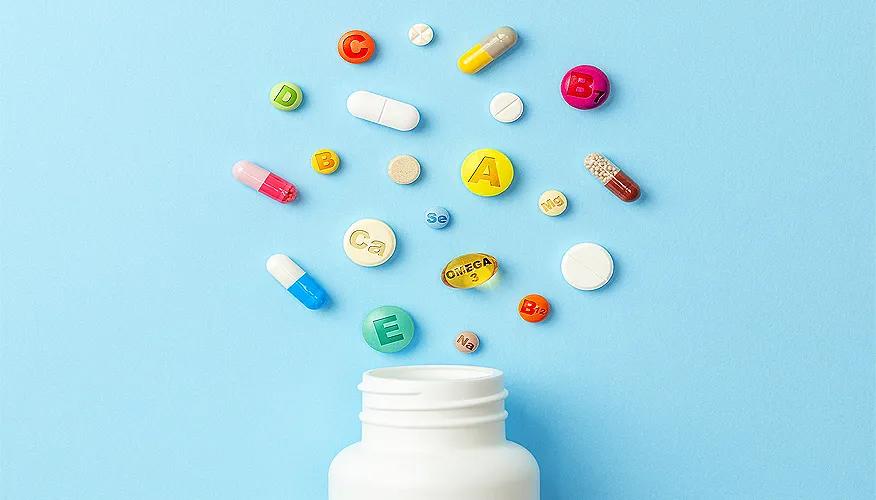
Acne often begins when dead skin cells clump together and block your pores. Vitamin A works against acne in several ways, addressing the issue from the inside out:
Benefits of vitamin A for acne
The most direct way it helps is by regulating skin cell growth and shedding. Vitamin A stops cell clumping early by promoting steady cell turnover and preventing clogged follicles.
At the same time, it cuts down on sebum production. Sebaceous glands, which produce oil, respond to vitamin A by shrinking in size and dialing back their activity. That means less oil building up and mixing with dead skin or bacteria to form acne.
Vitamin A also reduces the effect of androgens, which are hormones known to trigger more oil production and worsen breakouts.
There’s another critical angle here. It’s the anti-inflammatory abilities of vit A. Acne is also a local inflammatory response, especially in the case of red, painful cystic acne. Vitamin A calms that inflammation, allowing your skin to heal faster and flare up less often.
Different forms of Vitamin A for acne
Among the different forms of vitamin A used to treat acne, topical retinoids are the most commonly recommended. Tretinoin, in particular, has been widely studied and is often seen as the go-to option in dermatology. You may also come across adapalene, which is known for being gentler but still highly effective. Another option is tazarotene, although it can cause more irritation, especially in sensitive skin types.
For more severe or treatment-resistant acne, oral retinoids like isotretinoin (commonly known as Accutane) are sometimes prescribed. These are extremely powerful but come with strict medical supervision due to the risk of serious side effects.
Oral vitamin A supplements also exist, but their use is rare because the dose required for acne control often brushes up against toxicity levels.
Over-the-counter options like retinol and retinyl palmitate are weaker but helpful for mild acne and skin maintenance. These forms are easier to tolerate and widely available.
What does the research say?
Several studies show just how impactful vitamin A can be for acne. In clinical trials, topical retinoids have reduced non-inflammatory lesions by more than 80 percent and inflammatory ones by about 70 percent.
Even oral vitamin A, when used at controlled doses, showed a noticeable improvement in acne severity.
Eight of the nine studies employing oral vitamin A that were reviewed in a survey demonstrated significant clinical benefit. Acne sufferers frequently have reduced plasma vitamin A levels, suggesting a possible link between the two conditions.
However, the benefits go beyond vitamins to reduce pimples. With regular use, vitamin A can fade post-acne marks, improve skin texture, and support a stronger skin barrier. These outcomes make it one of the most versatile treatments out there.
Related: Top 11 Tips For Glowing Skin-Tried & Tested
Food sources of vitamin A
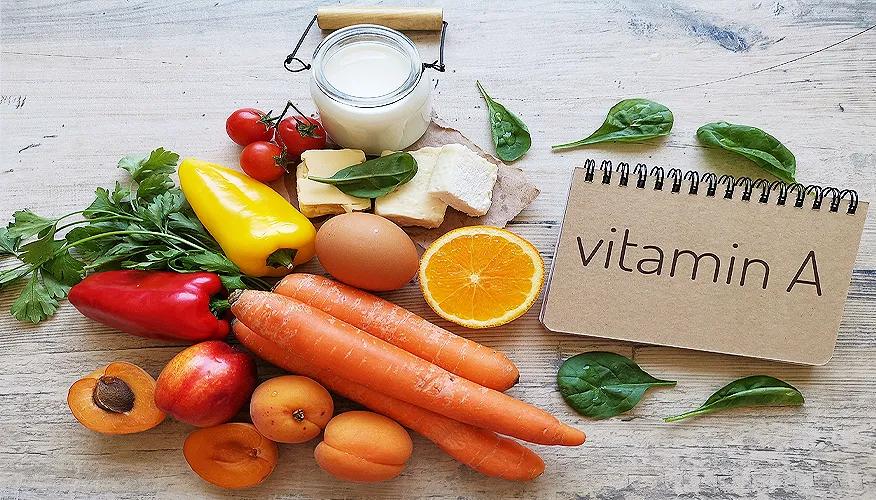
You can also support your skin through diet. On the plant side, carrots, spinach, kale, sweet potatoes, and mangoes are excellent sources of beta-carotene and overall vitamin A.
While supplements also exist in both preformed and provitamin A forms, the safest route, especially if you’re considering high-dose, is under the care of a dermatologist. While carotenoid-based supplements are gentler and less likely to build up in harmful amounts, preformed versions are more potent but carry a higher risk of toxicity.
How much should you get daily?
The recommended daily amount of vitamin A for adult men is 900 mcg RAE (about 3,000 IU) and for women, it’s 700 mcg RAE (roughly 2,330 IU).
While therapeutic doses for acne can go well beyond these numbers, it’s crucial to only do so under medical supervision.
When prescribing oral isotretinoin, doctors usually determine the dose using your body weight. Most treatment plans range from about 0.5 to 1 milligram for each kilogram you weigh, taken daily.
Safety tips and precautions
High doses of vitamin A can be dangerous, particularly the preformed kind. Liver toxicity is one of the most serious risks, in addition to cirrhosis and even liver failure, in long-term usage.
Other issues include dry skin, headaches, nausea, bone pain, and extreme sensitivity to sunlight. You should also be cautious if you’re combining alcohol with high vitamin A intake, as it puts extra stress on your liver.
As mentioned, pregnant women should avoid vitamin A supplements beyond the recommended daily allowance and must steer clear of prescription retinoids entirely.
Conclusion
Vitamin A is one of the most researched and clinically effective ingredients out there to treat acne. Whether used topically or orally, it targets the key mechanisms behind breakouts, reduces oil, accelerates cell renewal, and calms inflammation. While it isn’t without risks, especially at higher doses, the benefits often outweigh the drawbacks when managed carefully. All the best!
Meet our expert

Meet our expert
She holds a Bachelor of Nutrition & Community Health with Distinction from Universiti Putra Malaysia and has been a dedicated healthcare professional since 2014. As the Customer Care Manager, she leads a team of skilled dietitians and nutritionists, committed to serving the community.

How was the experience with article?
We'd love to know!