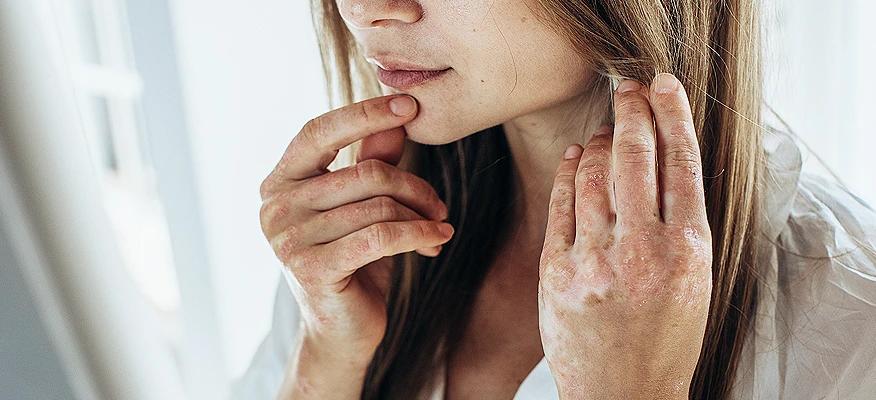
The most stubborn form of atopic dermatitis, stress-related eczema on the hands, affects millions worldwide, often catching you in a frustrating loop where stress triggers inflammation, and those visible signs, in turn, create more stress
Seen how we fall sick faster when stressed? It’s the same principle that stress-related eczema follows to flare up on your hands, resulting in dry, cracked, and itchy skin that feels impossible to calm.
However, it’s possible to break through the cycle in natural ways with consistent care and even by avoiding steroid creams and pharma treatments. But first, let’s understand what stress-related eczema on the hands is:
What is Stress-related Eczema on the Hands?
Stress-related eczema, aka hand dermatitis, often appears when emotional stress begins to surface through your epidermis or the outer skin. It can look like flaking, redness, or small blisters on your fingers and palms. Sometimes, it burns or feels too tight to move easily. This occurs when stress disrupts your immune system and impairs the skin barrier, allowing irritants and bacteria to settle where they shouldn't.
Unlike simple dryness, this condition has an emotional trigger. You might notice your hands worsening during exams, deadlines, or family conflicts.
How Stress Triggers Eczema Occurs
Whenever you’re under pressure, your brain activates the “fight or flight” response, flooding your body with cortisol and adrenaline. These hormones help you face challenges; however, when they stay elevated a bit too long, they interfere with the skin’s natural ability to heal and hold moisture.
Prolonged stress also lowers the production of ceramides, the fatty molecules that seal in hydration. It also raises inflammatory markers that lead to redness and itching.
Over time, your hands become more reactive and fragile, exacerbated in individuals with anxiety or depression. The stress causes eczema flare-ups, and the visible irritation makes you more self-conscious, feeding the same stress that started it all.
Natural Treatments for Stress-related Eczema
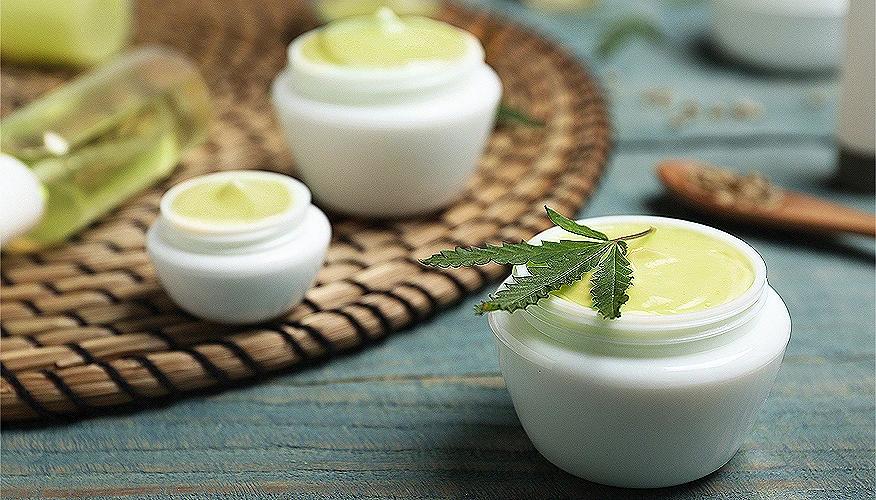
Here are a few ways you can naturally treat your stress-related eczema on your hands:
Moisturizing with Natural Products
- Healing begins with rebuilding the barrier your skin has lost. Shea butter is one of the most nourishing ingredients for this purpose, loaded with fatty acids and vitamins that melt into your skin, sealing in moisture while calming irritation.
- Oat-based creams also contain natural anti-inflammatory compounds that relieve itch and restore balance to the skin’s pH.
- Apply fragrance and alcohol-free moisturizer while your hands are still slightly damp after washing, so the water gets trapped under the product instead of evaporating away.
Oatmeal Baths or Soaks
- Oatmeal has been used to soothe inflamed skin for centuries. When it comes in contact with water, it releases a fine, silky compound that forms a gentle coating on the skin.
- To make a simple soak, blend a cup of plain oats into powder, then stir two or three tablespoons into a bowl of lukewarm water.
- Let your hands rest in it for about fifteen minutes. You’ll feel the water soften and your skin start to relax.
Coconut Oil and Other Natural Oils
- Virgin coconut oil contains lauric acid, which helps regulate the microorganisms and irritants that affect your exposed skin.
- Apply a small layer after washing and allow it to absorb. For deeper relief, wear cotton gloves overnight to help the oil penetrate fully and retain moisture.
- Sunflower seed oil also has anti-inflammatory qualities that make skin soft again and reduce swelling. Rosehip oil's essential fatty acids and vitamin A also help the face heal and get rid of scars from past breakouts.
Aloe Vera and Herbal Remedies
- Aloe vera is one of the gentlest healers that cools inflammation, hydrates deeply, and promotes healing.
- Apply it several times per day, particularly after handwashing or when your skin feels warm.
- You can also use herbs like chamomile and calendula, which have natural anti-inflammatory characteristics that can help relieve redness and irritation.
Cool Compresses
- A cool compress can bring that instant relief that your skin strives for when affected by eczema. Dampen a soft cloth with cool (not icy) water, wring it out, and rest it over the irritated area. You can practice this method several times a day.
- To make the compress more effective, use cooled chamomile tea or add a bit of colloidal oatmeal to the water..
Stress Management Techniques for Long-term Relief

Let’s now mention a few techniques that can provide long-term relief:
Meditation and Breathing Exercises
Because eczema is closely tied to your emotional state, calming your nervous system is as important as treating your skin. Meditation helps slow down racing thoughts and reduces the body’s production of stress hormones.
Try this: inhale through your nose for four counts, hold for seven, then exhale slowly through your mouth for eight. You would feel your body relax with each breath.
Sleep and Routine Building
Good sleep is often the first casualty of chronic stress. Yet without it, your body can’t repair skin effectively. Create a sleep ritual that signals rest. Dim the lights an hour before bed, read something light, or listen to calming music. Keep your bedroom cool and use cotton sheets that let your skin breathe.
Before bed, take a warm shower or oatmeal soak, then apply a thick layer of moisturizer and put on cotton gloves. Avoid practices that hinder melatonin production, like caffeine and screens in the evening.
Physical Activity and Emotional Balance
Moving your body purposefully resets the stress levels in the long term. Walking, yoga, and swimming encourage relaxation and optimally improve blood flow, but don’t be limited by them, since any exercise can trigger endorphins that help balance cortisol levels.
If you prefer quieter forms of reflection, journaling can help you see patterns between your stress and eczema flare-ups. Writing for even ten minutes a day helps unload the mental weight that your body might otherwise express through your skin.
Prevention Tips
Maintaining your skin’s strength takes consistency. Wash your hands with lukewarm water and mild, fragrance-free soap. Avoid hot water and harsh detergents that strip natural oils. After every wash, apply moisturizer while your hands are still damp.
When doing chores or washing dishes, wear waterproof gloves with thin cotton liners to prevent sweating. Cotton gloves on their own can also protect your hands from dry air or rough fabrics. Keep your nails short and smooth to avoid accidental scratching.
Try to stay away from irritants such as heavily scented lotions, sanitizers, or cleaning chemicals. If you must use them, follow with moisturizer immediately. Moderate humidity in your home helps too, since overly dry air can worsen eczema.
Conclusion
Treating stress-related eczema naturally takes a consistent, whole-body approach. Nourishing ingredients like shea butter, coconut oil, and aloe vera help repair the skin barrier, while oatmeal soaks and cool compresses soothe flare-ups. Managing stress through better sleep, mindfulness, and daily self-care supports long-term control. With patience and steady habits, you can calm irritation, restore skin health, and reduce future flare-ups.
Meet our expert

Meet our expert
Dr. Iunis Galina Ivanovna is a Neurologist from Ukraine. She graduated from the Luhansk State Medical University in 1998, and has been in the medical profession since then. In the course of her career as a neurologist, Dr. Ivanovna has gathered extensive experience and expertise having handled a wide variety of cases.


How was the experience with article?
We'd love to know!