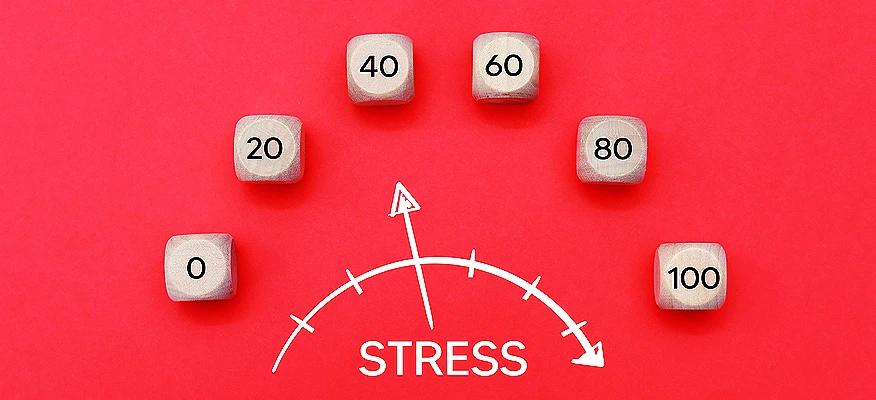
Stress is a silent cost of the current lifestyle we live, when you wake up to half a dozen notifications, unread emails, and a to-do list that keeps growing quicker than you can keep up with. Nearly 65% of US workers acknowledge that their jobs are a continual source of stress, and more than four out of five report experiencing work-related stress daily.
With over 120,000 deaths reported every year due to this, stress has pivoted to become a public health issue from a mere lifestyle complexity. Although stress is often viewed as a natural part of ambition, there’s a line between being challenged and being consumed. Understanding where that line lies, learning how to preserve energy, and developing practical coping mechanisms determine how you handle stress and pressure.
Understanding The Difference: Stress vs. Burnout
Stress, in its purest form, is a biological alarm system. It primes your body to respond to challenge. Your heart rate increases, cortisol levels rise, and your brain becomes laser-focused on the task at hand. In short bursts, stress sharpens performance. You feel alert and capable, even if slightly tense.
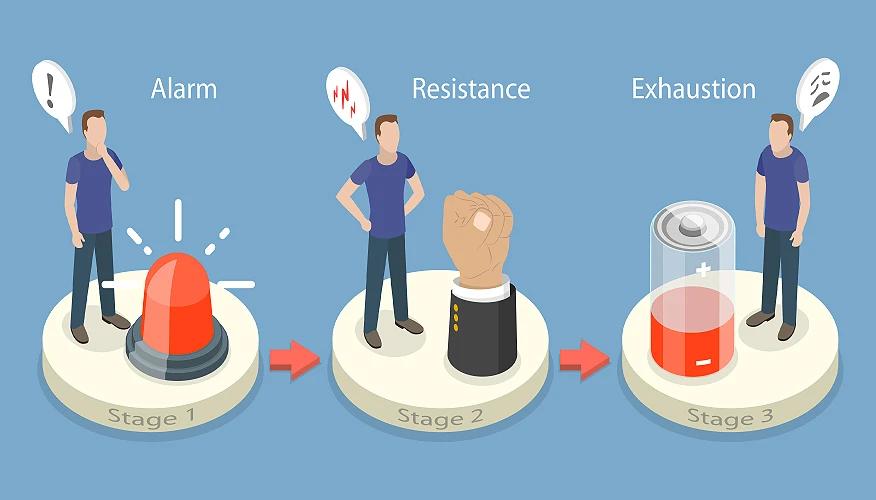
Burnout is what happens when that stress never gets the recovery time it needs. The World Health Organization defines it as chronic workplace stress that has not been successfully managed. It manifests as exhaustion, cynicism, and a reduced sense of accomplishment. You stop feeling tired; instead, you feel empty. Unlike stress, which fluctuates with workload and circumstances, burnout lingers even after rest.
The shift from stress to burnout doesn’t happen overnight. It creeps in quietly when rest stops being restorative. You start losing interest in things you once enjoyed. You wake up feeling just as drained as when you went to bed.
Common Sources of Stress and Pressure
Work is still the most common stressor. Nearly four out of ten employees believe their largest source of stress is their workload, and more than nine out of ten think workplace stress directly lowers their job performance. Long hours, tight deadlines, and ambiguous expectations contribute to a persistent low-level anxiety that does not go away when you leave the job.
Family and connections add an additional depth. Approximately seven out of ten parents believe juggling work and family duties creates everyday stress. When you are accountable for both job success and emotional support at home, the distinction between professional and personal exhaustion blurs. One partner's stress readily permeates the other's mood, and the entire home begins to function in a condition of silent tension.
Our mind also perceives financial instability as a constant threat, activating the same fight-or-flight response that once protected humans from predators.
Then comes the digital noise. Between emails, notifications, and online news cycles, the average person now consumes more information in a single day than someone in the 15th century did in a lifetime.
Daily Habits to Reduce Stress and Stay Balanced
Small daily habits often determine whether stress becomes manageable or toxic. Here are some of them addressed:
- Wake up fifteen minutes earlier to create calm before the day begins.
- Avoid screens for the first twenty to thirty minutes to protect focus and prevent anxiety spikes.
- Practice mindful breathing for two minutes to regulate your nervous system and lower cortisol.
- Take small, attentive mind breaks throughout the day to stretch, go outside, or breathe deeply between tasks.
- Check your emails and messages at regular intervals rather than reacting all the time.
- Turn off any unneeded notifications and keep your phone out of reach during concentrated work.
- Instead of making long lists, set short, achievable daily goals.
Long-term Strategies for Stress Management
- Long-term and sustainable stress management requires emotional strength, which is your ability to adapt and recover when things go sideways.
- Getting to know your emotional triggers helps you respond thoughtfully and allows you to be kind to yourself. A lot of people are harder on themselves without any particular reason. You must understand that setbacks are a normal part of growth.
- Emotional resilience also flourishes through social connection, where people have the opportunity to connect with others. Chatting with caring friends or family helps lower cortisol levels and brings back a sense of perspective. Research indicates that individuals with strong social connections bounce back from stress more quickly and enjoy better mental health in the long run.
- Moreover, without boundaries, every request feels urgent and every notification feels personal. Define clear limits on work hours, emotional availability, and communication. Let people know when you are and aren’t accessible. Maintaining those limits consistently.
Another foundational aspect of stress management is selfcare. Indulge in a simple yoga morning routine, balanced meals, and consistent sleep to stabilize the biological systems that stress disrupts first.
Time management techniques, such as time blocking and task prioritization, can give structure to your busy schedule. When you allocate time intentionally, the sense of chaos disappears. That leaves you with only the responsibility of going back to your original time management plan weekly and reviewing for changes.
When and How to Ask For Help
Therapy provides tools for emotional regulation, cognitive restructuring, and boundary setting. If sadness or anxiety persists for more than two weeks, if sleep problems don’t improve despite lifestyle changes, or if you begin withdrawing from activities that once mattered, it’s time to reach out.
Having a chat with your employer can also help ease your mind. If you’re stressed at work, get your case ready with a clean approach. Discuss how excessive stress is affecting your work and come up with a coping mechanism together. Talk about the possibility that you could reduce your workload or work fewer hours each week.
Conclusion
It’s great to think about how managing pressure isn’t about getting rid of it entirely, but rather about finding ways to overcome stress before it becomes too much to bear. Taking a little mind break between tasks, enjoying some small rituals, and setting personal boundaries can really make a big difference in helping you thrive at work instead of feeling overwhelmed.
Protect your recovery time like a scarce resource. Build emotional resilience through awareness, selfcare, and connection, and when stress begins to feel like a permanent state rather than a passing wave, treat that as a signal to pause, not push harder.
Meet our expert

Meet our expert
Dr. Dovbakh Olga Dmitrivna is a Clinical Psychologist based out of Ukraine. She graduated from the Bukovinian State Medical University, Ukraine back in 2009. Driven by a thirst of knowledge and with a keen interest in matters of the mind, Dr. Dovbakh Olga Dmitrivna went back to University in 2021 to specialise in psychiatry.



How was the experience with article?
We'd love to know!