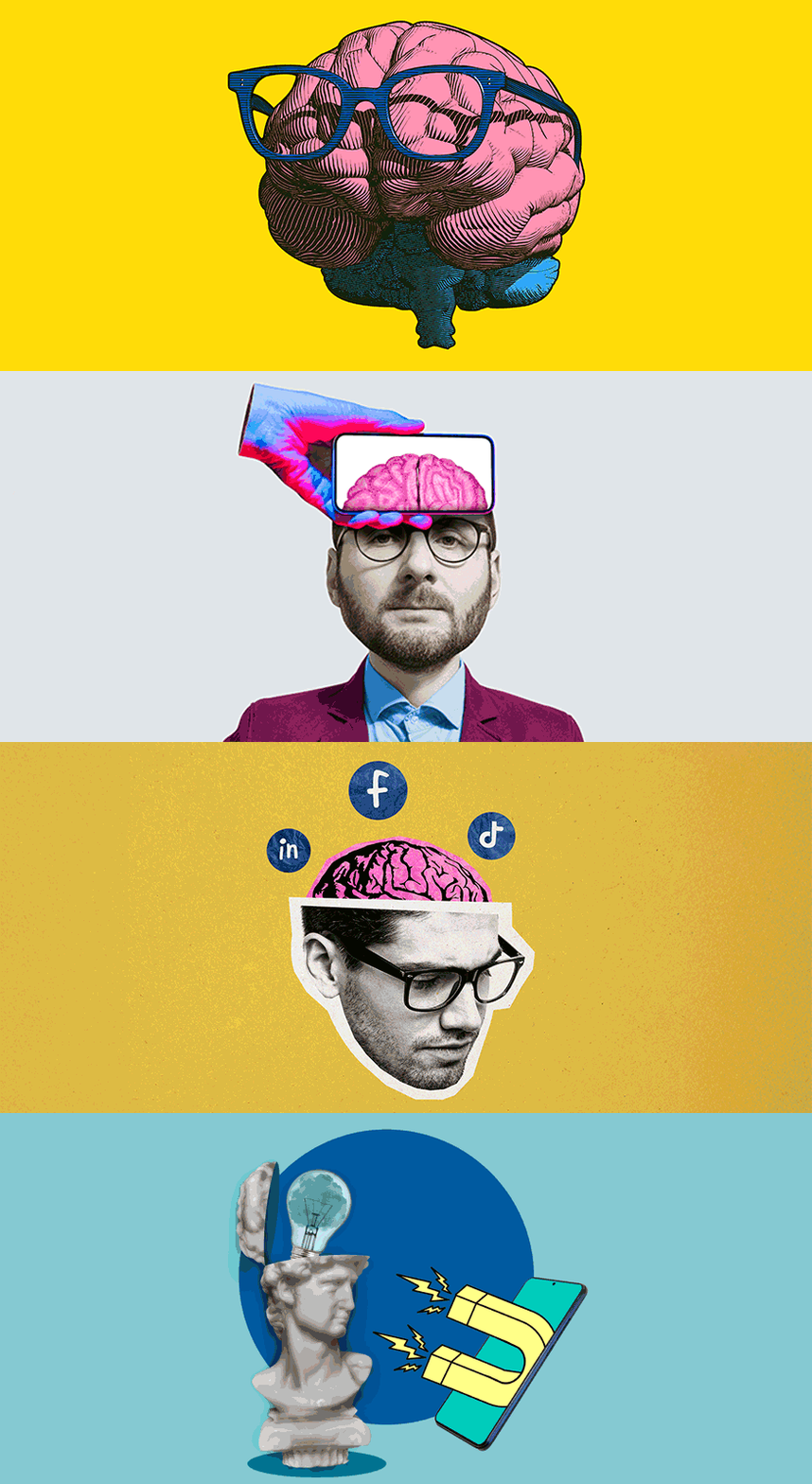
Imagine scrolling through your favorite social media feed, chuckling at memes, watching quick videos, and suddenly realizing hours have slipped away.
You might brush it off as harmless entertainment, but what if this habit is subtly impacting your cognitive health?
Here enters ‘brain rot!’ So significant is this concept that Oxford University Press named "brain rot" its Word of the Year for 2024, highlighting growing concerns about our digital habits.
What is brainrot? Brain rot meaning is gaining traction for describing the mental weariness linked to excessive consumption of trivial online content.
As we increasingly engage with social media platforms, understanding the implications of "brain rot" becomes essential.
Let's delve into what "brain rot" entails and how our online behaviors might be reshaping our minds.
Brain rot meaning: How social media is affecting our minds
So, what is brain rot? Brain rot describes the gradual decline in our thinking abilities caused by spending too much time on unchallenging online content.
This issue is especially linked to the endless stream of short videos on platforms like TikTok and Instagram. These platforms are designed to grab and hold your attention, but the content they offer often lacks depth.

This isn’t just about mindless entertainment; it’s about how our brains are adapting—or failing to adapt—to the flood of information we expose them to daily. Instead of encouraging critical thinking or problem-solving, it provides quick hits of dopamine, which can make it harder to focus on more demanding tasks over time.
One major concern is the impact this has on attention spans.
When we’re used to jumping from one short clip to another, sitting down to focus on a book, a project, or even a conversation can feel increasingly difficult.
Engaging excessively with such content can make it harder for us to focus, think critically, and process information deeply.
The term brain rot highlights growing concerns about how these digital habits might be dulling our minds.
Brain rot terms: Understanding the digital language
In the digital age, especially among younger generations, a unique set of slang terms has emerged, often referred to as brain rot words.

These expressions, while fostering a sense of community, can sometimes lead to communication barriers between different age groups.
Common brain rot words:
- Skibidi: Originating from the viral "Skibidi Toilet" video series, this term is used to describe something nonsensical or absurd.
- Rizz: Short for "charisma," it refers to someone's ability to attract others through charm.
- Gyatt: A term referring to the buttocks, often used in online contexts.
- Fanum Tax: Slang for stealing food, commonly used among younger internet users.
- Sigma: Refers to a leader or alpha male, often used in discussions about personality types.
- Delulu: A shorthand for "delusional," gained popularity in K-pop communities and has since spread to broader online usage.
- Brat: Originally meaning a spoiled child, "brat" has been redefined to describe a confident, hedonistic attitude.
- Demure: Traditionally meaning modest or reserved, "demure" became a viral term on TikTok in 2024, often used to describe someone exhibiting understated elegance.
These terms are prevalent in online spaces like TikTok, Snapchat, and gaming communities, reflecting the deep immersion of Generation Alpha and Generation Z in digital culture.
The widespread use of such slang can create communication gaps between generations.
Parents and educators may find it challenging to understand these terms, leading to misunderstandings. However, engaging with this evolving language can provide insights into the values and humor of younger generations, fostering better connections.

How can social media and the internet cause brain rot?
Social media platforms are designed to capture and retain user attention through endless streams of content.
This design can lead to addictive behaviors, where users find themselves continuously scrolling through trivial material.
The constant influx of information can overwhelm cognitive processes, resulting in mental fatigue and diminished capacity for deep focus and reflection.
Common brain rot behaviors and symptoms

Indicators of brain rot include:
- Doomscrolling: The compulsive consumption of negative news, leading to increased anxiety and stress.
- Overuse of Internet Slang: Frequent use of niche online jargon in everyday conversations, which may hinder effective communication.
- Physical Symptoms: Experiencing eye strain, headaches, and poor posture due to prolonged screen time.
How tiktok and social media are contributing to brain rot
What is tik tok brainrot? Why do people have tiktok brainrot now?
Yes, you might have these questions in your mind! Well, TikTok and similar social media platforms have revolutionized how we consume content, offering a seemingly endless stream of rapid, bite-sized videos.
These short clips are designed to be highly engaging, with their quick pace, vibrant visuals, and often humorous or entertaining nature. However, while entertaining, this content is often mentally unstimulating, offering little in the way of intellectual challenge or depth.
The key driver behind this phenomenon is the algorithm-driven design of platforms like TikTok. These algorithms analyze user behavior to curate a highly personalized content feed, ensuring that users remain hooked for as long as possible.
The content is tailored to individual preferences, creating an addictive feedback loop that makes it difficult to log off. This "infinite scroll" design encourages users to consume video after video, often without realizing how much time has passed.
Over time, constant exposure to superficial material can reshape how the brain processes information.
Brain rot test: How to know if you're affected
Assessing whether you're experiencing brain rot involves reflecting on your digital habits and their impact on your daily life.
While there's no formal medical test for this phenomenon, certain behaviors and symptoms can indicate its presence.
Self-Assessment Questions:
- Screen Time Awareness: Do you find yourself spending more time online than intended, often losing track of time?
- Content Consumption: Is a significant portion of your online activity dedicated to consuming low-quality or trivial content, such as endless scrolling through memes or short-form videos?
- Attention Span: Do you struggle to focus on tasks without frequently checking your phone or social media?
- Physical Symptoms: Have you experienced eye strain, headaches, or poor posture due to prolonged screen time?
- Emotional Well-being: Do you feel more anxious, stressed, or emotionally numb after extended periods online?
- Brain Rot Quiz: Attempt some online brain rot quiz to test yourself. If you score "yes" to most of the questions, it’s a sign your digital habits may be taking a toll.
Behavioral Indicators:
- Doomscrolling: Engaging in the continuous consumption of negative news, leading to increased anxiety and stress.
- Overuse of Internet Slang: Incorporating niche online jargon into everyday conversations, which may hinder effective communication.
Physical Signs:
- Eye Strain and Headaches: Prolonged screen time can cause discomfort and pain in the eyes and head.
- Poor Posture: Extended periods spent on devices can lead to slouching or other forms of poor posture.
Emotional Symptoms:
- Increased Anxiety and Stress: Excessive online engagement, especially with negative content, can heighten feelings of anxiety and stress.
- Emotional Numbness: Overexposure to online content may lead to a diminished capacity to empathize or feel emotions deeply.
If you identify with several of these indicators, it may suggest that your digital consumption is adversely affecting your cognitive health. Recognizing these signs is the first step toward mitigating potential brain rot.

How gen z and young adults are affected by brain rot
Gen Z and young adults, as digital natives, are particularly susceptible to brain rot. One of the key challenges they face is blurring the lines between online and offline realities.
Platforms like TikTok, Instagram, and Snapchat foster a curated version of life, where filters, likes, and comments create a distorted sense of self-worth and social validation.
For some, this results in difficulties forming authentic connections in real life, as online interactions take precedence over face-to-face communication.
When information is always available in quick, easily digestible formats, the need for deep learning and sustained mental effort diminishes, potentially leading to shortened attention spans and reduced intellectual engagement.
The emotional toll is also significant. Feelings of anxiety, inadequacy, and stress can arise from comparing oneself to the idealized lives showcased online.
Signs and symptoms of brain rot in daily life
Manifestations of brain rot include:
- Reduced Attention Span: Difficulty focusing on tasks without frequent breaks to check digital devices.
- Memory Issues: Challenges in retaining information due to constant distractions.
- Emotional Numbness: A diminished capacity to empathize, stemming from overexposure to online content.
How to prevent and cure brain rot: Practical solutions

Here are some practical solutions to prevent brain rot:
- Digital Detox: Schedule regular breaks from screens to engage in offline activities, allowing your brain to rest and recharge.
- Mindful Consumption: Be selective about online content, focusing on material that is enriching and thought-provoking to stimulate your mind.
- Physical Activity: Incorporate exercise into your routine to enhance cognitive function and reduce dependence on digital devices.
- Setting Boundaries: Establish specific times for social media use to prevent overindulgence and promote a balanced lifestyle.
- Curate Your Feeds: Regularly review and manage your social media feeds to ensure the content you consume is positive and beneficial.
- Practice Mindfulness: Engage in mindfulness exercises, such as meditation, to improve focus and reduce mental clutter.
- Prioritize Sleep: Ensure adequate sleep to support cognitive health and mitigate the effects of digital overstimulation.
- Engage in Hobbies: Pursue offline hobbies that bring joy and fulfillment, providing a healthy distraction from screens.
Conclusion
So, you have got your answer to what does brainrot mean!
Brain rot highlights the cognitive challenges posed by excessive digital consumption. As digital natives, Gen Z and young adults are particularly susceptible.
Recognizing symptoms like reduced attention spans and emotional numbness is crucial for taking control. Implementing strategies such as digital detoxes, mindful content consumption, and setting boundaries can mitigate these effects.
By balancing online engagement with enriching offline activities, we can protect our mental health and ensure that our use of technology remains beneficial and sustainable. The goal is mindful moderation to thrive in our increasingly digital world.
Meet our expert

Meet our expert
Dr. Pulyk Nataliya Omelanivna is an Internal Medical Expert who is based out of Ukraine. With a special interest in internal medicine Dr Pulyk graduated from the Ternopil National Medical Academy in Ukraine, in the year 2001. Between the years 2002-2009, Dr Pulyk worked as an emergency physician. Her years of work as an emergency physician gave her immense exposure to a range of patients and an opportunity to learn on the job, and gather extensive experience.


How was the experience with article?
We'd love to know!