
Thai massage is a traditional therapy that uses assisted stretching, acupressure, and yoga-like movements to clear internal energy pathways and promote full-body balance. It helps improve flexibility, increase range of motion, reduce muscle tension and stiffness, enhance blood circulation, and support relaxation. This hands-on technique also relieves headaches, eases chronic back pain, boosts energy levels, lowers stress, and promotes overall wellness without using oils or kneading.
There's nothing quite like that feeling after a long day when you can finally put your feet up and relax.
Our busy lifestyles often leave us feeling physically drained and mentally overwhelmed. Now, can you imagine if there was a way to revive yourself, body and soul, with an activity that doesn't involve hitting the gym or meditating for hours? Sounds too good to be true? Not at all! Welcome to the wonderful world of Thai massage.
Thai massage, a centuries-old practice, combines acupressure, yoga-like poses, and relaxation techniques to help restore the body’s natural balance and offer numerous health benefits. Often hailed as the 'lazy person’s yoga,' it's much more than just a day at the spa.
Ready to learn more about this unique form of massage? Stick around as we dive into the myriad health benefits of Thai massage - from boosting energy levels to reducing stress and beyond.
Trust us; you'll be booking your first appointment before you even finish reading this blog!
What is Thai Massage?
Thai massage, sometimes called Thai yoga massage or assisted yoga, is a unique form of bodywork that differs significantly from traditional Western massages. Unlike typical massages that rely on oils and techniques like rubbing or kneading, Thai massage focuses on guided passive stretches and yoga-like poses to promote overall well-being.
Thai massage is a traditional healing practice that combines deep tissue massage, assisted stretching, and gentle rhythmic movements. Originating in Thailand over 2,500 years ago, it blends principles from Indian Ayurveda, Chinese medicine, and yoga.
During a session, the therapist uses their hands, elbows, forearms, and even feet to apply pressure and help release muscle tension. The massage involves moving your body through a series of stretches and movements that target energy pathways in the body, known as “sen.” These pathways are believed to carry internal energy, and clearing them promotes balance and health.
Thai massage is designed to relax the body, increase flexibility, reduce muscle stiffness, and enhance circulation. It is often described as a combination of massage, physical therapy, and yoga—all rolled into one session. The holistic approach aims to harmonize body, mind, and spirit for better health and well-being.
A typical Thai massage session lasts about 90 minutes and usually takes place on a mat or mattress on the floor rather than a traditional massage table. Unlike many other types of massage, you remain fully clothed—wearing comfortable, loose-fitting clothes to allow freedom of movement.
Thai massage also incorporates spiritual elements rooted in Buddhism. Therapists are often trained to send loving kindness, or "metta," throughout the session, aiming to enhance both physical and mental wellness by moving energy through the body’s organs and systems.
Because Thai massage requires specialized training and knowledge of these energy lines and movements, it’s important to seek a certified practitioner to ensure you receive an authentic and safe experience.
Traditional Thai Massage Benefits
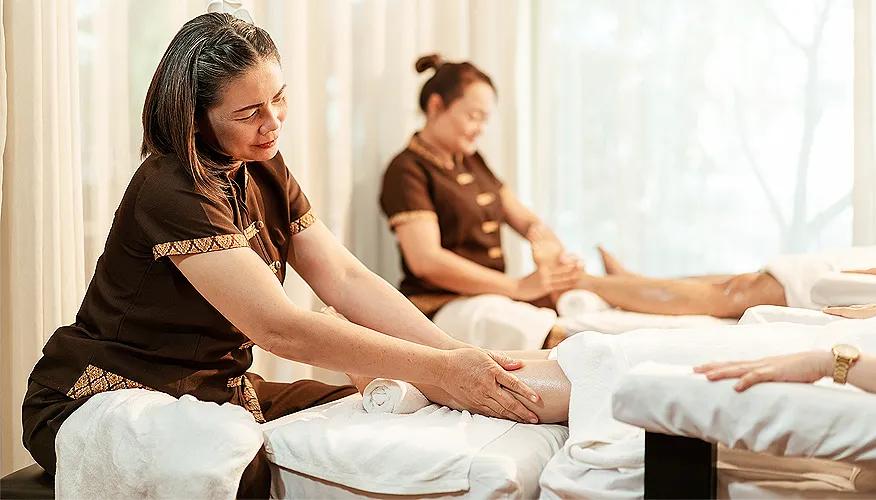
Thai massage is more than just a way to relax—it’s a therapeutic practice rooted in ancient traditions that blends acupressure, yoga-like stretches, and deep massage. With a growing body of research and centuries of history, Thai massage offers a wide range of health benefits for both the body and mind. Below is a complete look at the scientifically-backed and practitioner-recommended benefits of Thai massage:
1. Improves Flexibility and Range of Motion
One of the most recognized benefits of Thai massage is its ability to increase flexibility and mobility. The unique blend of assisted stretching and compression techniques helps lengthen muscles, loosen tight joints, and enhance your overall range of motion.
Research shows that Thai massage boosts blood flow and oxygen delivery to muscles, which can lead to more supple tendons and better joint function. This is especially beneficial for athletes or individuals with limited mobility.
2. Reduces Muscle Tension and Stiffness
Thai massage targets specific areas of muscle tension through a combination of acupressure, rhythmic compression, and passive stretching. These techniques help break down adhesions in the muscles and relieve chronic stiffness, making it easier to move without discomfort.
3. Thai Massage Relieves Chronic Lower Back Pain
Whether you're dealing with upper or lower back pain, Thai massage can offer significant relief. Studies have shown that Thai massage is just as effective as conventional methods such as stretching or hot compress therapy for easing nonspecific back pain.
The therapist uses yoga-like positions such as pigeon or figure-four pose, often while you're fully supported, to gently mobilize the spine and relieve built-up tension. These spinal twists and stretches can help lubricate joints and improve spinal flexibility, offering pain relief without medication.
3. Reduces Headache Intensity
If you struggle with migraines or chronic tension headaches, Thai massage may offer natural relief. Multiple studies report that Thai massage can reduce the frequency, intensity, and duration of headaches, with effects lasting from several days to even a few weeks.
By releasing tightness in the neck, shoulders, and upper back—often the root cause of tension headaches—Thai massage works as a gentle yet powerful alternative to pharmaceutical treatment.

4. Thai Massage Boosts Circulation
Thai massage stimulates both blood and lymphatic flow. As the therapist applies pressure and stretches your body, blood vessels expand, helping oxygen and nutrients reach deep tissues. Improved circulation can speed up muscle recovery, reduce inflammation, and enhance your body’s natural detox process.
5. Lowers Stress and Anxiety
Though Thai massage involves more dynamic movement than traditional massage styles, it’s still profoundly relaxing. The combination of rhythmic pressure, deep breathing, and meditative movement helps shift the body out of "fight-or-flight" mode and into a calmer "rest-and-digest" state. In fact, studies show reduced cortisol (stress hormone) levels and improved mood following Thai massage sessions. Many people even fall asleep during treatment due to the deeply soothing experience. By calming the nervous system and encouraging deep relaxation, Thai massage helps reduce symptoms of anxiety and emotional stress. This emotional balance, in turn, supports overall health, creating a sense of peace and well-being that lasts beyond the session.
6. Improves Energy Levels
Rooted in traditional Thai medicine, this massage technique works with energy pathways (called Sen lines). Balancing these energy lines can help harmonize the body’s internal systems, which may boost overall vitality and prevent illness. One study comparing Thai massage to Swedish massage found that participants who received Thai massage reported feeling more mentally alert and physically energized afterward.
7. Supports Joint Health
Thai massage improves joint mobility by working on the tendons and surrounding soft tissues. For people with osteoarthritis or joint pain, it can be a non-drug alternative to ease discomfort and improve movement.
8. Thai Massage Aids in Digestion
Thai massage includes abdominal techniques that stimulate internal organs and may improve digestion. Deep pressure on specific energy points in the abdominal area can help move stagnant energy, which may aid in regulating bowel movements and easing bloating or discomfort.
9. Helps Stroke Patients
Emerging research suggests that Thai massage may benefit stroke survivors by improving their ability to perform daily activities. Regular sessions can reduce pain, enhance joint function, and promote better sleep—contributing to a higher quality of life during recovery.
10. Promotes Overall Wellness
Thai massage is more than just physical therapy—it’s a holistic approach to health. It addresses the body, mind, and energy system simultaneously, making it ideal for anyone seeking natural ways to manage chronic pain, boost mood, or simply feel better in their body.
11. Thai Massage Enhances Posture
Regular Thai massage sessions can help correct postural imbalances by releasing tight muscles and aligning the spine. Many people experience poor posture due to prolonged sitting or improper ergonomics—Thai massage helps by stretching and lengthening muscles that have become shortened or stiff.
12. Improves Sleep Quality
By reducing stress, relaxing the nervous system, and relieving physical tension, Thai massage may help improve the quality of your sleep. Many people report falling asleep more easily and waking up feeling more refreshed after a session.
13. Thai Massage Boosts Immunity
Improved lymphatic circulation from Thai massage can help the body eliminate toxins more effectively. This supports immune function, making the body more resilient to illness and infection.
14. Promotes Mindfulness and Body Awareness
Thai massage encourages mental focus on the breath and body sensations. This mindful attention can improve body awareness, reduce mental clutter, and foster a stronger mind-body connection—helpful for those dealing with anxiety or chronic pain.
15. Thai Massage Improves Athletic Performance and Recovery
Athletes often use Thai massage to improve recovery time and prevent injuries. The stretching and compression techniques improve flexibility, reduce muscle soreness, and promote quicker healing after intense physical activity.
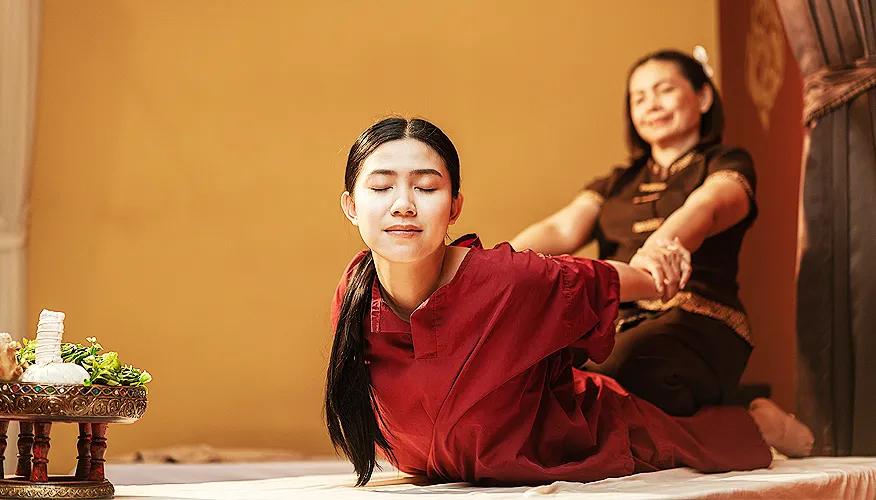
Traditional Thai Massage Techniques
Traditional Thai massage uses a blend of unique techniques that combine pressure, movement, and assisted stretching to promote physical and energetic balance. Here's a detailed look at what makes this ancient practice so distinctive:
1. Use of Hands, Thumbs, Elbows, Forearms, and Feet
Thai massage practitioners often use a variety of body parts—such as their hands, thumbs, elbows, forearms, and even feet—to apply deep pressure and release tension in your muscles. This allows them to work on different areas of the body with varying pressure intensities, depending on the need.
2. Energy Line Work (Sen Lines)
Thai massage is rooted in the belief that energy flows through the body along invisible pathways known as Sen lines. Blockages in these energy lines are thought to cause pain or illness. Practitioners apply rhythmic pressure and massage techniques along these lines to restore healthy energy flow.
3. Passive Stretching (Yoga-Like Movements)
One of the most distinctive elements of Thai massage is assisted stretching. The therapist gently guides your body into various yoga-like postures. These stretches improve flexibility, joint mobility, and muscle elasticity, making you feel more open and limber after the session.
4. Pulling and Rocking Motions
Unlike other massage types, Thai massage incorporates gentle pulling, rocking, and rhythmic movements to promote circulation, calm the nervous system, and loosen stiff areas. These techniques help mobilize joints and increase the flow of vital energy throughout the body.
5. Joint Mobilization
Thai massage often involves rotating, bending, or stretching joints to reduce stiffness and enhance range of motion. It’s especially beneficial for people with arthritis, joint pain, or movement restrictions.
6. Compression Techniques
Therapists use their body weight to apply slow, consistent pressure on muscles using palms, thumbs, or forearms. This technique stimulates blood flow, relieves muscle tension, and prepares the body for deeper stretching.
7. Reflexology and Foot Massage
Footwork is an essential part of Thai massage. Pressure is applied to specific points on the feet that correspond to other areas of the body. This stimulates organ function, supports detoxification, and encourages full-body relaxation.
8. Abdominal Massage
Some sessions include gentle abdominal work to stimulate internal organs and improve digestion. Practitioners believe massaging energy points in the stomach area can help with overall gut health and energy movement.
9. Rhythmic Flow and Active Participation
Thai massage is not passive. The therapist actively moves and stretches your body, and you often need to engage or reposition yourself during the session. This makes Thai massage more interactive and energizing than traditional Western massages.
What Makes Thai Massage Different?
- It's done on a floor mat, not a massage table.
- You wear comfortable clothing, not oils or lotions.
- The session is often interactive, with your body being moved and stretched by the therapist.
- It blends physical, mental, and energetic healing, making it a holistic therapy.
How Frequently do you receive Traditional Thai Massages?
The frequency of Thai massages depends on individual needs and goals. For general wellness, many people opt for a Thai massage once a week or once every two weeks. However, if you're using Thai massage for specific issues like muscle soreness or recovery from intense physical activity, you may choose to get a session more frequently, such as two to three times per week. It's important to listen to your body and consult with a therapist to determine the best schedule for you.
Who Should Consider Getting a Traditional Thai Massage?
Thai massage can be highly beneficial for a wide range of individuals, whether you're physically active, sedentary, or dealing with ongoing physical discomfort.
1. Ideal for Sedentary Lifestyles
If you spend most of your day sitting—whether at a desk, driving, or in front of a screen—you may experience stiffness, poor posture, or muscle tension. Thai massage can help alleviate these discomforts through stretching and deep pressure techniques that improve circulation and muscle flexibility.
2. Great for Active Individuals and Athletes
Those who lead physically active lives or participate in sports may benefit from Thai massage to enhance flexibility, reduce muscle soreness, and improve performance. The yoga-like movements and assisted stretches are ideal for supporting an active body’s recovery and range of motion.
3. Helpful for Stress, Back Pain, and Flexibility Issues
Thai massage is known to help reduce stress, relieve back pain, and increase flexibility. These benefits make it a worthwhile option for those seeking natural, holistic ways to improve overall well-being.
What to Expect during a Traditional Thai Massage Session?
In a Thai massage, you will typically lie on the floor, fully clothed in loose, comfortable attire. A licensed massage therapist will guide you through a series of gentle stretches, using their hands, knees, legs, or feet to help move your body into different positions. The therapist will apply pressure to specific points and use rhythmic movements to release tension and improve flexibility.
While the session may feel deep or intense, it should never cause pain or discomfort. If at any point you experience either, it’s important to communicate with your therapist to adjust the pressure or technique.
Risks and Safety: Traditional Thai Massage
While Thai massage offers numerous health benefits, it is important to be aware of its limitations. Due to its effects on the circulatory system, individuals with certain health conditions should consult their healthcare provider before opting for Thai massage. These conditions include:
- High blood pressure
- Diabetes
- Heart disease
- Osteoporosis
- Coronary artery disease
- Cancer
Although skilled massage therapists can adjust the pressure and intensity, Thai massage should be avoided during recovery from an injury.
Additionally, individuals with cancer, those who are pregnant, or those recovering from surgery should refrain from Thai massage. The physical demands of the massage could potentially lead to complications or exacerbate existing health issues.
Conclusion
Embarking on the journey of Thai massage offers a plethora of benefits for both physical and mental well-being.
This traditional practice is not just about relieving tension or pain; it's about empowering yourself with a tool that can help maintain balance, enhance energy levels, and promote overall well-being.
In our fast-paced world where stress and anxiety are common, incorporating Thai massage into your lifestyle can offer much-needed tranquility and balance. By understanding its history, benefits, and techniques, you can make an informed decision about integrating this therapeutic practice into your wellness routine.
Meet our expert

Meet our expert
Ng Juby is a Registered Nutritionist under the Allied Health Professional Act 774, holding
a Bachelor of Science (Hons) in Nutrition with Wellness from UCSI University.



How was the experience with article?
We'd love to know!