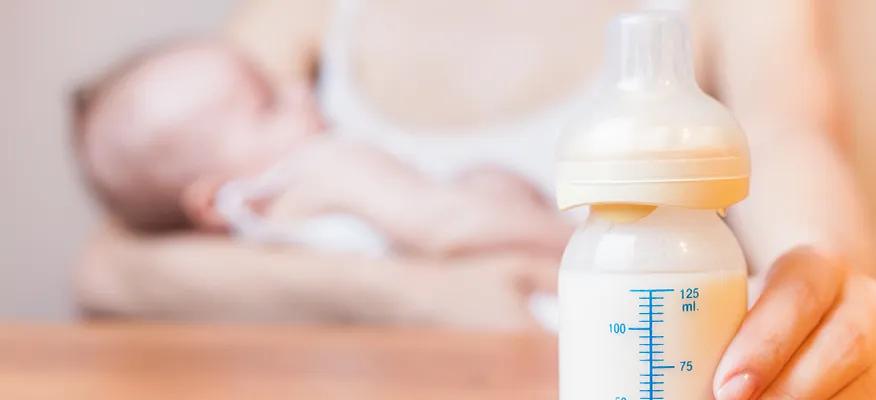
Confused About What To Feed Your Baby?
One of the most difficult decisions you will make is deciding whether to breastfeed your baby or use a formula to feed the baby. Several health organizations like the World Health Organization (WHO) advise breastfeeding as the number one choice to feed infants.
However, some mothers cannot or may not want to breastfeed and formula feeding may be the best option for them. Let’s take a quick dive into understanding what is breastfeeding and formula feeding and their pros and cons.
What Is Breastfeeding?
Breastfeeding is when the baby gets milk directly from a mother’s breast. Did you know breastfeeding provides nutrition and immunity boost to infants and has numerous benefits for both the baby and the mother?
Breast milk contains antibodies, enzymes, and nutrients like sugar, fat, protein, and water that help protect infants from infections and illnesses. Breastfeeding can be challenging at times, but with support and the right information, it can be a rewarding experience for both mother and baby.
What Is Formula Feeding?
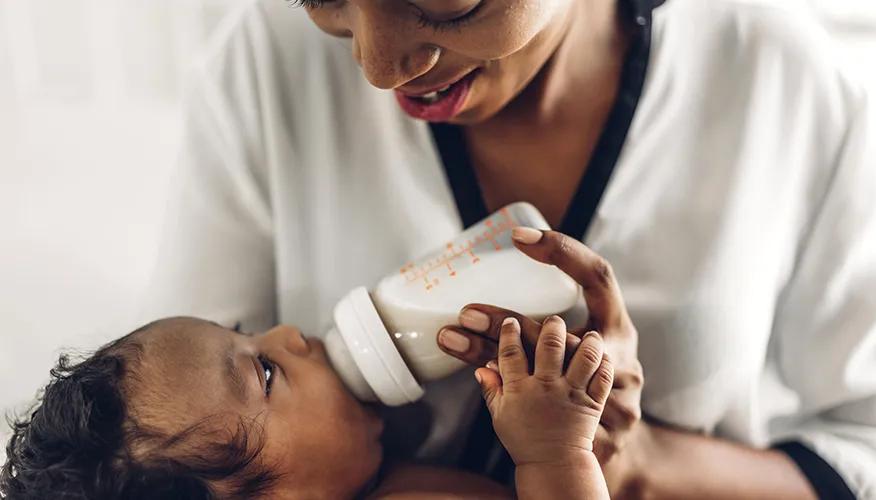
Formula feeding or bottle feeding, on the other hand, is usually used as an alternative to breastfeeding, where an infant is fed formula milk using a bottle. Infant formula is designed to provide the necessary nutrients for a baby’s growth and development, and it usually comes in powder form. You will mix this powder with drinking water and fill it in a bottle.
It can be a good choice for mothers who are unable to breastfeed or choose not to. However, formula feeding may not offer the same health benefits as breastfeeding and can be expensive. Let’s take a lot at the pros and cons of breastfeeding and formula feeding.
What Are The Pros And Cons Of Breastfeeding?
As we read above, breastfeeding protects against certain diseases. Breastfed infants have a reduced likelihood of developing:
- Allergies
- Respiratory infections
- Diarrhoea
- Diabetes
- Ear infections
- Sudden infant death syndrome (SIDS)
- Asthma
- Obesity
- Meningitis
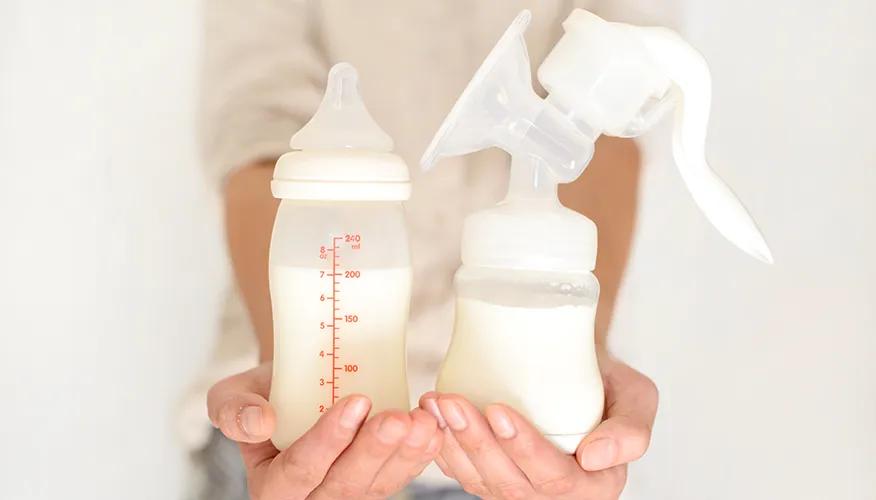
Breastmilk will not cost you any money and is readily available. It requires no hassle of cleaning and sanitizing bottles unless you are pumping breastmilk. The duration of breastfeeding decides the increased protection against these health issues.
In addition, breastfeeding can also have positive effects on the mother's health, such as:
- Lowering the risk of high blood pressure
- Breast cancer
- Ovarian cancer
- Type 2 diabetes
- Improve uterine contraction and reduce postpartum bleeding.
There are no significant cons in any type of feeding. Breastfeeding, for instance, can reduce vaginal lubrication. This, in turn, makes sex uncomfortable.
However, this can be solved using lubrication. In addition, breastfeeding is energy and time-consuming which a lot of new parents may not have. It is also possible that women may face a lack of support or discrimination while breastfeeding in public or at the workplace.
What Are The Pros And Cons Of Bottle Feeding?
Formula feeding comes into play when mothers may not be able to breastfeed due to medical reasons or may find it stressful or difficult.
Here are a few reasons why bottle feeding is better:
- It allows fathers, grandparents, and other helpers to participate in feeding.
- It allows the mother more flexibility and is less time-consuming.
- It also allows the mom to eat without worrying if what they are eating will affect the baby.
Bottle feeding also has its own set of drawbacks. The one major drawback is that it does not have the antibodies present in the breastmilk that help fight infections and illnesses. They can also be super expensive. Further, the added cost of bottles and nipples can be a burden on some parents.
Breastfeeding and bottle feeding are both good options for feeding babies. Breastfeeding may offer several benefits such as providing proper nutrition, boosting immunity, and helping foster a bond between the mother and baby. Similarly, bottle feeding can be a better option for mothers who cannot breastfeed. Some mothers also choose to breastfeed along with supplementing formula milk when required. In the end, the decision on whether to breastfeed or bottle feed should be based on individual circumstances and preferences.

Conclusion
Choosing the correct feeding method is an individual process for everyone. You, as a mother, know what is best for your child and you. In this article, we discussed the pros and cons of breastfeeding versus bottle feeding to help you get some insight.
You should consult with a doctor for further advice on helping you choose the best method to feed your baby to keep them healthy and happy.
Meet our expert

Meet our expert
Dr. Sharmila Samararanayake (MBBS, DCH) is a distinguished medical practitioner, currently serving in the Dermatology unit at the esteemed National Hospital of Sri Lanka. Graduating with honors from the renowned Faculty of Medicine in Colombo, Sri Lanka, she has continually pursued excellence in her field. Dr. Samararanayake holds a Diploma in Child Health from PGIM Colombo and a Diploma in Child Psychology from the American College, further expanding her expertise.


How was the experience with article?
We'd love to know!