
‘Crunch, crunch!’ Oh, that satisfying sound of cracking open a nut and popping it into your mouth. Isn’t it fascinating how something so small can provide such big benefits for our health?
Especially when we talk about diabetes, a condition that puts dietary choices under the microscope. It’s like walking a nutritional tightrope where the right foods can make all the difference in maintaining your blood sugar levels.
Did you know that nuts, besides being delicious little morsels of healthful crunch, can actually be beneficial for people managing diabetes? Yes indeed, and we’re not just talking peanuts here. There’s a buffet of nuts out there that can be instrumental in your fight against this sugar sneak.
So, stick around because we’re about to dive into the world of best nuts for diabetes. We’re all set to uncover the surprising benefits of these nutrient-dense snacks and learn how they can help maintain blood sugar levels.
So, are nuts good for diabetics? Let’s find out together!
Can diabetics eat nuts?
The quick answer to this question is a resounding yes! People with diabetes can certainly incorporate nuts into their diet. However, as with all things, moderation is key. Due to their high calorie content, it's crucial not to overindulge in nuts, despite their health benefits.
Nuts are known for being low on the glycemic index, meaning they have minimal impact on blood sugar levels. This makes them an excellent snack option for people living with diabetes.
In fact, when it comes to nuts and blood sugar levels, the connection is quite positive.
So, if you’re still wondering ‘are nuts good for diabetes?’ the answer is not just good, but great!
Why are nuts useful for diabetes?
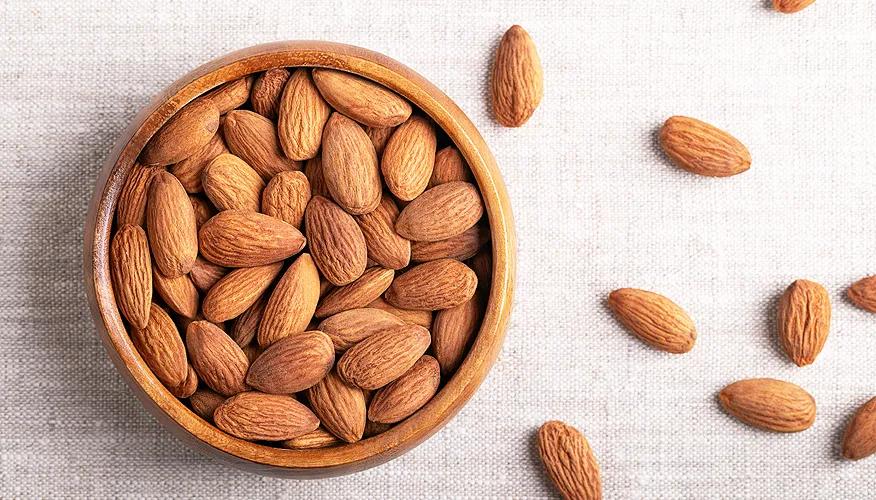
Are you curious about why these tiny powerhouses are so helpful for people with diabetes?
Well, there are quite a few reasons why you might want to consider adding them to your list of diabetes-friendly foods:
- High in unsaturated fats: Unlike saturated fats which can raise cholesterol levels and increase the risk of heart disease, unsaturated fats support cell growth and protect organs. Nuts are packed full of these good fats!
- Good source of protein and fiber: Both protein and fiber can help control hunger pangs, keeping you satiated for longer. These nutrients can also slow the absorption of sugar into your bloodstream, which helps stabilize blood sugar levels.
- Rich in vitamins and minerals: Nuts are nutritional powerhouses! They're packed with vitamins like vitamin E and minerals like magnesium and potassium. Plus, they're loaded with antioxidants which can protect against cell damage.
- Cardiovascular benefits: People with diabetes have an increased risk of heart disease. The good news? Nuts are heart-friendly foods that help improve cholesterol profiles and reduce the risk of heart disease.
What nuts are good for diabetics?
Praise be to the humble nuts!
But, I know you’re still wondering ‘what nuts can diabetics eat?’
Let’s break it down with this helpful list of eight best nuts for diabetes:
Almonds
- Almonds are some of the best nuts for diabetics to eat.
- They can help manage glucose levels and reduce oxidative stress, which is a key factor in diabetes and heart disease.
- High in magnesium, vitamin E, and fiber, almonds are definitely a healthy choice.
Walnuts
- While walnuts are high in calories, they don’t significantly impact body weight.
- They’re also beneficial for reducing fasting insulin levels, improving the ratio of HDL to LDL cholesterol, and supporting weight loss by promoting feelings of fullness.
- As good sources of the heart-healthy alpha-linolenic acid (ALA), an omega-3 fatty acid, these nuts are a great choice for diabetics.
Cashews
- Cashews are high in iron, zinc, and magnesium have a lower fat content than many other nuts.
- Cashews do not negatively impact blood glucose levels or weight and help lower blood pressure and reduce the risk of heart disease, thus making them one of the best nuts for type 2 diabetes.
Pistachios
- Don’t be fooled by their small size; pistachios pack a big nutritional punch!
- They’re high in protein and good fats, helping you feel full for longer.
- Plus, they have a low glycemic index, which means they're less likely to spike your blood sugar levels.
Peanuts
- Peanuts aren’t just tasty; they’re also good for managing diabetes.
- They are a top-notch source of plant-based protein and fiber, helping to control blood sugar levels.
- Plus, they can aid in weight loss and reduce the risk of heart disease.
Hazelnuts
- While they might not be as commonly mentioned as some other nuts, hazelnuts are still a fantastic choice for diabetics.
- They are rich in folate and other nutrients and contain unsaturated fats and fiber which make them a healthy addition to any diet.
Macadamias
- Yes, macadamias are higher in calories, but they’re also rich in monounsaturated fats which can help lower the bad cholesterol, also known as LDL cholesterol, and improve overall heart health.
- Just remember to consume these in moderation.
Pecans
- Pecan nuts are high in fat but they contain beneficial ALA omega-3 fatty acids.
- They can improve insulin resistance, reduce fasting insulin levels, and lower total and LDL cholesterol levels.
- This makes the relationship between pecan nuts and diabetes quite positive, making pecan nuts for diabetes a smart choice. DIAVIT

Tips to add nuts to the diabetes diet
Adding nuts to your diet doesn’t have to be hard. Here are some simple tips for incorporating these nutritional powerhouses into your diabetic meal plan:
- Consume it moderation: Remember that a serving size is usually about 1 ounce or about a small handful. This helps keep your calorie intake in check.
- Choose raw and unsalted: Try to avoid nuts that are coated in salt, candy, or honey. These can add unnecessary sodium and sugar to your diet.
- Add to meals: Nuts can be added to salads, whole-grain rice pilaf, or you can use them as a topping for oatmeal or yogurt.
- Cook with nuts: Try adding nuts to air-popped popcorn or whole-grain rice dishes for extra nutrition and flavor.

Conclusion
Nuts for diabetes can be a real game-changer in managing this condition. They offer a range of health benefits—everything from stabilizing blood sugar levels to supporting heart health.
Remember, though, the key is to consume them in moderation while avoiding salted or sugar-coated varieties. By incorporating the right kinds of nuts in your diet and following our handy tips, you can elevate your health and take charge of your diabetes management.
And finally, keep in mind that while nuts are an excellent food option for diabetics, they should be part of a balanced diet. Always consult with your doctor or a nutrition expert to understand what works best for you.
Meet our expert

Meet our expert
Dr. Pakanich Maria Petrivna graduated from Ukraine's Uzhhorod National Medical University, Faculty of Medicine, in 1999. She further pursued her post graduation studies at Lviv National Medical University between 1999-2000. She then spent 16 years (2000-2016) at the same university as the resident doctor neurologist. Since 2016,Dr. Pakanich Maria Petrivna has been associated as a medical representative with Mega We Care.



How was the experience with article?
We'd love to know!