
Ah, the smell of freshly baked bread wafting from the kitchen! It’s a universal joy that never fails to bring a smile to our faces.
However, the simple pleasure of enjoying a slice of your favorite bread can become a bit complicated if you’re managing diabetes. With the countless varieties of bread available, it can tough to figure out which ones are suitable and which ones are an absolute no-no for your blood-sugar management.
Given the circumstances, it is natural to think ‘Is bread for diabetics a good food choice?’ or ‘What kind of bread can a diabetic eat?’ And if you are a foodie who is managing diabetes then you might have many more questions like these running through your mind: ‘Can diabetics eat garlic bread?’ ‘Is wheat bread good for diabetics?’ ‘Is rice or bread better for diabetics?’ ‘Is sourdough bread ok for diabetics?’ We are here to put your mind at ease.
In this blog, we are going to go through popular breads choices and help you understand what makes some types of bread better or worse for your diabetes management. We will cover the complex connection between white, wheat, sourdough, or wholemeal bread and diabetes.
Get ready to discover the worst and best bread for people with diabetes.
Carbohydrate intake and diabetes management
Bread is a dietary staple for many, but this baked goodie is loaded with carbohydrates. For optimum diabetes management, controlling carbohydrate intake is crucial.
Carbs can alter blood sugar levels, making the selection of the right kind of bread vital for blood sugar control. So, is bread good for diabetics? Well, it depends on the type of bread.
Not all breads have the same ingredients and composition. Whole grain and whole wheat breads are better options for diabetics than white bread. Why is that you ask?
Unlike refined white bread, these healthier options contain complex carbohydrates and fiber, which lead to slower absorption of glucose. This does not cause a spike in blood sugar levels, contrarily, it leads to a more gradual rise which is ideal in diabetes management.
Best bread for diabetes
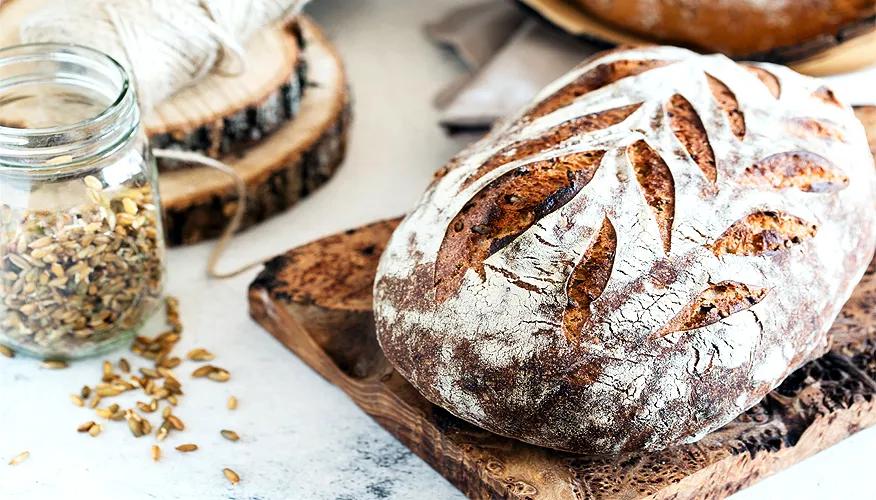
We know this is what you were waiting for. Hold tight because we are about to revel the best breads for diabetics
Sourdough bread
The benefits of sourdough bread for diabetics are numerous due to its unique preparation process.
- Sourdough is a kind of fermented bread where the fermentation process breaks down some of the carbohydrates and gluten.
- This results in a bread with a lower GI, which can have a gentler impact on blood sugar levels when compared to other breads.
- So, is sourdough bread ok for diabetics? The answer is yes, it's a great option.
- Additionally, the fermentation process also enhances nutrient bioavailability — the degree to which food nutrients are available for absorption and utilization in the body. This can aid in better digestion and further contribute to maintaining stable blood sugar levels.
Sprouted grain bread
- Another great bread for diabetics is sprouted grain bread. This type of bread has a lower GI due to the breakdown of starches during the sprouting process.
- It is higher in fiber and easier to digest, making it a beneficial choice for diabetics.
- Sprouted grain bread also contains more nutrients than regular wheat bread, making it more filling and satisfying for those watching their carbohydrate intake.

Worst bread for diabetes
Now that you know which breads are good for diabetics, let us get into the not-so-good options.
White bread
- On the other end of the scale, we have white bread.
- While it might be a popular choice due to its soft texture and mild flavor, it's not ideal for those managing diabetes.
- White bread is made from refined flour and lacks fiber, which can cause rapid spikes in blood sugar levels.
- Additionally, the refining process used in creating white bread strips it of most nutrients, leaving primarily simple carbohydrates that are quickly digested. This rapid digestion can lead to spikes in blood sugar levels, making white bread a poor choice for diabetics.
Sweetened bread
- Breads with added sugars or sweeteners are another type to avoid.
- High fructose corn syrup, molasses, or other sweeteners can lead to rapid spikes in blood sugar and are detrimental to controlling diabetes.
- Even seemingly healthy options like diabetic banana bread can be loaded with added sugars, so always pay attention to the nutrition facts when choosing what bread to eat.
Gluten-free bread (Made from refined flours)
- Gluten-free bread might sound like a healthy option, but that’s not always the case.
- Many gluten-free breads are made from refined flours like rice flour or potato starch, which can cause a rapid rise in blood sugar levels similar to white bread.
- So, while gluten-free bread can be beneficial for those with gluten intolerance or celiac disease, it might not be the best choice for those managing diabetes.
High-carbohydrate, low-fiber breads
- High-carbohydrate, low-fiber breads such as Italian bread, potato bread, and dessert-style breads can also lead to quick glucose absorption and potential blood sugar spikes.
- These types of bread are high in carbs and low in fiber, meaning they can quickly raise blood sugar levels. This makes them a poor choice for individuals managing their diabetes with diet.

Ingredients and nutrition facts to look for
When selecting a suitable bread for diabetics, here are some key ingredients and nutrition facts to look for:
- Fiber content: Look for breads with at least 2.5 grams of fiber per slice. High fiber content can help slow down glucose absorption.
- Added sugars: Avoid breads with additional sugars, high fructose corn syrup, molasses, or other sweeteners.
- GI: Opt for breads with a lower GI to minimize their impact on blood sugar levels.
How to shop for diabetes-friendly bread
Shopping for diabetes-friendly bread doesn’t have to be a daunting task.
Here are some simple steps to follow:
- Read the ingredient list carefully. This can help you avoid added sugars and refined flours.
- Look for breads labeled ‘100% whole wheat" or "100% whole grain." These labels indicate that the breads are made from the entire grain, offering maximum fiber and nutrient benefits.
- Check the fiber content. Breads with higher fiber content will have a lower GI and can help slow down glucose absorption.
- Don't be afraid to try fermented or sprouted grain options. These kinds of bread have a lower GI due to their unique preparation methods, making them a beneficial choice for better blood sugar control.
How to make bread part of your meal plan

Incorporating bread into your diabetes-friendly meal plan can be quite simple with a few smart strategies:
- Pair with protein and fiber: Combining bread with lean protein sources such as chickpeas and sprouts, and high-fiber foods like vegetables can balance out the meal and mitigate blood sugar spikes.
- Consume in moderation: As with all foods, consumption of bread should be done in moderation. Consider making open-faced sandwiches or using thin slices to reduce your overall carbohydrate intake.
- Balance with other foods: If you have consumed bread high in carbs, balance it with fiber-rich non-starchy vegetables or a salad to help lower the glycemic response.
Conclusion
To sum it up, the answer to ‘can diabetics eat bread?’ is Yes.
However, choosing the right kind of bread is integral in managing this condition.
By opting for fermented, and sprouted grain breads, and avoiding white, sweetened, and high in carbohydrate and low in fiber breads, you can better control your blood sugar levels.
Incorporating these healthier alternatives into your diet doesn't mean that you have to give up on flavor or satisfaction. With so many delicious options available like sourdough bread for diabetics, you can continue enjoying your meals while also taking care of your health.
So now you see, managing diabetes successfully is not just about restrictive eating; it's about making informed choices and creating a balanced, enjoyable diet that works for you. Happy eating!
Meet our expert

Meet our expert
Dr Sintayehu Abebe is a Consultant Internist and Interventional Cardiologist at the Addis Ababa University. The young and energetic Dr Abebe who is always keen on learning new things is also President of the Ethiopian Society of Cardiac Professionals (ESCP).



How was the experience with article?
We'd love to know!