Whoosh! There goes another sugar craving. Just when you thought you had your sweet tooth in check, your brain starts sending out SOS signals for a chocolate chip cookie. We've all been there, right?
Now, while enjoying sweet treats once in a while isn't a bad thing, the real issue arises when our blood sugar levels start to roller-coaster, causing energy crashes and cravings. Plus, consistent high blood sugar levels can lead to serious health problems over time.
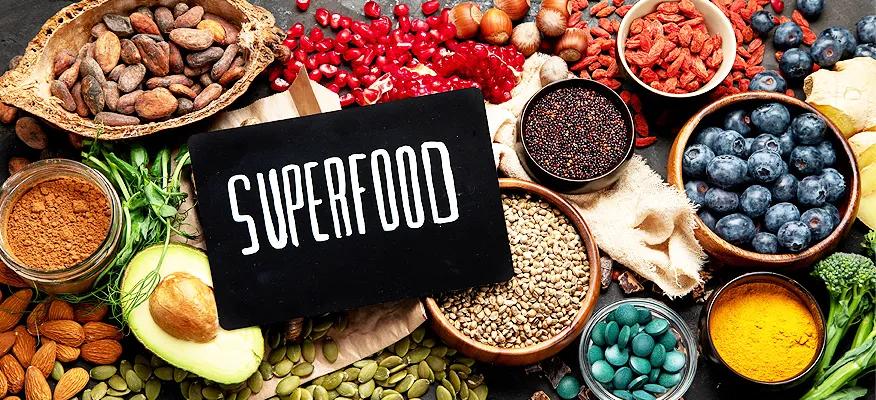
So, how can we keep these pesky sugar levels in check? Well, Mother Nature has some pretty impressive solutions up her sleeve—superfoods! Yes, these nutritional powerhouses can help control your blood sugar levels naturally.
But wait, what are superfoods? And how do they control our blood sugar levels? And which ones should we be focusing on? So many questions, right? But don't worry. We've got you.
Get ready to dive into the world of superfoods and discover how they can help maintain healthy blood sugar levels—all naturally.
Let's get started!
Understanding blood sugar levels
We often hear about the importance of maintaining healthy blood sugar levels, but what does that really mean?
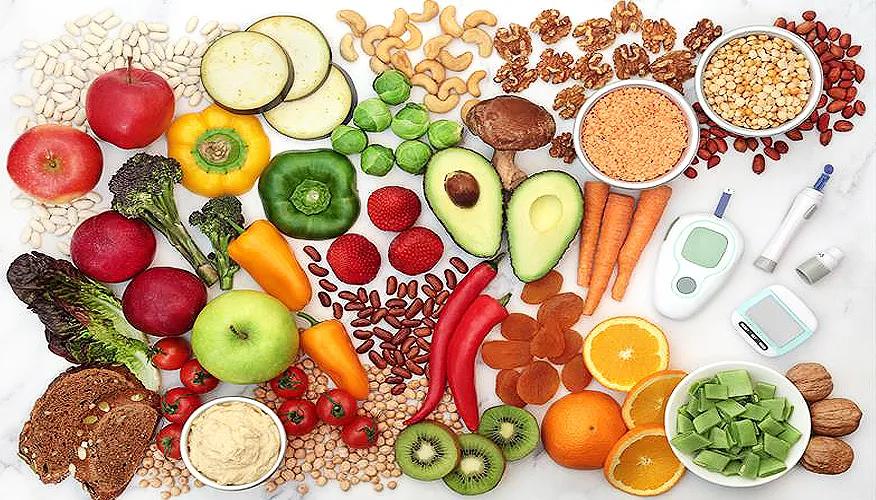
Blood sugar, also known as glucose, is the primary source of energy for your body’s cells. It comes from the food you eat and is transported to your cells via the bloodstream. The amount of glucose in the bloodstream at any given time is your blood sugar level.
However, these levels are not constant. They fluctuate throughout the day, increasing after meals and decreasing during periods of fasting or exercise. The liver plays a crucial role in controlling these fluctuations by storing excess glucose when levels are high and releasing it when they're low.
Unmanaged blood sugar can lead to serious health issues such as type 2 diabetes. This condition occurs when blood sugar levels are consistently too high because the body doesn't use insulin properly. Over time, high blood sugar levels can damage the heart, kidneys, eyes, and nerves.
What are superfoods?
You might be asking yourself, what are superfoods? Simply put, superfoods are nutrient powerhouses that pack large doses of antioxidants, polyphenols, vitamins, and minerals.
These foods are considered super because they offer a variety of health benefits. For instance, some superfoods can boost your immune system while others can improve heart health.

Role of superfoods in maintaining blood sugar balance
- Superfoods play an essential role in maintaining blood sugar balance primarily because they are typically rich in dietary fiber.
- Dietary fiber slows the absorption of sugars into your bloodstream, preventing sudden spikes in blood sugar levels.
- In addition, many superfoods are low on the glycemic index, meaning they have less immediate impact on blood sugar levels compared to foods high in sugar or certain types of carbohydrates.
- Some superfoods also contain unique compounds that can improve insulin sensitivity and promote healthier blood sugar levels.
- Plant-based superfoods offer an additional advantage. They are typically low in fat and calories but high in fiber and essential nutrients, making them a smart choice for anyone looking to maintain overall health and well-being.
Top 11 superfoods to control blood sugar levels
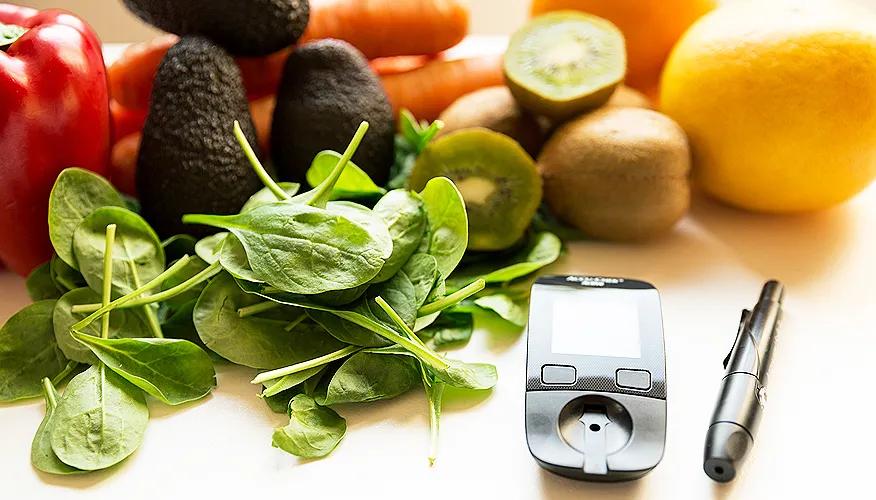
Here are some of the superfoods you can include in your diet to control your blood sugar levels:
1. Broccoli and broccoli sprouts
- Broccoli and its sprouts are known for their high sulforaphane content, a sulfur-rich compound that has been shown to reduce blood sugar levels by enhancing your body's natural antioxidant defenses and reducing inflammation.
2. Pumpkin and pumpkin seeds
- Pumpkin and pumpkin seeds are high in fiber and antioxidants, both of which play a crucial role in regulating blood sugar levels.
- Plus, pumpkin seeds are rich in magnesium, an essential mineral that assists with glucose metabolism.
3. Nuts
- Nuts such as almonds, walnuts, and others are rich in healthy fats, fiber, and magnesium—all critical components that aid in controlling blood sugar levels.
4. Okra
- Okra contains specific compounds that may help reduce sugar absorption in your body.
- This unique property helps prevent sudden spikes in blood sugar levels post-meals.
5. Chia seeds
- Chia seeds are a rich source of fiber and omega-3 fatty acids.
- These nutrients work together to prevent blood sugar spikes and enhance insulin sensitivity.
6. Beans and lentils
- Beans and lentils are packed with protein and complex carbs, which provide steady energy and help maintain stable blood sugar levels.
7. Flaxseeds
- Flaxseeds are rich in fiber and omega-3 fatty acids.
- They help regulate blood sugar levels and improve gut health.
8. Quinoa
- Quinoa is a high-protein, gluten-free grain that has a low glycemic index, meaning it won't spike your blood sugar levels as much as other grains.

9. Berries
- Berries are low in sugar and high in fiber and antioxidants, making them an excellent food for managing blood sugar levels.
10. Kale and spinach
- Kale and spinach are rich in fiber, magnesium, and antioxidants, which are known to help control blood sugar levels.
11. Oats
- Oats contain beta-glucan, a type of soluble fiber that can slow down the absorption of glucose into the bloodstream, thereby helping regulate blood sugar levels.
How to incorporate these superfoods into your diet
Including superfoods in your diet is easier than you might think. Here are some practical tips:
- You can steam or stir-fry broccoli for a healthy side dish or mix broccoli sprouts into your salads for a nutrient boost.
- Roast pumpkin makes an excellent addition to any meal. You can also sprinkle pumpkin seeds on yogurt for a crunch with health benefits.
- Enjoy raw nuts as a snack or blend them into nut butter for use in smoothies or spread on whole-grain toast.
- Add okra to your curries or soups for an extra dose of fiber and other beneficial compounds.
- You can use chia seeds in puddings or sprinkle them over oatmeal for added fiber and omega-3 fatty acids.
- Add beans or lentils to your soups, stews, or salads for an instant protein boost that will also keep your blood sugar levels steady.
- Grind flaxseeds and mix them into your smoothies, yogurt, or baked goods for a sugar-regulating effect.
- Use quinoa as a rice substitute or in salads. It's high protein content and low glycemic index help keep your blood sugar levels in check.
- Add a handful of berries to your breakfast bowls or smoothies, or enjoy them as a snack. Their low sugar content and high fiber make them an excellent choice for blood sugar control.
- Use these leafy greens in salads, blend them into smoothies, or sauté them as a side dish. They are packed with nutrients that aid in blood sugar regulation.
- Prepare overnight oats or porridge using oats. They are rich in beta-glucan, a type of fiber that slows down the absorption of glucose into the bloodstream.
Additional lifestyle tips for blood sugar control

In addition to diet, other lifestyle factors can also impact your blood sugar levels:
- Exercise: Physical activity helps lower blood sugar levels by enabling the body's cells to use more glucose for energy. Aim for at least 30 minutes of moderate-intensity exercise most days of the week.
- Stress management: When you're stressed, your body releases hormones that can raise blood sugar levels. Techniques such as deep breathing exercises and yoga can help manage stress.
- Sleep hygiene: Getting a good night's sleep is important for blood sugar control. Establish a regular sleep schedule and create a relaxing bedtime routine to ensure you get quality sleep.
Conclusion
Incorporating superfoods into your diet is a natural and effective way to control your blood sugar levels.
They are not only nutrient-dense but also delicious and versatile, making them easy to include in your meals.
Remember, while diet plays a crucial role in managing blood sugar, other lifestyle factors such as regular exercise, stress management, and good sleep hygiene are equally important.
Meet our expert

Meet our expert
Amira is a Registered Dietitian under the Allied Health Professions Act 774, holding a
Bachelor of Health Sciences (Hons) in Dietetics from Universiti Sains Malaysia (2021).
How was the experience with article?
We'd love to know!