Picture this: You’re settling down for a cozy evening, movie queued up, popcorn popped, but then comes the eternal question - what to drink? You want something comforting, nourishing and healthy, especially if you’re managing a condition like diabetes. And what could be more wholesome and familiar than a glass of milk?
But wait! Is milk good for diabetes? You may have heard conflicting information about it. So, it is natural to question the choice, but the real question here is ‘What is the best milk for diabetes?’
If this question has been on your mind, then we’re here to guide you on the milks available in the market today. From fresh cow’s milk and almond milk to evaporated milk and even coconut milk, we will help you find out which one is best for managing diabetes.
In this informative journey, we’ll put on our detective glasses to decode the nutritional content of these different milks and their impact on blood sugar levels.
So, grab your cup of tea (or should we say, a glass of milk?), sit back, and let’s explore the world of ‘milk for diabetes’ together.
What are the health benefits of drinking milk?

Milk is a nutritional powerhouse that has an array of health benefits.
Let’s take a moment to understand why milk is often considered an essential element of our diet:
- Protein: Milk is a rich source of high-quality protein, necessary for muscle repair, growth, and satiety. It also includes all nine essential amino acids that our bodies cannot produce independently but require for optimal health and function.
- Calcium: This mineral plays a pivotal role in maintaining strong bones, preventing osteoporosis, and ensuring the healthy functioning of our heart, muscles, and nerves.
- Vitamin D: Often fortified in milk, Vitamin D is beneficial in promoting bone health by enhancing calcium absorption.
- Other Vitamins and Minerals: Milk also contains other vital nutrients like vitamins A and B12, iodine, magnesium, potassium, and zinc, which help regulate many bodily functions.
Is milk good for diabetes?
The answer to ‘Is milk good for diabetes?’ isn’t straightforward as milk contains lactose—a type of sugar that contributes to its carbohydrate content.
While one serving (1 cup) of milk offers around 12 grams of carbohydrates, it’s essential to recognize that these are part of your total daily carbohydrate intake. Consuming excess carbohydrates can lead to high blood sugar levels, so moderation is key. That means, if you are consuming one cup of milk daily, you will have cut down your carb intake from other food sources.
On the positive side, calcium-rich milk supports healthy bones — an important aspect considering people with diabetes may face higher risks of bone fractures.

Milk and type 2 diabetes
Adults
- The relationship between milk and type 2 diabetes in adults is quite interesting. Some research suggests that moderate consumption of dairy products may actually help reduce the risk of developing type 2 diabetes.
- More specifically, a study conducted in 2011 discovered that postmenopausal women who consumed fewer full-fat dairy products had a lesser risk of developing type 2 diabetes.
Children
- As for children, consuming dairy products during adolescence seems to be linked to a reduced risk of type 2 diabetes in adulthood.
- Experts believe this could be possibly due to lower intakes of sugar-sweetened beverages and unhealthy fats that often replace milk in regular diets.
Tips for choosing diabetes-friendly milk
When it comes to choosing the best milk for diabetes, here are some tips that may guide your selection:
- Read labels: Steer clear from milk with added sugars and high carbohydrate content.
- Consider fat content: Low-fat or skimmed milk might be beneficial. However, full-fat versions can slow sugar absorption into the bloodstream, which can assist in managing blood sugar levels.
- Monitor blood sugar: Keep tabs on your blood glucose levels when you introduce new types of milk into your diet.
- Nutrient fortification: While choosing milk options, ensure they are fortified with essential nutrients like calcium and vitamin D.
Best plant-based milk alternatives for diabetics

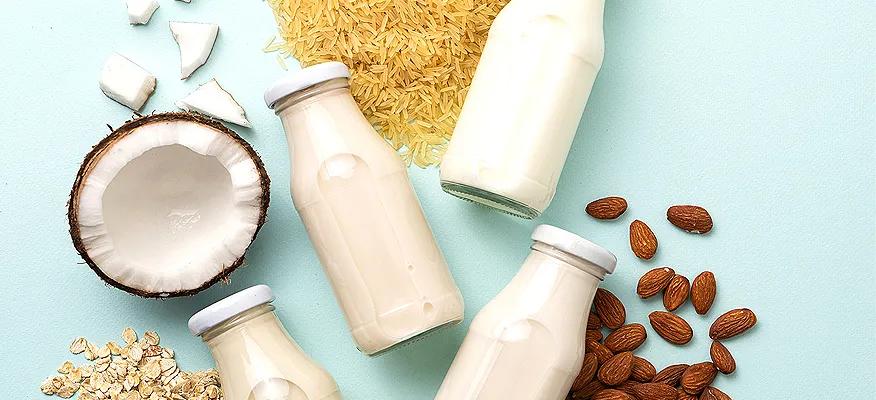
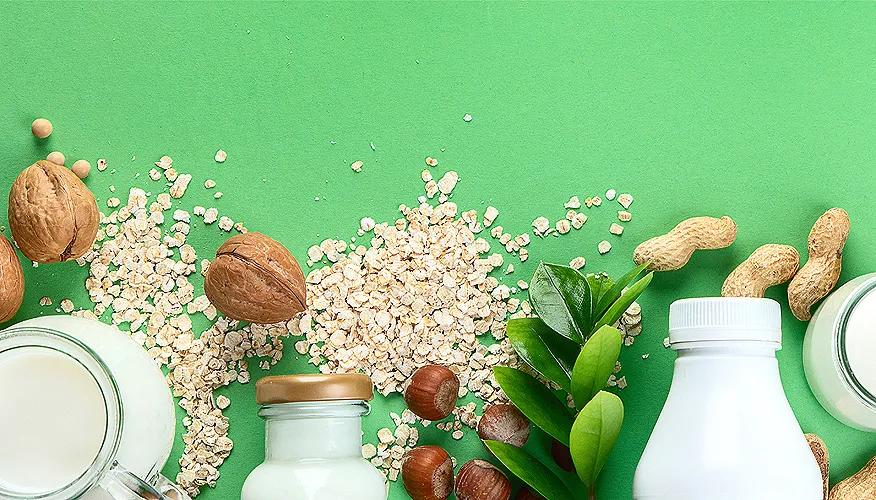
Plant-based milk alternatives for diabetes can be an excellent choice for those with lactose intolerance or who follow vegan diets. Some plant-based options to consider include:
- Oat milk: While oat milk is high in carbohydrates (around 20 grams per cup), its rich nutrient profile makes it worth considering. However, intake should be limited and blood sugar levels monitored carefully.
- Almond milk: Unsweetened almond milk is a wonderful low-carb alternative for diabetics.
- Soy milk: Soy milk has moderate carbohydrate content but is packed with essential nutrients. A cup of soy milk contains about 4 grams of carbohydrates.
- Coconut milk: Unsweetened coconut milk is low in carbs but high in saturated fats. It's a good choice but should be used judiciously.
- Rice milk: Rice milk's carbohydrate content can vary. It's best to look for options that are fortified with calcium and other nutrients.
- Hemp milk: Unsweetened hemp milk is a good alternative with little carbohydrate content.
- Cashew milk: Like almond milk, unsweetened cashew milk also has low carbohydrate levels and could be an excellent choice for diabetics.
- Flax milk: Flax milk is one of the best options for those strictly monitoring their carb intake as it contains nearly zero carbohydrates.
Risks of milk for people with diabetes
While there are benefits of incorporating certain types of milk into a diabetic diet, there are also risks to consider:
- Blood sugar spikes: Milk options high in carbohydrates can cause rapid increases in blood sugar levels.
- Added sugars: Flavored or sweetened milk varieties often contain added sugars, which can have a significant impact on blood sugar control.
What types of milk to avoid or limit?
When it comes to milk for diabetic patients, some types are best avoided or at least limited:
- Flavored milks: Varieties like chocolate or strawberry milk are typically high in added sugars and carbohydrates.
- High-carb plant-based milks: Some plant-based milks, especially if sweetened, can be high in carbohydrates and should be consumed in moderation.
What to consider when choosing milk for diabetics
Here’s what you need to consider when thinking about what milk is good for diabetics:
- Nutritional content: Aim for low-carbohydrate, low-fat options without added sugars.
- Personal preferences: Milk should fit within your daily carbohydrate and calorie goals.
- Labels: Always check the nutritional content, especially focusing on carbohydrate and sugar levels.

Tips for incorporating milk into a diabetic diet
Including milk in a diabetic diet doesn’t have to be tricky. Here are some tips to guide you:
- Measure your serving size: Accurately measure your serving size of milk to ensure you’re not unintentionally consuming extra carbohydrates.
- Choose low-carb varieties: Choose low-carb varieties of milk like almond or flax milk that won't spike your blood sugar levels.
- Combine with protein and fat: Pairing milk with protein and fat sources like nuts or seeds can help slow down the absorption of sugar and avoid sudden spikes in blood glucose levels.
Meal plans with milk
Including milk in your meals can be done creatively. Here are some examples:
- Breakfast: Have a bowl of oatmeal made with unsweetened almond milk, topped with a variety of nuts and seeds.
- Smoothie: Blend unsweetened soy milk with spinach, ripe avocado, and a scoop of protein powder for a nourishing smoothie.
Conclusion
Incorporating the right type of milk into your diabetic diet doesn’t have to be complicated. There are a plethora of options available when it comes to plant-based milk options for diabetics. It's not just about finding the best milk for diabetes, but also understanding how different types of milk can affect your individual health and blood sugar levels.
It’s always best to check in with a doctor or dietitian to help guide your choices and personalize your dietary plans. The journey to diabetes management is personal, and every step you take towards understanding your body's needs brings you closer to achieving your health goals.
Meet our expert

Meet our expert
A Doctor of Medicine (MD) in Pharmacology., currently based in Mumbai, India, Dr Pramod Mane, comes with an experience of more than 20 years of working in Medical Affairs in the Pharmaceuticals & Nutraceutical Industry. Director of Medical Services at Mega Lifesciences since 2008, Dr Mane has been associated with several MNCs in the areas of Medical Affairs, Medical Services, Medico-marketing, Pharmacovigilance & Clinical trials in his illustrious career.



How was the experience with article?
We'd love to know!