
If you have ever sat back after a meal and felt your waistband tighten while your stomach slowly pushes outward, you already know how frustrating bloating feels. A bloated stomach can make you feel heavy, sluggish, and uncomfortable, even after eating a normal meal.
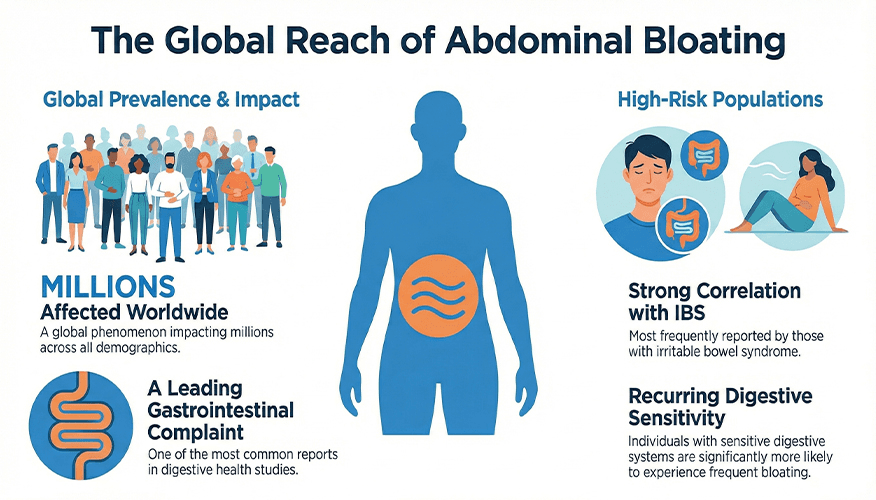
Across the world, abdominal bloating affects millions, and not in some vague, occasional way. Digestive research shows that bloating is one of the most commonly reported gastrointestinal complaints, especially if you live with irritable bowel syndrome or recurring digestive sensitivity.
What you drink, interestingly, plays a much bigger role than you are usually told. While food gets most of the blame, drinks for bloated stomach interact directly with gut motility, gas movement, and even your microbiome.
Choosing the right drinks for bloated stomach can help support digestion, relax intestinal muscles, improve gut movement, and reduce trapped gas. Certain herbal teas, probiotic drinks, and natural beverages are known to ease digestive discomfort and help your stomach feel lighter.
In this guide, you will discover the top 15 drinks for a bloated stomach, how they work to reduce bloating, which drinks to avoid, and simple tips to improve digestive comfort naturally.
What is a bloated stomach?
When you say you feel bloated, you are usually describing a sensation rather than something that can be measured with a tape. According to the Rome IV diagnostic criteria, bloating is defined as a recurrent feeling of abdominal fullness or pressure that shows up more than a quarter of the time over several months.
In practice, that means you can feel painfully full even if your stomach has not visibly expanded.
For many of you, this sensation shows up alongside IBS. Large clinical surveys suggest that around three quarters of people with IBS report bloating as one of their most disruptive symptoms.
Inside your body, several things tend to overlap. Your gut nerves become extra sensitive, so normal amounts of gas feel intense. At the same time, gas does not move efficiently through the intestines.
Add bacterial fermentation from poorly absorbed carbohydrates, and pressure builds further. Hormonal fluctuations also explain why bloating shows up more often and more intensely if you are female.
How drinks help reduce bloating
Once you understand that bloating is not just “too much gas,” the role of drinks starts to make sense.
1. Improve digestion
Some drinks stimulate digestive enzymes and stomach acids that help break down food more effectively. When digestion improves, food does not sit in the stomach for too long, which lowers the chance of gas buildup and bloating.
2. Relax digestive muscles
Herbal drinks such as peppermint, chamomile, and ginger tea contain natural compounds that help relax the muscles of the digestive tract. This relaxation can reduce cramps and allow gas to pass more easily.
3. Reduce gas formation
Certain ingredients in herbal drinks have carminative properties. Carminatives help prevent excess gas from forming and help release gas that is already trapped in the intestines.
4. Support gut motility
Warm drinks can gently stimulate the movement of the digestive tract. This process, known as gut motility, helps food and gas move through the system more efficiently and reduces the feeling of fullness.
5. Reduce inflammation and gut sensitivity
Some drinks contain anti-inflammatory compounds that soothe the stomach lining and reduce irritation. When the digestive tract is calmer, it becomes less sensitive to normal stretching from food and liquids.
6. Improve hydration and prevent constipation
Proper hydration helps maintain healthy bowel movements. When the body is well hydrated, stool moves more easily through the intestines, reducing constipation-related bloating.
In short: The right drinks can help digestion, relax gut muscles, reduce gas buildup, and support normal bowel movements—all of which help relieve bloating naturally.
7. Support gut microbiome balance
Some drinks, especially probiotic beverages like kefir and kombucha, help improve the balance of beneficial bacteria in the gut. A healthier gut microbiome can reduce fermentation, gas production, and digestive discomfort over time.
15 best drinks for a bloated stomach
Across randomized controlled trials and systematic reviews, a few drinks for bloating consistently rise to the top.
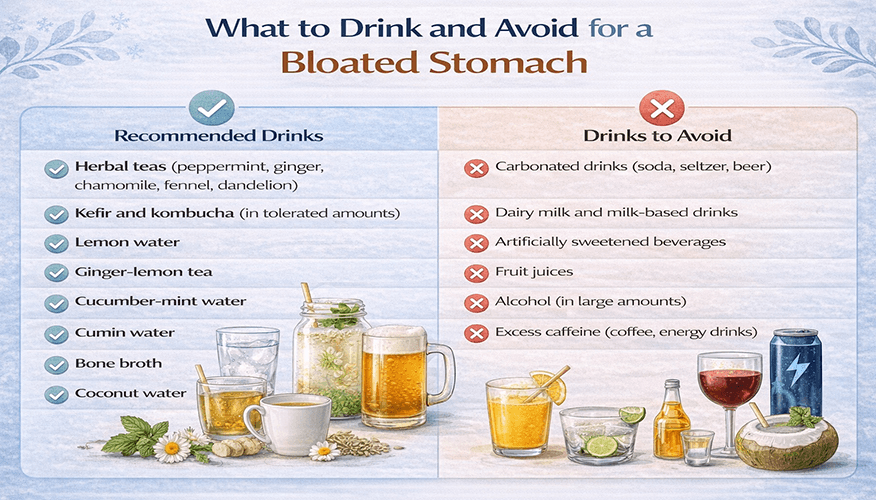
- Peppermint tea leads the pack, with close to half, and sometimes up to two thirds, of participants in surveys reporting meaningful relief when they drink it daily. When you sip peppermint tea warm, usually two or three times a day, you allow the menthol to relax intestinal spasms and release trapped gas.
- Studies on gastric emptying show that ginger speeds digestion and reduces visceral sensitivity, especially if bloating comes with nausea or heaviness. Many of you notice that a simple cup of ginger tea after meals keeps that tight, stuck feeling from settling in.
- Fennel tea has equally strong backing. Trials report a reduction in bloating severity by more than half, particularly when consumed after meals. The anethole in fennel works as both a gas-reliever and a gentle motility enhancer, which is why you often feel relief within an hour.
- Chamomile and anise teas come next. They do not just calm your mind. Their antispasmodic effects soothe the gut wall, which helps if bloating shows up with cramping. Cumin water, though less popular, delivers surprisingly strong results. In one controlled study, nearly all participants with IBS reported resolution of bloating after consistent use.
- Probiotic drinks deserve their own mention. Kefir, when taken plain and unsweetened, reduces bloating by roughly a third to half over several weeks by shifting microbial balance. Lemon water, while lighter on clinical trials, supports digestion through hydration and bile stimulation, especially if constipation contributes to your bloating.
- Green tea, kombucha in small amounts, cucumber-mint water, dandelion tea, coconut water, bone broth, and ginger-lemon tea round out the list. Each supports digestion through hydration, inflammation control, or fluid balance. When you rotate a few of these instead of relying on one, your gut tends to respond more steadily.
Here is a quick view of the list:
- Peppermint tea: Relaxes intestinal spasms and releases gas.
- Ginger tea: Speeds digestion and reduces heaviness.
- Fennel tea: Strong gas-relieving and motility support.
- Chamomile tea: Calms gut spasms linked to cramping.
- Anise tea: Eases fullness and digestive tension.
- Cumin water: Improves gut movement and reduces gas.
- Kefir: Balances gut bacteria and lowers fermentation.
- Lemon water: Stimulates digestion and eases constipation bloating.
- Green tea: Supports mild gut motility.
- Kombucha: Provides probiotics in small, tolerated amounts.
- Cucumber-mint water: Helps fluid balance and mild bloating.
- Dandelion tea: Reduces water retention–related bloating.
- Coconut water: Hydrates and supports bowel regularity.
- Bone broth: Soothes the gut lining.
- Ginger-lemon tea: Combines motility support with digestion aid.
Drinks to avoid when you’re bloated
While certain debloating drinks help, others almost guarantee discomfort. Carbonated beverages introduce gas directly into your stomach, and studies show that most IBS patients feel worse after drinking them. Sugary juices for bloated stomach feed fermenting bacteria, which increases pressure. Alcohol slows digestion and promotes fluid retention, making bloating linger longer.
Strong coffee irritates sensitive digestive linings for many of you, even if you love the ritual. Milkshakes and other lactose-heavy drinks ferment if your body does not break lactose down efficiently, which is far more common than most realize. In clinical comparisons, these drinks double bloating risk compared to herbal teas.
When should you drink these beverages?
Timing matters more than most advice suggests. When you drink herbal teas about twenty minutes after meals, you support digestion as food moves into the intestines. Ginger or lemon-based drinks work best earlier in the day, when your gut motility naturally ramps up. Probiotic drinks like kefir tend to colonize better when taken on an empty stomach.
Warm liquids relax digestive muscle more effectively than cold ones, so slow sipping helps. Diuretic teas such as dandelion work best earlier in the day as well, unless nighttime bathroom trips appeal to you. Across trials, consistent use for about a month delivers the most noticeable relief, often cutting symptoms nearly in half.
Conclusion
Bloating can feel isolating, but it is rarely random. When you pay attention to what you drink, you give your gut real tools to calm down, move better, and feel lighter again. These anti bloating drinks work because they support how digestion actually functions inside you.
Start simple with drinks to stop bloating. Pick one or two that feel good, use them consistently, and notice how your body responds. Small, steady changes often bring the biggest relief.
Meet our expert

Meet our expert
Diyanah is a passionate registered dietitian with a Bachelor of Dietetics from the International Islamic University Malaysia (IIUM) and extensive experience in healthcare.



How was the experience with article?
We'd love to know!