
The female reproductive system is at the heart of what it means to be a woman—intricately designed, beautifully complex, and quietly powerful.
But have you ever paused to think about how incredible the female reproductive system really is? It’s so much more than just anatomy—it’s the core of so many experiences we go through as women.
From the first time we got our periods to the ups and downs of planning a family or even dealing with the changes of menopause, our reproductive system quietly works in the background, shaping our lives in ways we often take for granted.
Yet, how much do we really know about it? How often do we listen to what our bodies are telling us?
Understanding how this system works isn’t just about biology—it’s about connecting with ourselves, recognizing the signs when something’s off, and knowing how to care for this vital part of our health.
This guide explores the anatomy, functions, and unique aspects of the female reproductive system.
Why understanding the female reproductive system matters
Many factors influence women’s reproductive health, from lifestyle and genetics to diet and exercise.
By understanding your body’s natural processes, you are better equipped to maintain health, manage reproductive challenges, and recognize changes that may require medical attention.
Key components of the female reproductive system
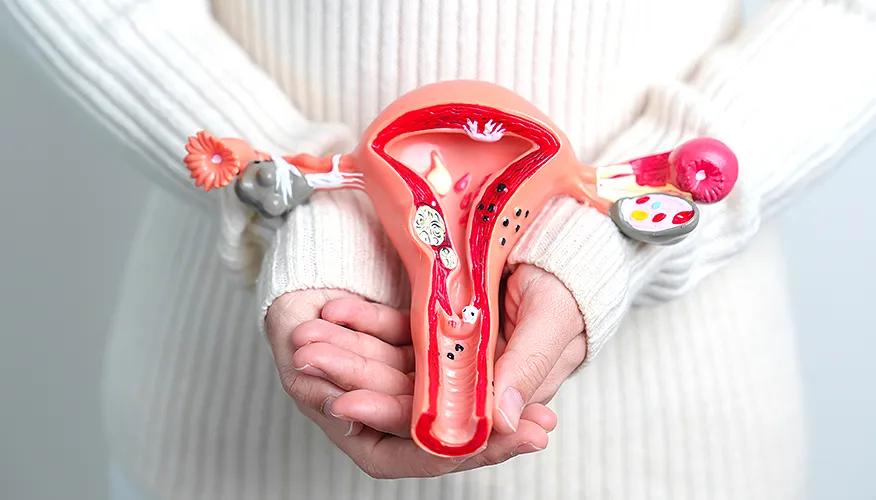
1.External reproductive organs
- The labia majora and minora may look simple, but they act as bodyguards, shielding the internal organs from bacteria and keeping things in balance.
- The clitoris may be small, but the clitoris is packed with nerve endings and designed for pleasure. It is a powerful part of your reproductive system!
- The vaginal opening is where menstruation, childbirth, and intercourse all meet. It is a passage with many purposes, from releasing menstrual blood to delivering a baby.
2. Internal reproductive organs
1. Ovaries
- The ovaries, located on either side of the uterus, are responsible for producing eggs (ova) and releasing them during each menstrual cycle.
- They also produce estrogen and progesterone, essential hormones that regulate menstruation, pregnancy, and menopause.
- Did you know?: Each ovary contains about a million eggs at birth, but by puberty, only about 300,000 remain, and fewer than 500 will mature over a lifetime.
2. Fallopian tubes
- The fallopian tubes are the pathways for eggs to travel from the ovaries to the uterus. Fertilization usually occurs within the fallopian tube, where a mature egg meets a sperm.
- Did you know?: Blockages in the fallopian tubes can impact fertility, which is why they are checked during fertility assessments.
3. Uterus
- Known as the womb, the uterus is a muscular organ where a fertilized egg implants and develops during pregnancy. If pregnancy does not occur, the uterine lining sheds during menstruation.
- Did you know?: The uterus expands significantly during pregnancy to accommodate a growing baby, shrinking back after childbirth.
4. Cervix
- The cervix is the lower, narrow part of the uterus that opens into the vagina. During childbirth, it expands to allow for delivery, and during menstruation, it allows menstrual blood to flow.
- Did you know?: Regular Pap smears are important to monitor cervical health and screen for potential issues like cervical cancer.
5. Vagina
- The vagina connects the cervix to the outside of the body and serves as the passageway for menstruation, intercourse, and childbirth. It has a natural pH balance that helps prevent infections.
Did you know? The vagina has a self-cleaning mechanism, and using pH-balanced cleansers can help maintain its natural environment.
The menstrual cycle and hormonal phases
The menstrual cycle typically lasts between 21-35 days and involves several stages:
- Menstrual phase: Your period marks the beginning of the cycle, where the body sheds the old uterine lining to start fresh.
- Follicular phase: As your period ends, the ovaries start maturing eggs, and the uterus thickens its lining, just in case one of those eggs gets fertilized.
- Ovulation phase: Midway through the cycle, a mature egg is released. If sperm is nearby, this is when fertilization happens.
- Luteal phase: The uterine lining continues to thicken in preparation for a fertilized egg; if fertilization does not occur, the cycle resets with menstruation.
Understanding each phase is essential for reproductive health, whether you are managing fertility, planning pregnancy, or aiming to relieve premenstrual symptoms.
Hormones: Role in the reproductive system
The menstrual cycle and much of the reproductive system’s work depend on hormones. These chemical messengers control everything from your mood to the release of eggs.
Meet the key players:
- Estrogen: Estrogen helps develop female characteristics, maintains the reproductive system, and keeps things running smoothly.
- Progesterone: After ovulation, progesterone prepares the uterus for a possible pregnancy. If no pregnancy occurs, it’s responsible for kickstarting your period.
- FSH and LH: Follicle-stimulating hormone (FSH) helps eggs mature, while luteinizing hormone (LH) triggers ovulation.
Puberty and menopause: The bookends of reproductive life?
Your reproductive system changes throughout your life, starting with puberty and ending with menopause.
Here is what to expect during these life stages:
Puberty: Between the ages of 8 and 13, your body starts producing more hormones, triggering menstruation and other changes. This is the start of your reproductive years.
Menopause: Between ages 45 and 55, the ovaries stop releasing eggs, and your periods come to an end. Hormones shift, marking the end of the reproductive years.
Common reproductive health concerns

1.Polycystic Ovary Syndrome (PCOS)
- PCOS is a common hormonal disorder that can cause irregular periods, excessive hair growth, and fertility challenges.
- It is important to diagnose and manage PCOS early to avoid long-term health complications.
2.Endometriosis
- Endometriosis is a condition where tissue similar to the uterine lining grows outside the uterus, leading to pain and heavy periods.
- Treatment options vary but can include pain management, hormonal therapies, and surgery.
3.Uterine Fibroids
- Fibroids are benign growths in the uterus that can cause heavy periods, pain, and sometimes fertility issues.
- Regular gynecological exams are important for monitoring fibroid growth and deciding on treatment if necessary.
This knowledge of the female reproductive system allows women to make informed choices and take charge of their reproductive health. Awareness, regular checkups, and proactive health practices go a long way in ensuring overall wellness and comfort.
Conclusion
The female reproductive system is more than just biology—it’s a testament to the resilience and wonder of a woman’s body. By understanding how it works, we empower ourselves to care for it, listen to it, and nurture it through every phase of life.
Whether it’s the challenges of adolescence, the joys and struggles of motherhood, or the transformations of menopause, your reproductive system is a constant companion on your journey. It deserves your attention, respect, and care.
As you reflect on what you’ve learned, remember that knowledge is power. By staying curious and informed, you’re not just understanding your body—you’re honoring it. Because every woman deserves to feel connected to the incredible system that makes her uniquely her.
Meet our expert

Meet our expert
Dr. Iunis Galina Ivanovna is a Neurologist from Ukraine. She graduated from the Luhansk State Medical University in 1998, and has been in the medical profession since then. In the course of her career as a neurologist, Dr. Ivanovna has gathered extensive experience and expertise having handled a wide variety of cases.

How was the experience with article?
We'd love to know!