
When it comes to intimate health, many women don’t realize the impact that product ingredients can have on their sensitive areas.
From washes and wipes to deodorants and douches, various intimate care products can contain chemicals that irritate, disrupt pH levels, and even increase infection risk.
This guide explores why it is essential to choose products with gentle ingredients, how to spot harmful chemicals, and the best practices for maintaining intimate hygiene safely.
Understanding chemical sensitivity in intimate care

The skin in the intimate area is delicate and highly absorbent, meaning any products applied there are quickly absorbed into the body.
Many commercial products contain synthetic fragrances, dyes, and preservatives, which can cause irritation, dryness, and pH imbalances.
These issues may lead to discomfort, inflammation, or even infections if products with harsh chemicals are used regularly.
Common Harsh Chemicals to Avoid in Intimate Products
1. Synthetic Fragrances and Parabens
- Fragrances in products are often a combination of multiple chemicals, some of which can be irritants. Parabens, commonly used as preservatives, are also known to disrupt hormone balance.
- Why avoid them: Synthetic fragrances and parabens can trigger irritation, disrupt natural pH, and may even lead to allergic reactions.
- Tip: Look for “fragrance-free” or products labeled with natural, plant-based fragrances.
2. Phthalates for Product Consistency
- Phthalates help retain fragrances in products and are often used for texture. However, they are linked to hormone disruption and reproductive health issues.
- Why avoid them: Phthalates may impact hormone balance, which is especially concerning for intimate health.
- Tip: Choose products that are labeled “phthalate-free.”
3. Sulfates for Lathering
- Sulfates like SLS (sodium lauryl sulfate) create a foamy texture but can strip away natural oils and disrupt the moisture balance of the intimate area.
- Why avoid them: Sulfates can lead to dryness, irritation, and make the area more prone to infections.
- Tip: Use gentle, sulfate-free cleansers that respect the skin’s natural moisture levels.
4. Alcohol for Quick-Drying Products
- Alcohol is commonly used in products to create a quick-drying effect, especially in intimate wipes and deodorants. However, it can be too drying for sensitive skin.
- Why avoid it: Alcohol strips away natural moisture, potentially causing dryness and discomfort.
- Tip: Opt for alcohol-free products for regular use, especially wipes and washes.
5. Artificial Dyes for Appearance
- Some manufacturers add dyes to make products visually appealing, but these artificial colors can cause irritation.
- Why avoid them: Artificial dyes add no value and can cause unnecessary irritation.
- Tip: Stick to color-free products for intimate areas.
Ingredients to look for in gentle, safe intimate products
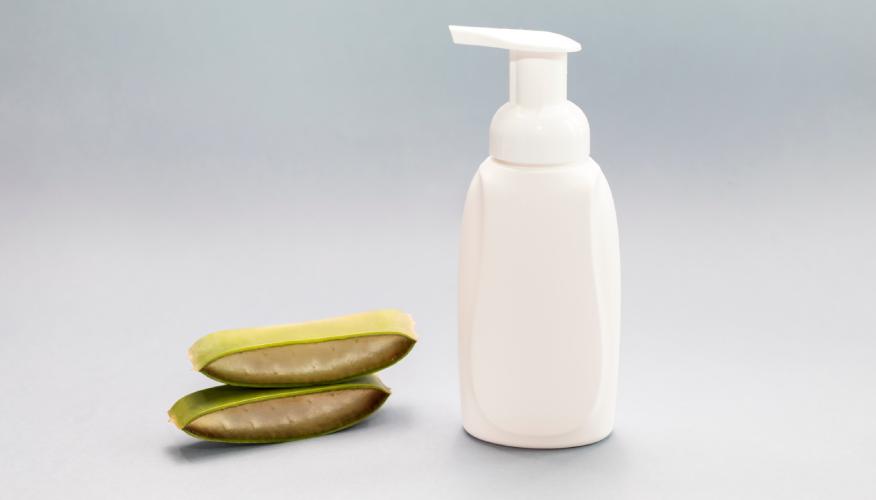
If you are looking to switch to safe and gentle intimate products, consider those with natural, soothing ingredients:
- Aloe vera: Known for its soothing and moisturizing properties, aloe vera is safe for sensitive skin.
- Coconut oil: Often used for its natural antibacterial and hydrating properties.
- Chamomile extract: Has anti-inflammatory effects, making it suitable for sensitive areas.
- Calendula: Known for its healing properties, calendula can soothe irritation.
- Vitamin E: An antioxidant that helps protect and nourish the skin.
How to choose intimate products wisely?
- Read labels carefully: Look for products with minimal ingredients and avoid those with long lists of chemicals.
- Avoid multi-use products: Products marketed for multiple uses (such as all-over body washes) may not be pH-balanced for intimate areas.
- Patch test new products: When trying new products, do a patch test to check for any potential allergic reaction or irritation.
DIY alternatives for a chemical-free routine
Many women are now turning to natural, DIY options for intimate care that are free of harsh chemicals.
Here are a few safe and gentle alternatives:
- Gentle cleansing solution: Mix a small amount of pure, unscented castile soap with water for a safe, homemade cleanser.
- Coconut oil moisturizer: Apply a tiny amount of coconut oil as a natural moisturizer, but ensure it is 100% pure and organic.
- Aloe vera gel: Use natural aloe vera gel for soothing and hydration; it is gentle and provides moisture without altering pH.
Potential risks of using chemical-laden intimate products

Using products with harsh chemicals can lead to various issues over time:
- Infections: Harsh chemicals can disrupt the balance of bacteria in the intimate area, leading to infections.
- Hormonal disruption: Ingredients like parabens and phthalates can interfere with hormone levels.
- Increased sensitivity: Frequent use of such products can make the skin more sensitive and prone to irritation.
Conclusion
Opting for gentle, natural products can go a long way in ensuring intimate comfort and safety.
By understanding which chemicals to avoid and prioritizing safe ingredients, you can take proactive steps toward a healthier, balanced intimate care routine.
Meet our expert

Meet our expert
Dr. Pulyk Nataliya Omelanivna is an Internal Medical Expert who is based out of Ukraine. With a special interest in internal medicine Dr Pulyk graduated from the Ternopil National Medical Academy in Ukraine, in the year 2001. Between the years 2002-2009, Dr Pulyk worked as an emergency physician. Her years of work as an emergency physician gave her immense exposure to a range of patients and an opportunity to learn on the job, and gather extensive experience.



How was the experience with article?
We'd love to know!