
Stress—it's something we all face, often silently, as we navigate the challenges of daily life. But have you ever considered how stress affects more than just your mood or energy? It reaches deep, touching aspects of our health that we might not immediately connect to it, including our intimate health.
When stress takes hold, it can disrupt the delicate balance of hormones and the body’s natural defenses, leading to discomfort, irritation, or even infections. For many women, these effects can feel confusing or isolating, adding another layer of stress to an already difficult time.
Understanding the impact of stress on intimate health isn’t just about recognizing the problem—it’s about reclaiming control, learning how to manage stress effectively, and protecting your overall well-being.
Let’s explore the impact of stress on intimate health and what you can do to nurture yourself, even in life’s most demanding moments.
Why does stress affect intimate health?
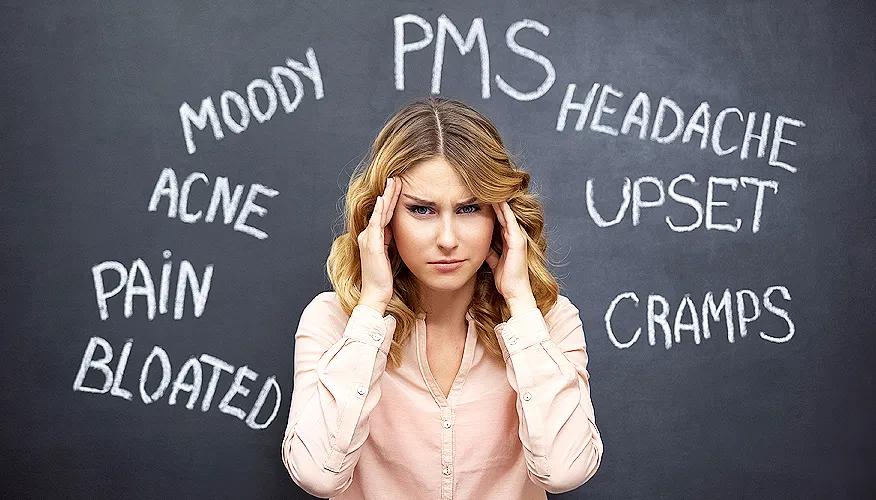
The body’s stress response, commonly known as the “fight-or-flight” response, affects every system, including the reproductive system.
When we experience stress, the body releases cortisol and adrenaline, hormones that prepare us for immediate physical action.
While this response is useful in urgent situations, chronic stress keeps these hormones elevated, leading to a chain reaction of changes in the body, including hormonal imbalances, reduced immunity, and impaired vaginal health.isn’t just about recognizing the problem—it’s about reclaiming control, learning how to manage stress effectively, and protecting your overall well-being.
How stress impacts intimate health
The body’s stress response, commonly known as the “fight-or-flight” response, affects every system, including the reproductive system.
- Chronic stress interferes with the release of reproductive hormones like estrogen and progesterone.
- This disruption can lead to menstrual irregularities, missed periods, or painful menstruation.
- Women experiencing long-term stress may also notice changes in their menstrual flow or cycle length.
Does stress affect intimate health?
1. Hormonal imbalance and menstrual irregularities
- Prolonged stress weakens the immune system, making it easier for harmful bacteria to disrupt vaginal flora.
- This imbalance can increase the risk of infections, such as bacterial vaginosis or yeast infections.
- This disruption can lead to menstrual irregularities, missed periods, or painful menstruation.
- Women experiencing long-term stress may also notice changes in their menstrual flow or cycle length.
Did you know? Mindfulness practices like meditation and yoga can help reduce cortisol levels and may aid in achieving hormonal balance.
- Stress can diminish sex drive by lowering libido, and it can also lead to vaginal dryness, making intimacy uncomfortable.
- This happens because the body diverts resources away from reproductive functions during times of stress.
2. Weakened immune system
- Prolonged stress weakens the immune system, making it easier for harmful bacteria to disrupt vaginal flora.
- This imbalance can increase the risk of infections, such as bacterial vaginosis or yeast infections.
- Stress may contribute to a rise in vaginal infections by disrupting pH balance and the body's defense mechanisms.
- Frequent stress lowers immune efficiency, leaving women more susceptible to infections.
Did you know? The vagina has a natural microbiome that acts as a protective barrier. When stress disrupts this balance, it opens the door to unwanted bacteria.
Managing stress for better intimate health

Here are some useful strategies for managing stress and improving intimate health:
1.Self-care
- This includes setting aside time each day for relaxation, practicing hobbies, or spending time with loved ones.
- Poor sleep can elevate cortisol levels, leading to more stress.
- Establishing a bedtime routine and practicing relaxation techniques, such as deep breathing or progressive muscle relaxation, can improve sleep and reduce stress.
- Even short breaks to do something enjoyable or calming can reduce stress levels.
- Self-care routines are essential for managing stress and improving intimate health.
- This includes setting aside time each day for relaxation, practicing hobbies, or spending time with loved ones.
Did you know? Engaging in stress-relieving activities, maintaining hydration, and using pH-balanced lubricants can help alleviate symptoms of vaginal dryness.
2. Regular exercise
- Physical activity is one of the best natural ways to manage stress, as it boosts endorphins and helps reduce cortisol.
- Exercise also supports circulation and overall reproductive health.
Useful tip: Exercise doesn’t have to be intense; simple activities like walking or stretching can have significant stress-relief benefits.
3. Nutritional support
- A balanced diet can play a significant role in managing stress.
- Consuming foods rich in antioxidants, magnesium, and B vitamins can help regulate mood and support hormonal balance. Exercise doesn’t have to be intense; simple activities like walking or stretching can have significant stress-relief benefits.
Useful tip: Include whole grains, leafy greens, nuts, and lean proteins in your diet for optimal nutritional support.
Conclusion
Recognizing the impact of stress on intimate health is a powerful step toward better self-care and overall well-being.
Life can be overwhelming at times, and while we can’t always control the stressors that come our way, we do have control over how we manage them.
By making stress reduction a priority—through mindfulness, exercise, healthy habits, or simply taking time for yourself—you can help protect your intimate health and maintain balance in your life.
You deserve to feel healthy, strong, and at peace, and caring for your intimate health is an essential part of that journey. Take a moment to breathe, to listen to what your body is telling you, and to honor the ways in which you can find calm and healing amidst life’s chaos. You’ve got this!
Useful tip: Aim for 7-8 hours of restful sleep and consider adding calming practices before bed to support a good night's rest.
Meet our expert

Meet our expert
Dr. Burtseva Tamara Viktorivna is a pediatrician by profession based out of Ukraine. In 2004, Dr. Viktorivna graduated from Ukraine's Donetsk Medical University where she specialised in pediatric studies. She then gathered extensive experience on ground until 2011 at city polyclinic No. 1 in Donetsk, where she worked as a pediatrician handling a variety of cases.


How was the experience with article?
We'd love to know!