
When it comes to caring for our intimate health, many of us turn to washes and cleansers, believing they’ll offer an extra layer of cleanliness and comfort. But it’s important to remember that the vaginal area is incredibly delicate, and what you choose to use can either support or disrupt its natural balance. The goal isn’t to over-cleanse but to maintain a healthy, balanced environment where your body can do its job naturally.
With a variety of products marketed for “freshness” and “cleanliness,” it is important to know how to use these products safely and effectively to support, not disrupt, natural health. Intimate washes and cleansers can be useful for specific times, like during menstruation or after workouts, but it’s essential to choose carefully and understand how to incorporate them safely into your routine.
In this guide, we’ll explore how to safely incorporate intimate washes into your routine, the ingredients to look for (and avoid), and why it’s essential to be mindful of the products you use on this sensitive part of your body. After all, when it comes to intimate hygiene, simplicity and care are the best practices.
Why consider using intimate washes and cleansers
The body has a remarkable way of caring for itself, but external factors like sweat, menstrual flow, and certain fabrics can create discomfort.
This is where gentle cleansers can come in handy. Intimate washes can help remove impurities without disrupting your pH balance or causing irritation.
But remember, using a wash is a choice, not a necessity, as many women feel fresh with just water.
Choosing the right product: What to look for?
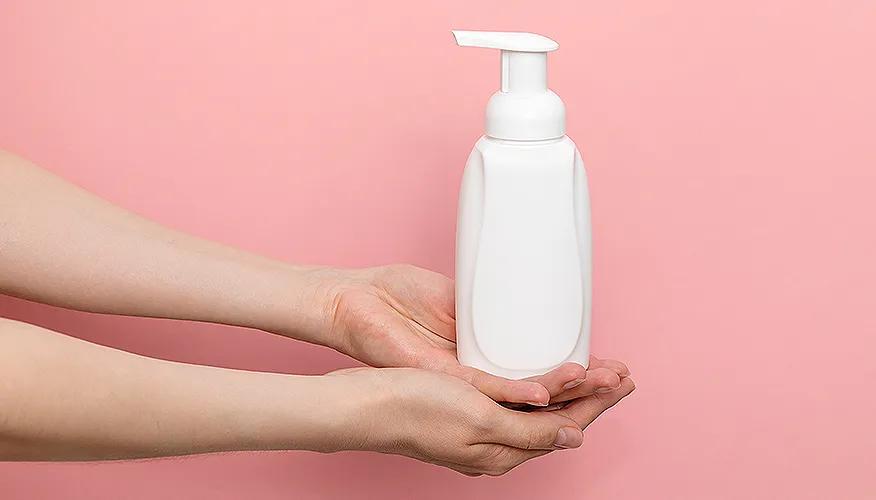
1. pH-balanced formulas
- A healthy vaginal pH ranges from 3.8 to 4.5, which supports natural bacteria that protect against infections.
- Many soaps and cleansers are alkaline, which can disrupt this balance.
- When choosing a product, look for those specifically labeled as “pH-balanced,” as they are formulated to align with your body’s natural acidity.
2. Fragrance-free for fewer irritants
- Fragrances may sound appealing, but they can be irritating, especially for sensitive skin.
- Scented products often contain chemicals that could cause allergies or dryness, which can disrupt the natural balance.
- Choose fragrance-free options to reduce the risk of irritation and maintain comfort.
3. Ingredients matter
- Some common cleanser ingredients, such as sulfates, alcohol, and parabens, are best avoided in intimate products.
- These substances may dry out the skin, leading to irritation and even imbalances in your natural bacteria.
- Instead, opt for products with calming ingredients like aloe vera or chamomile, which are gentle on delicate skin and can provide soothing effects.
4. Avoid excessive use
- While it might seem logical to use intimate washes daily, overuse can actually cause more harm than good.
- Frequent washing can disturb your natural microbiome, which helps protect against infections.
- Aiming for a few times per week, or as needed based on your lifestyle, is often sufficient to maintain freshness and comfort.
Using intimate washes safely: Step-by-step guide
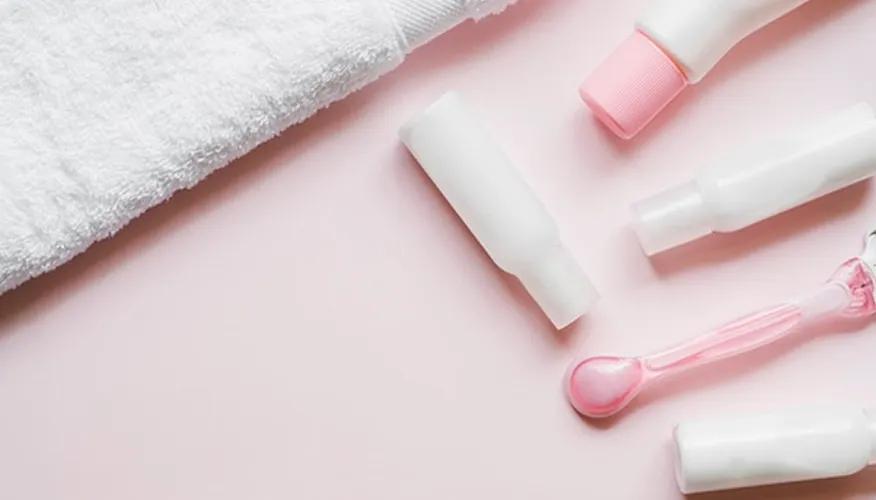
If you decide to incorporate an intimate wash into your routine, follow these simple steps for safe use:
1. Start with warm water
- Begin with lukewarm water, which is comfortable and effective for cleansing.
- Avoid extreme temperatures, as hot water can strip away natural moisture while cold water may not cleanse effectively.
2. Apply externally only
- Limit the use of intimate washes to the outer areas.
- The vagina is naturally self-cleaning, and using any product internally can disrupt this process and may increase the risk of infection.
3. Use your hands for application
- To minimize the risk of irritation, use your hands rather than a washcloth, which can hold bacteria.
- This also allows for a gentle application without scrubbing.
4. Rinse thoroughly
- Make sure to rinse away all traces of the product to avoid any leftover residue, which could cause irritation.
5. Pat dry with a soft towel
- After rinsing, use a clean, soft towel to pat the area dry.
- Avoid rubbing or using rough fabrics, which can irritate the skin.
Simple alternatives for maintaining freshness
In many cases, you may find that lifestyle habits and a healthy routine are enough to maintain comfort and freshness without using additional products.
Here are some natural ways to support intimate health:
- Wear breathable fabrics: Opt for cotton underwear and breathable clothing to reduce moisture buildup. This allows air circulation and prevents bacteria growth in warm, damp areas.
- Stay hydrated: Drinking plenty of water helps keep your body’s systems in balance, including vaginal health. Hydration supports natural cleansing, which helps maintain a balanced microbiome.
- Follow a balanced diet: Eating a diet rich in probiotics (like yogurt) and nutrients supports your body’s natural bacterial balance, which can play a role in intimate health.
- Practice regular hygiene: Wash the area with warm water daily, but avoid over-washing. Gentle, regular hygiene is generally enough to stay fresh and avoid any potential irritation from excessive cleansing.
Common myths about intimate washes
Intimate hygiene has been surrounded by myths, often leading to unnecessary worries or inappropriate product choices.
Here’s a look at a few myths:
- Myth 1- Intimate washes are necessary for cleanliness: Not true. The vagina is self-cleaning, and many women find that water alone is enough for daily hygiene.
- Myth 2- Using a wash regularly prevents infections: Frequent washing may actually disrupt the natural balance, sometimes increasing the likelihood of irritation or infections.
- Myth 3- Scented products keep things fresher: Scented products often contain chemicals that can cause irritation or allergies, leading to more discomfort than benefits.
By approaching intimate care thoughtfully, you can enjoy the benefits of feeling fresh without compromising your natural balance.
Conclusion
Caring for your intimate health doesn’t have to be complicated—it’s about understanding your body’s natural needs and supporting them with gentle, thoughtful choices.
Intimate washes and cleansers can be helpful tools when used safely and mindfully, but they’re not a necessity for everyone. What matters most is listening to your body, avoiding harsh products, and fostering an environment that respects your natural balance.
By treating this sensitive part of yourself with care, you’re not just practicing hygiene—you’re embracing self-respect and prioritizing your overall well-being. Remember, the simpler and more natural your approach, the healthier and more comfortable you’ll feel.
Meet our expert

Meet our expert
Dr. Pakanich Maria Petrivna graduated from Ukraine's Uzhhorod National Medical University, Faculty of Medicine, in 1999. She further pursued her post graduation studies at Lviv National Medical University between 1999-2000. She then spent 16 years (2000-2016) at the same university as the resident doctor neurologist. Since 2016,Dr. Pakanich Maria Petrivna has been associated as a medical representative with Mega We Care.



How was the experience with article?
We'd love to know!