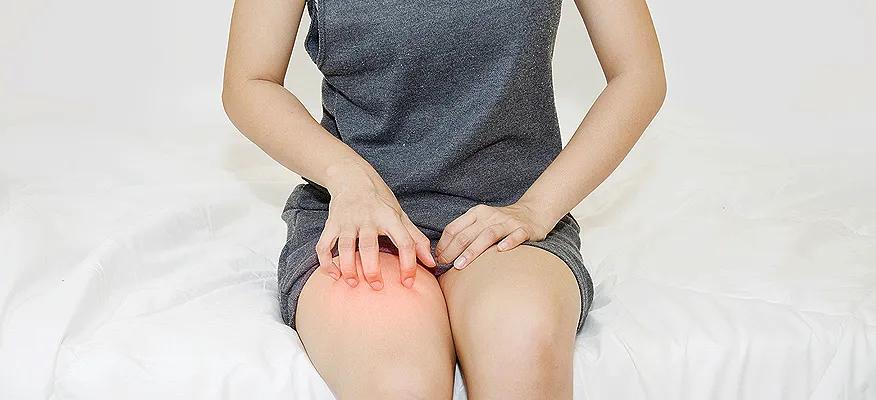
Sweat and odor in the genital area are completely natural but can sometimes cause discomfort and self-consciousness.
Managing sweat and odor in the genital area is a topic many women shy away from, but it’s a completely normal part of daily hygiene that deserves attention. Factors like activity level, clothing, and even stress influence sweat and odor levels, making it essential to find a routine that helps you feel fresh and comfortable throughout the day.
Managing sweat and odor in the genital area isn’t about feeling embarrassed—it’s about understanding your body and taking small steps to stay fresh, comfortable, and confident throughout the day.
Let’s dive into some simple yet effective tips to help you keep your intimate health in check while feeling your best.
Why sweating in the genital area is normal
Just like any other part of the body, the genital area has sweat glands that play a role in regulating temperature.
However, because this area has apocrine glands that release sweat rich in proteins and fats, it is more prone to body odor.
Combined with tight clothing or high temperatures, sweat and odor in this region can increase, making basic hygiene and self-care practices especially helpful.
Practical tips for managing sweat and odor

1. Opt for breathable fabrics
- Breathable, natural fabrics like cotton allow air to circulate, reducing trapped heat and sweat.
- Cotton underwear is an excellent choice for daily wear, especially in warmer months or during physical activities.
2. Maintain a regular hygiene routine
- Keeping the area clean with gentle cleansing is key.
- Use lukewarm water and a mild, fragrance-free cleanser to wash the area once a day or after intense activity.
- Avoid harsh soaps or excessive scrubbing, as these can disrupt the natural balance.
3. Stay dry with absorbent panty liners
- Using unscented panty liners designed to wick moisture away can help keep you feeling dry and fresh throughout the day.
- Just remember to change them regularly to maintain cleanliness and comfort.
4. Choose the right activewear
- If you are exercising or engaging in physical activities, opt for moisture-wicking fabrics.
- Synthetic materials like nylon and polyester blends designed for sports are excellent at pulling sweat away from the skin, helping reduce moisture and odor.
5. Avoid scented products
- While it may be tempting to use perfumes or scented sprays, these products can irritate the sensitive skin in this area and disrupt the natural bacterial balance.
- Stick to unscented hygiene products and focus on regular cleansing for freshness.
6. Hydrate and stay cool
- Drinking enough water helps regulate body temperature and reduces overall sweating.
- In hot or humid weather, wear loose, breathable clothing and take breaks in shaded or air-conditioned spaces to minimize sweat buildup.
7. Consider a Hair Management Routine
- Some people find that trimming or carefully grooming hair in the genital area can help reduce sweat accumulation and odor.
- However, it is important to use clean, safe grooming tools and avoid harsh hair-removal practices that may irritate the skin.
8. Monitor your diet
- Certain foods, such as spicy dishes, garlic, and onions, can increase body odor.
- Staying mindful of these triggers and balancing them with odor-neutralizing foods like fruits and vegetables may help keep odor in check.
When to see a doctor

Sometimes, excessive odor or unusual discharge could indicate an infection or imbalance.
If you experience persistent odor, itching, or discomfort that doesn’t improve with hygiene practices, it may be worth consulting a healthcare provider to rule out conditions like bacterial vaginosis or yeast infections.
Managing sweat and odor in the genital area does not have to be complicated. With the right fabrics, gentle hygiene, and healthy habits, you can feel comfortable and fresh all day.
If issues persist or cause discomfort, seeking professional advice ensures you are doing what is best for your body’s unique needs.
Conclusion
Managing sweat and odor in the genital area is an essential part of maintaining good intimate health, and it doesn’t have to be complicated.
By incorporating simple hygiene habits and choosing the right products, you can confidently manage discomfort and stay fresh throughout the day.
Remember, managing sweat and odor in the genital area is not just about physical care; it’s about nurturing your intimate health and feeling empowered in your own skin. Take control of your routine, and your body will thank you for it.
Meet our expert

Meet our expert
Dr. Pakanich Maria Petrivna graduated from Ukraine's Uzhhorod National Medical University, Faculty of Medicine, in 1999. She further pursued her post graduation studies at Lviv National Medical University between 1999-2000. She then spent 16 years (2000-2016) at the same university as the resident doctor neurologist. Since 2016,Dr. Pakanich Maria Petrivna has been associated as a medical representative with Mega We Care.

How was the experience with article?
We'd love to know!