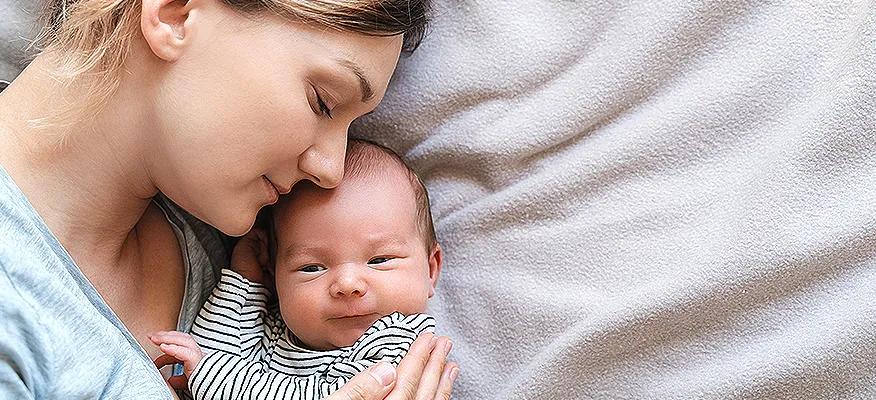
Bringing a baby into the world is a journey like no other—a mix of overwhelming love, new responsibilities, and changes that touch every part of your life. Amid all the sleepless nights and tender moments, your body quietly tells its own story of healing and recovery.
Postpartum is a time of immense physical and emotional adjustment and taking care of yourself is just as important as caring for your little one.
After giving birth, your body goes through many changes, and postpartum intimate hygiene becomes an essential part of your recovery. It’s not just about keeping clean—it’s about nurturing your body during this healing period.
As you focus on caring for your newborn, it's easy to overlook your own well-being, but prioritizing your intimate hygiene is crucial for your comfort, health, and confidence.
From managing physical changes to ensuring proper care, taking the time to learn the best practices for postpartum intimate hygiene can help you feel more balanced and supported as you transition into motherhood.
What changes to expect post partum?

The postpartum period, or the ‘fourth trimester’, can vary widely among women, but there are some common changes.
- Many experience vaginal bleeding (lochia) as the uterus sheds tissue from pregnancy, which may last up to six weeks.
- Hormonal shifts may cause dryness and irritation, especially if breastfeeding, which reduces estrogen levels.
- Additionally, stitches from episiotomies or tears can make hygiene even more crucial.
Essential postpartum intimate hygiene tips
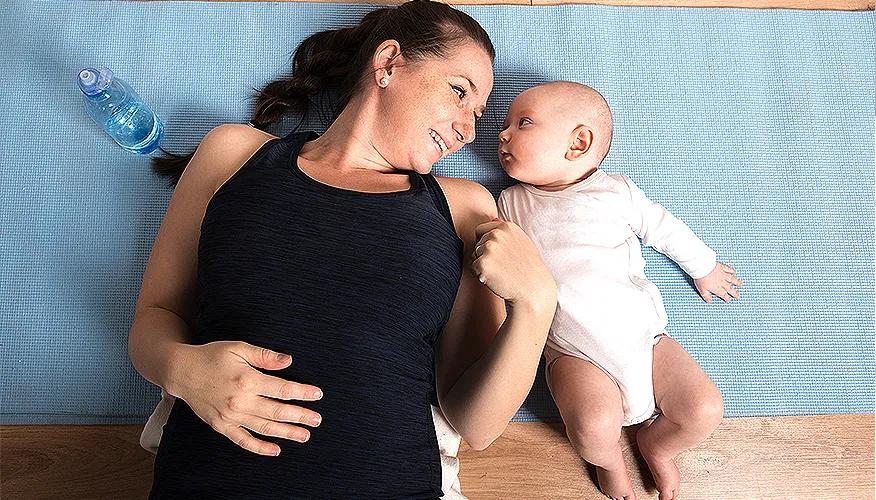
1. Use gentle cleansing techniques
- After giving birth, your body is sensitive, and harsh cleansing can lead to irritation.
- Avoid soaps with fragrances or harsh chemicals, which can disrupt the natural pH and increase discomfort.
- Stick to lukewarm water or mild, unscented cleansers designed for sensitive areas.
2. Change pads regularly
- During postpartum bleeding, sanitary pads are often necessary, as tampons are generally discouraged until a healthcare provider gives clearance.
- Changing pads frequently, every 3-4 hours, prevents bacteria buildup, odor, and discomfort.
3. Take sitz baths for soothing relief
- Sitz baths or warm water baths for the lower body, can help reduce discomfort and soothe sore areas.
- A simple 10-15 minute sitz bath can ease swelling, cleanse gently, and promote healing, especially for those who experienced tears or an episiotomy.
4. Opt for loose, breathable clothing
- Avoid tight-fitting clothes or synthetic fabrics, which can increase moisture and warmth, fostering bacteria.
- Breathable cotton underwear and loose-fitting bottoms allow airflow, reducing irritation and promoting healing.
5. Stay hydrated and eat a balanced diet
- Postpartum recovery includes internal healing, and hydration is essential for tissue health.
- A nutrient-rich diet with fiber, antioxidants, and vitamins helps maintain body functions, supports healing, and promotes comfort.
6. Avoid intimate products with harsh ingredients
- Avoid using any douches, scented wipes, or sprays in the intimate area during postpartum.
- These can disrupt the delicate microbiome and pH, leading to discomfort or infections.
- Allow your body’s natural healing process without additional chemicals or fragrances.
7. Practice pelvic floor exercises
- Gentle pelvic floor exercises, like Kegels, can gradually rebuild strength in the pelvic area, supporting urinary control and enhancing circulation.
- Start slowly, especially if you have had stitches, and consult with a healthcare provider for safe exercise guidance.
Consult your healthcare provider for concerns
It is essential to keep in touch with your healthcare provider during the postpartum period.
If you notice unusual symptoms like excessive bleeding, severe pain, foul odor, or signs of infection, seeking medical advice promptly is important for your health.

Conclusion
Postpartum recovery is a deeply personal journey, and taking care of your intimate hygiene is a vital part of honoring your body during this time.
Your body has been through an incredible transformation and giving it the care and attention it deserves helps support healing, prevent discomfort, and foster confidence.
Remember, postpartum is not just about adapting to life with your newborn but also about reconnecting with yourself.
Taking care of your body postpartum allows for a smoother transition back to comfort and health. Simple habits like gentle cleansing, hydration, and a healthy diet can make a big difference in your recovery journey.
Remember, self-care is essential for new moms, so prioritize your own well-being along with your newborn’s.
Always listen to your body, seek support when you need it, and remind yourself that healing takes time. You’re doing an amazing job.
Meet our expert

Meet our expert
Dr. Dovbakh Olga Dmitrivna is a Clinical Psychologist based out of Ukraine. She graduated from the Bukovinian State Medical University, Ukraine back in 2009. Driven by a thirst of knowledge and with a keen interest in matters of the mind, Dr. Dovbakh Olga Dmitrivna went back to University in 2021 to specialise in psychiatry.
How was the experience with article?
We'd love to know!